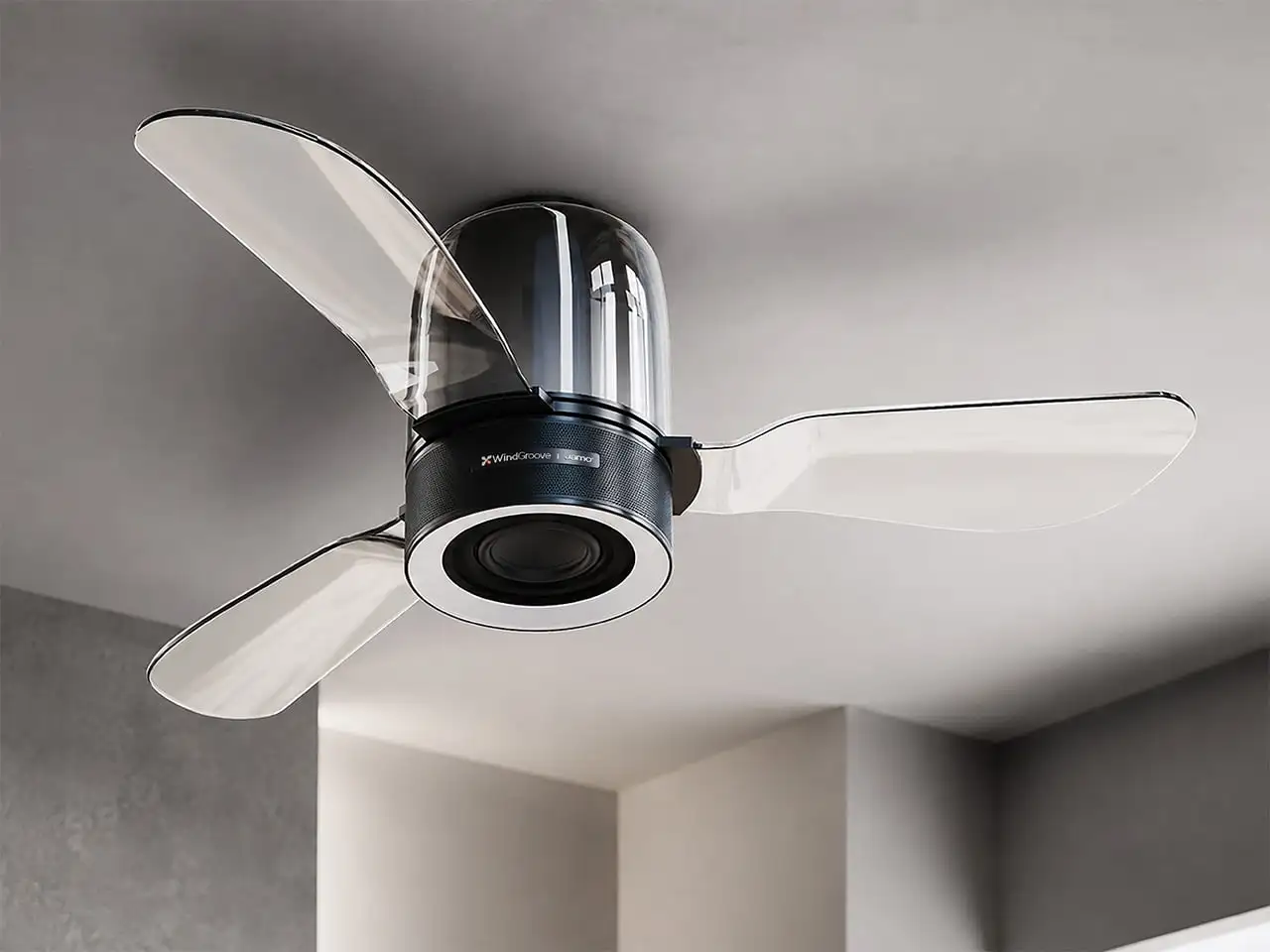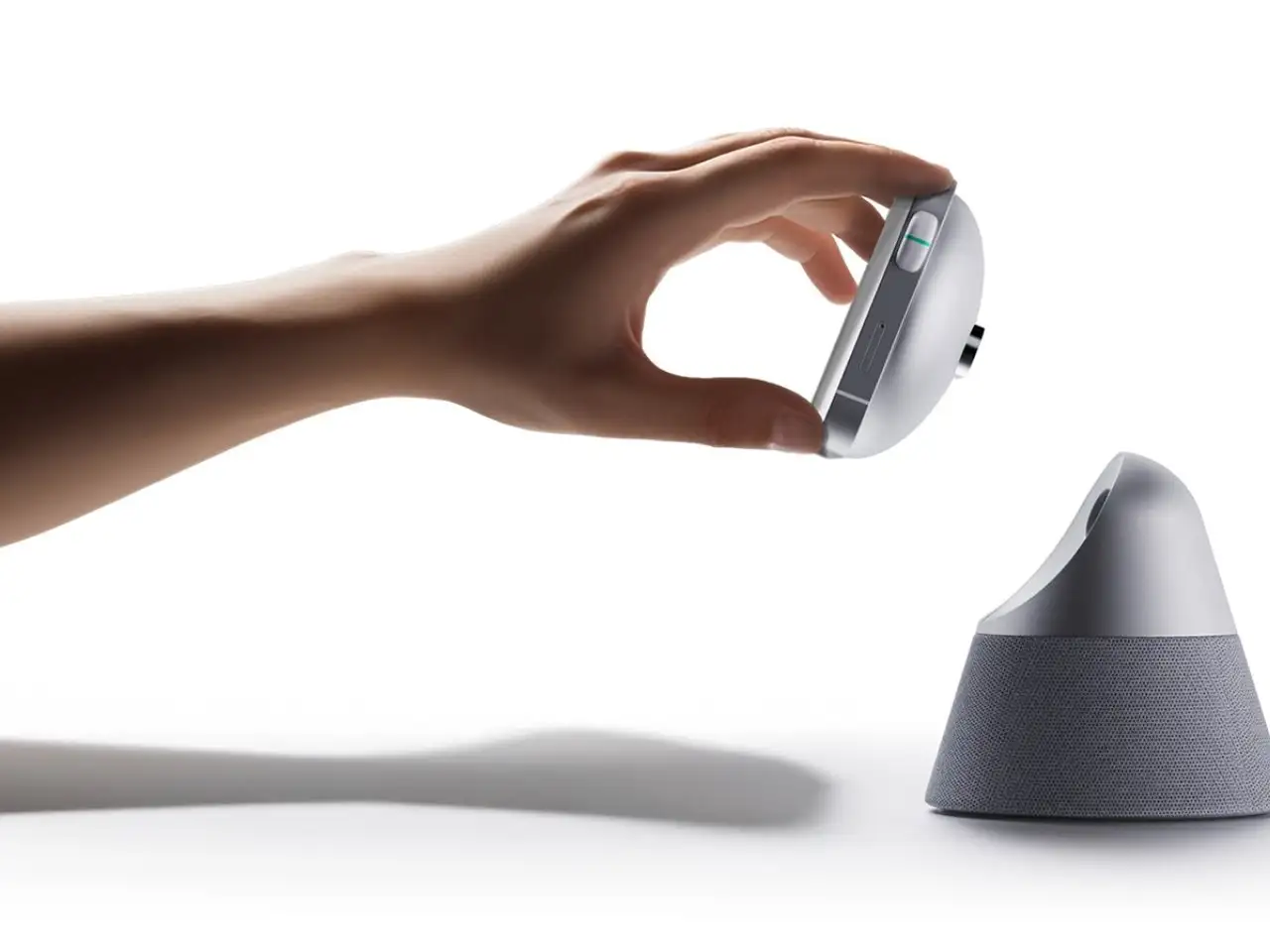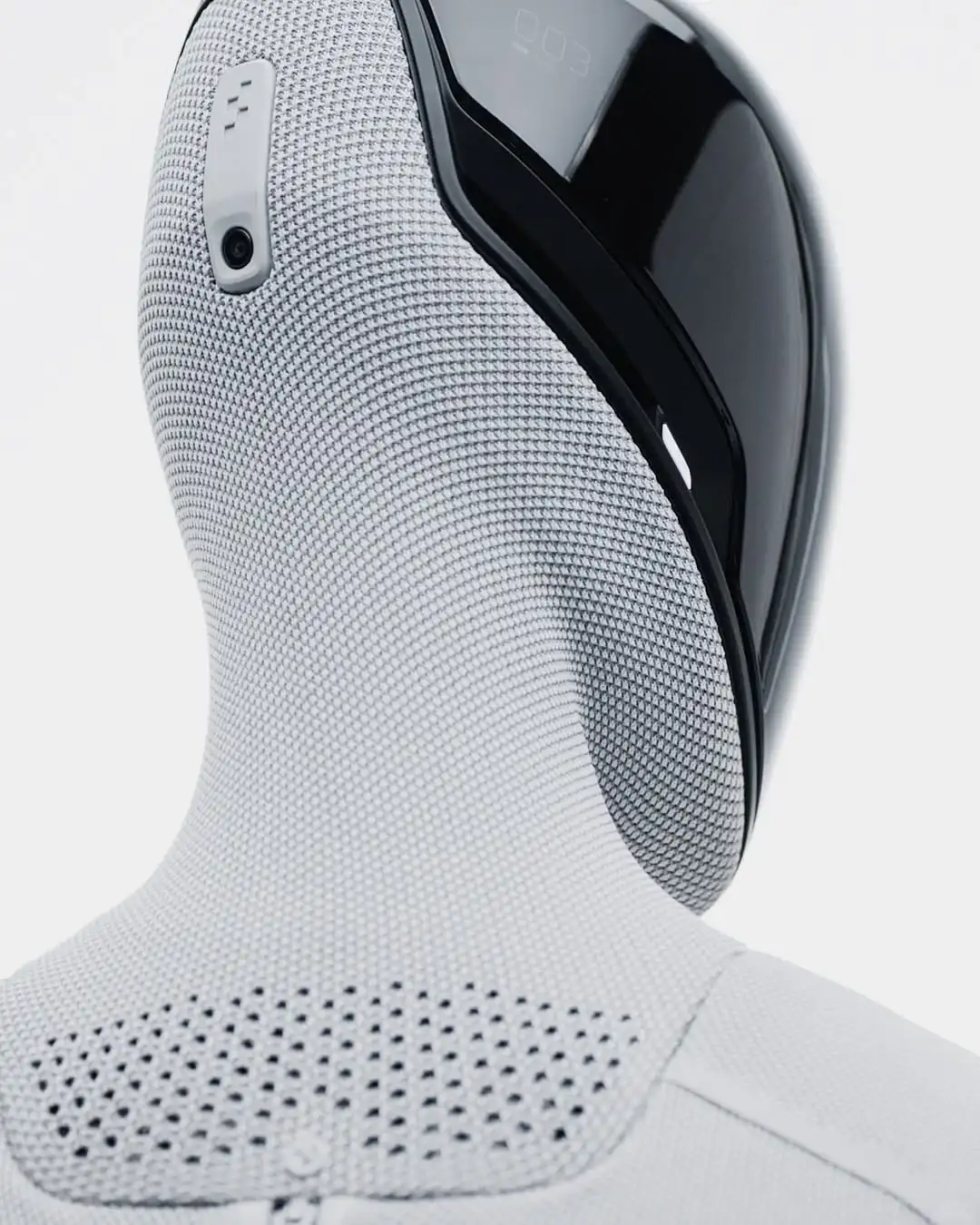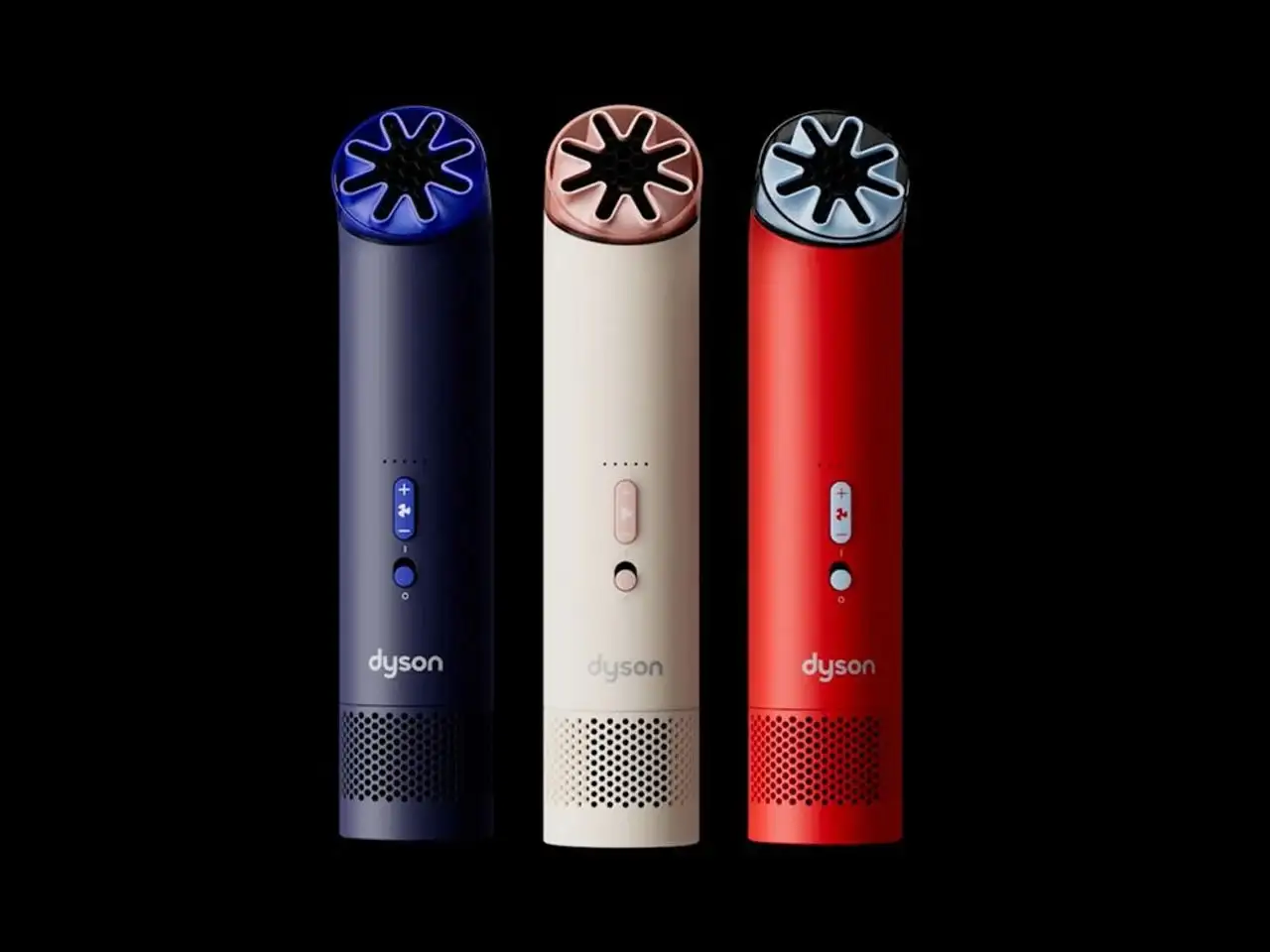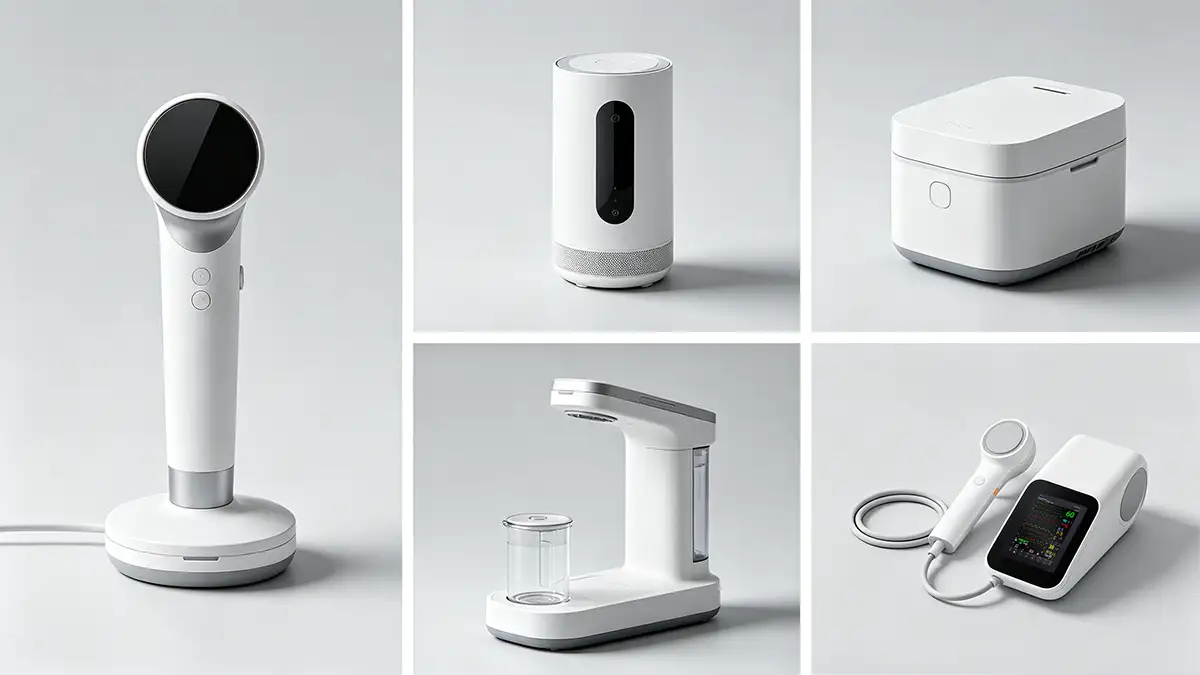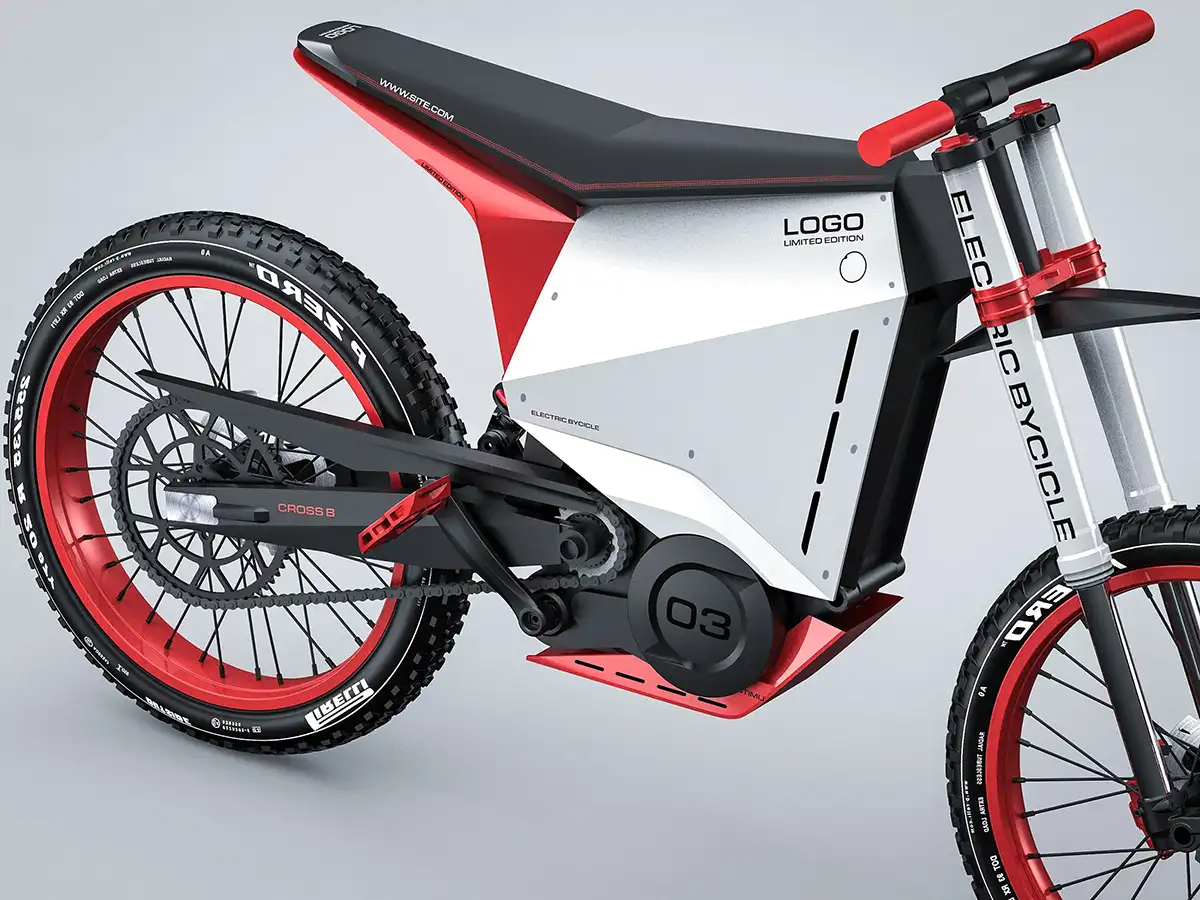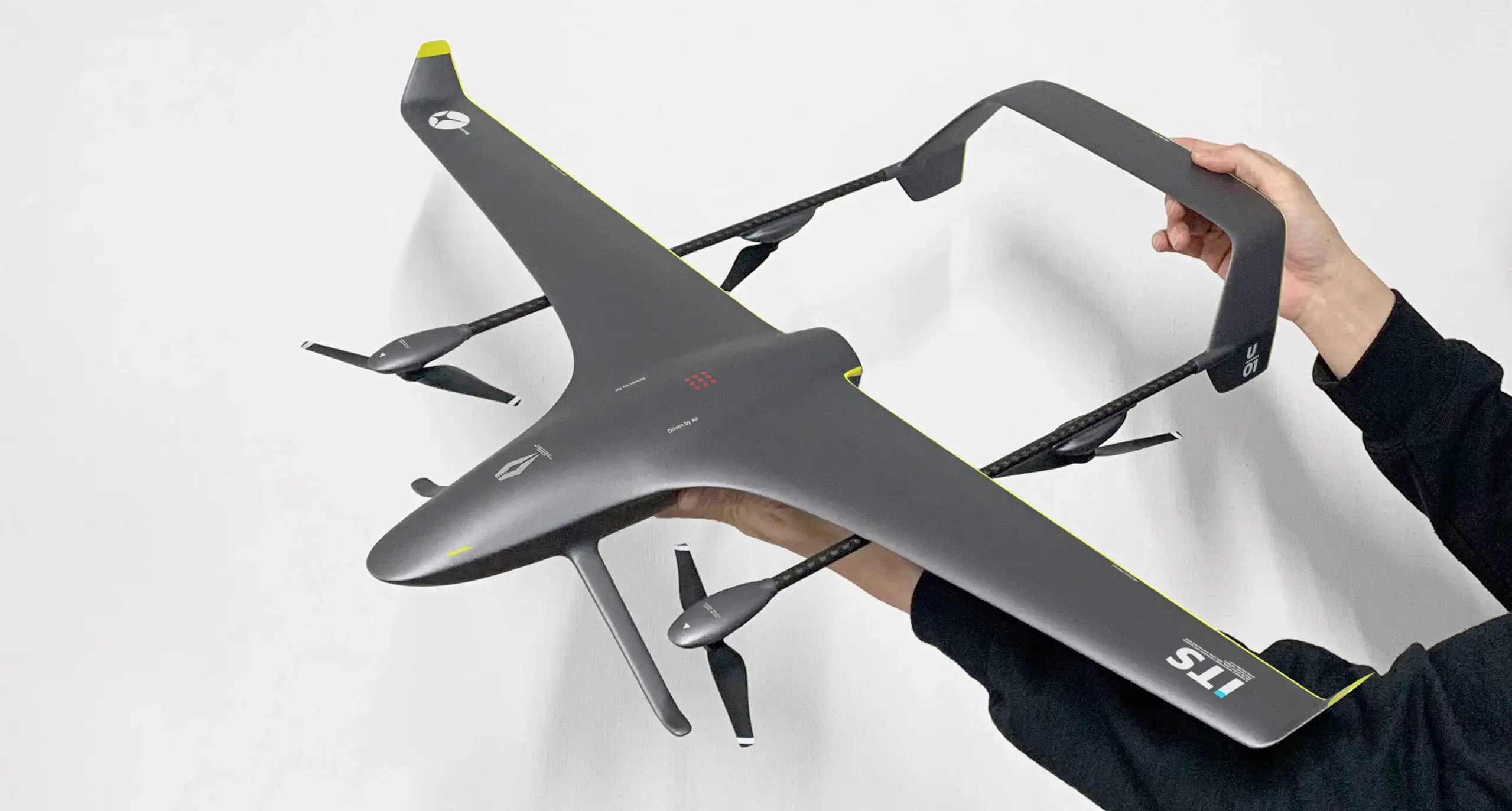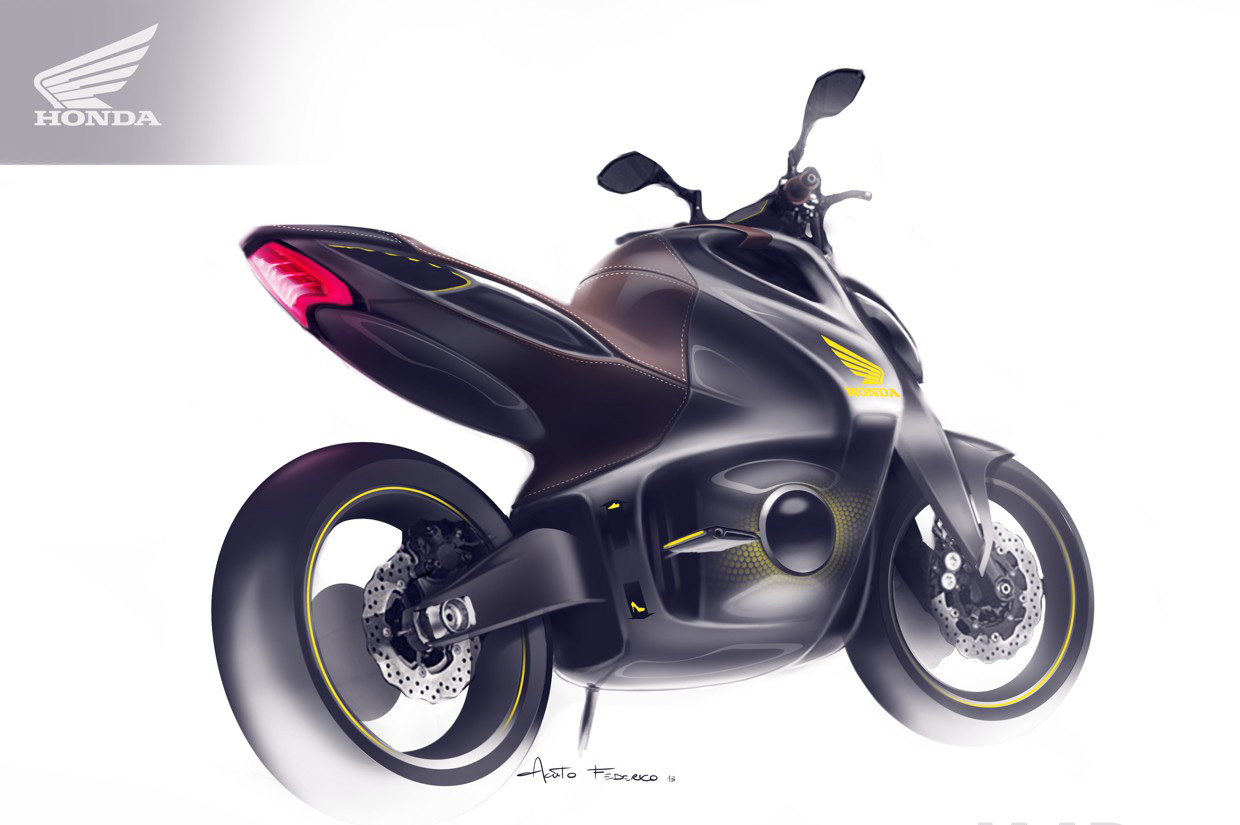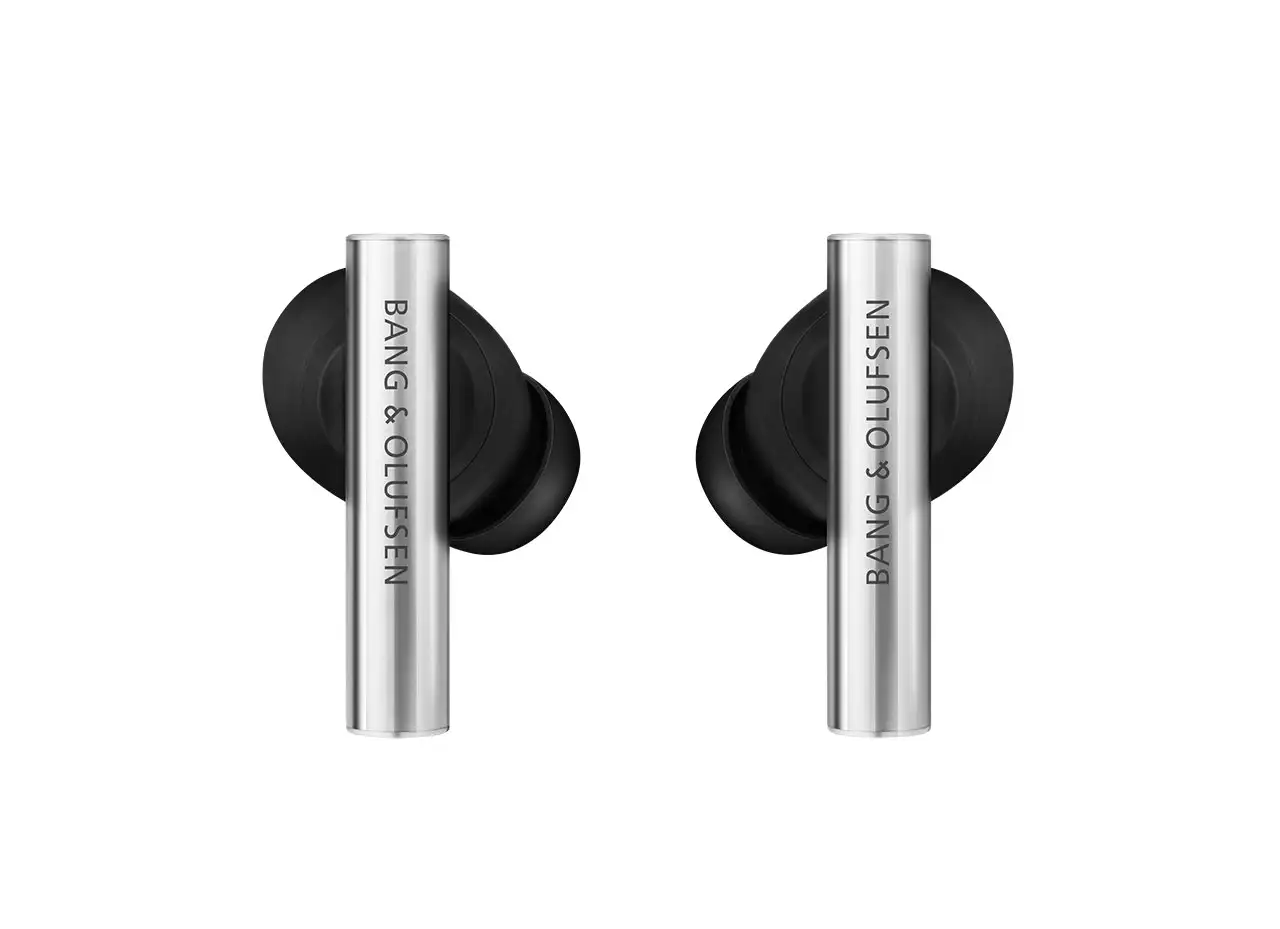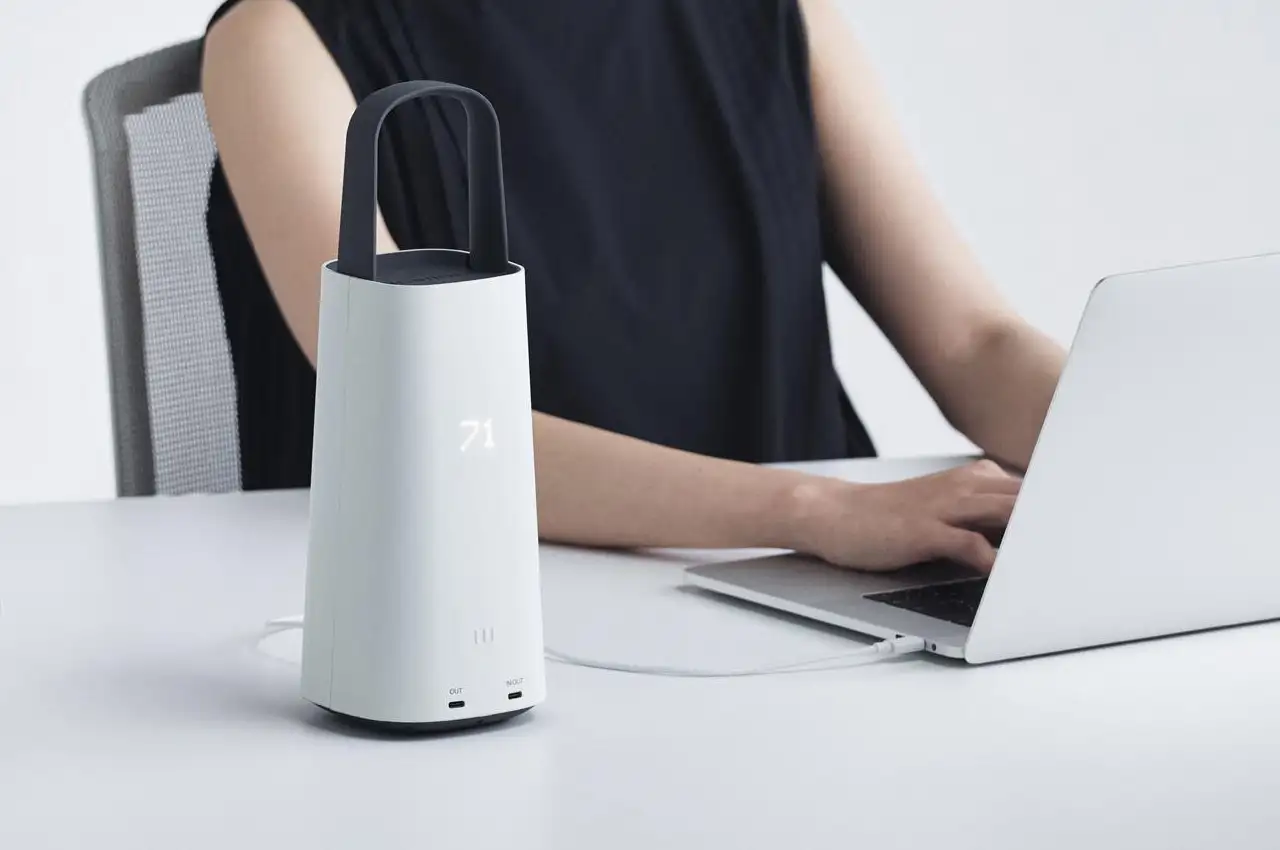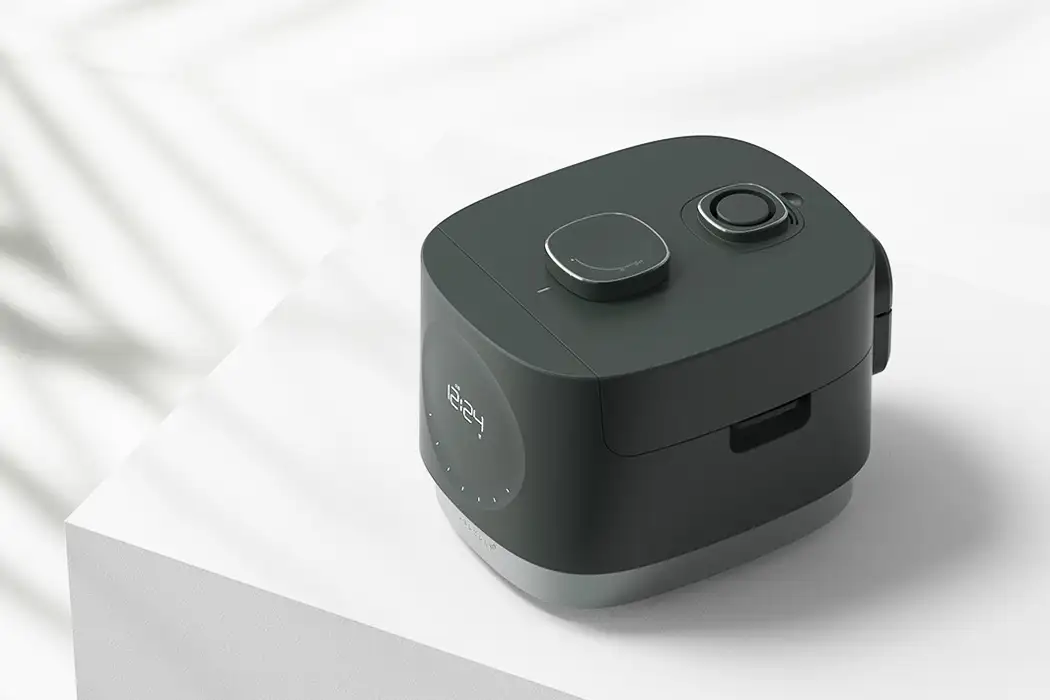










九号创新:在我们生活的这个时代,工业设计早已不是一个孤立的概念,它就像一张紧密交织的大网,渗透到各行各业之中,发挥着不可估量的价值。就像一股无形的力量工业设计多领域渗透到各行各业之中,通过提升产品品质、打造个性化体验、改善服务环境等方式,为各行各业创造了巨大的价值,成为推动各行业发展不可或缺的重要因素。
@NINEIDEA九号创新 www.nineidea.com
一、制造业:品质与竞争力的提升器
对于制造业而言,工业设计是提升产品品质和竞争力的关键。以汽车制造业为例,一款汽车从外观的流线型设计,到内饰的布局与材质选择,工业设计都起着决定性作用。流畅动感的车身线条不仅能降低风阻,减少能耗,还能吸引消费者的目光;而舒适且人性化的内饰设计,如符合人体工程学的座椅、便捷的操控台布局,能极大提升驾驶者的体验。这种从功能性到美学性的全面设计,使汽车在市场上更具竞争力。同样,在电子产品制造领域,工业设计也至关重要。手机厂商通过对手机外观、尺寸、材质的精心设计,结合便捷的交互界面,让产品在满足基本通讯功能的同时,成为时尚与科技的象征。苹果公司的产品便是典型例子,简洁优雅的设计使其在全球电子产品市场中占据领先地位,工业设计为制造业赋予了产品独特的魅力与价值。
二、家居行业:打造个性化生活空间
在家居行业,工业设计致力于打造个性化、舒适的生活空间。它不仅仅是对家具外观的美化,更是对空间利用、功能实现和生活方式的深入思考。如今,消费者对家居产品的需求不再局限于实用性,更追求独特的设计和个性化的表达。工业设计师们根据不同的空间特点和用户需求,设计出各种风格迥异、功能多样的家具。例如,一些小户型家居设计通过巧妙的折叠、组合方式,使家具在有限的空间内实现多种功能,既满足了收纳需求,又不显得拥挤。同时,设计师们还注重家居产品与整体空间风格的协调统一,从色彩搭配到材质选择,都精心考量,为消费者营造出温馨、舒适且独具个性的生活环境。工业设计在家居行业中,成为了连接用户生活需求与理想居住空间的桥梁。
三、医疗行业:改善医疗体验与效率
在医疗行业,工业设计的价值同样不可忽视。它主要体现在医疗设备的设计和医疗环境的规划上。对于医疗设备,工业设计致力于提高其易用性、安全性和舒适性。例如,传统的注射器在使用过程中可能会给患者带来疼痛和恐惧,而经过工业设计改良后的注射器,采用更符合人体工程学的握把设计,使医护人员操作更轻松,同时通过优化针头的形状和材质,减少患者的疼痛感。在医疗环境方面,工业设计注重营造舒适、温馨的氛围,缓解患者的紧张情绪。医院的病房设计不再是单调的白色墙壁和冰冷的金属设备,而是采用柔和的色彩、自然的光线和人性化的布局,让患者在接受治疗的过程中感受到更多的关怀和舒适。工业设计为医疗行业带来了从设备到环境的全方位改善,提高了医疗体验和效率。
四、服务业:提升服务体验与品牌形象
服务业虽然不直接生产实物产品,但工业设计在其中同样有着重要的价值。以酒店业为例,从酒店的整体建筑外观到室内空间的布局与装饰,工业设计都起着关键作用。独特的建筑造型和富有特色的室内设计,能吸引更多的顾客,提升酒店的品牌形象。同时,酒店内的各种设施,如客房的家具、卫浴用品等,其设计的合理性和舒适性也直接影响着顾客的入住体验。在餐饮服务业,餐厅的餐具、桌椅设计,甚至菜单的排版等,都属于工业设计的范畴。精美的餐具和舒适的桌椅能让顾客在享受美食的同时,获得愉悦的用餐体验;而设计独特的菜单则能更好地展示菜品特色,吸引顾客点餐。工业设计在服务业中,通过提升服务体验,塑造了独特的品牌形象,增强了企业的竞争力。
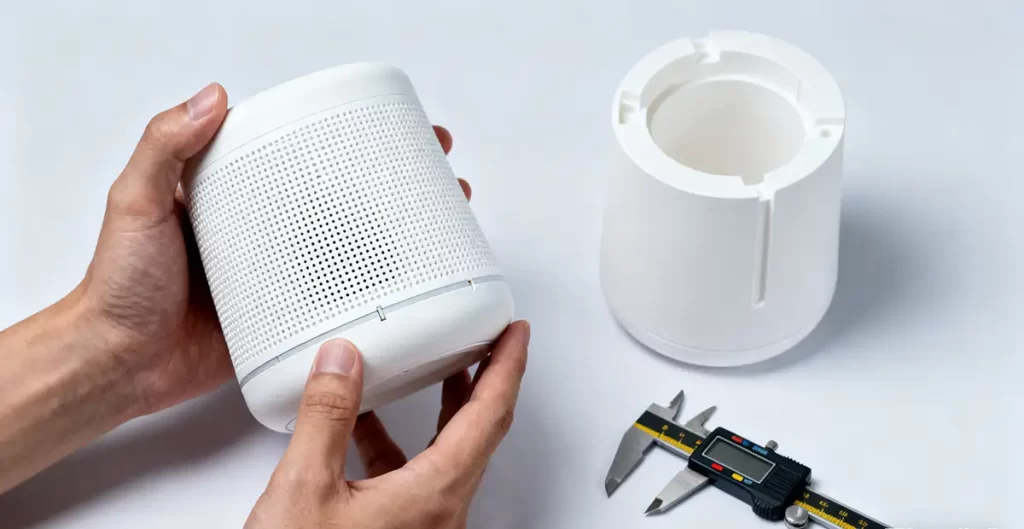
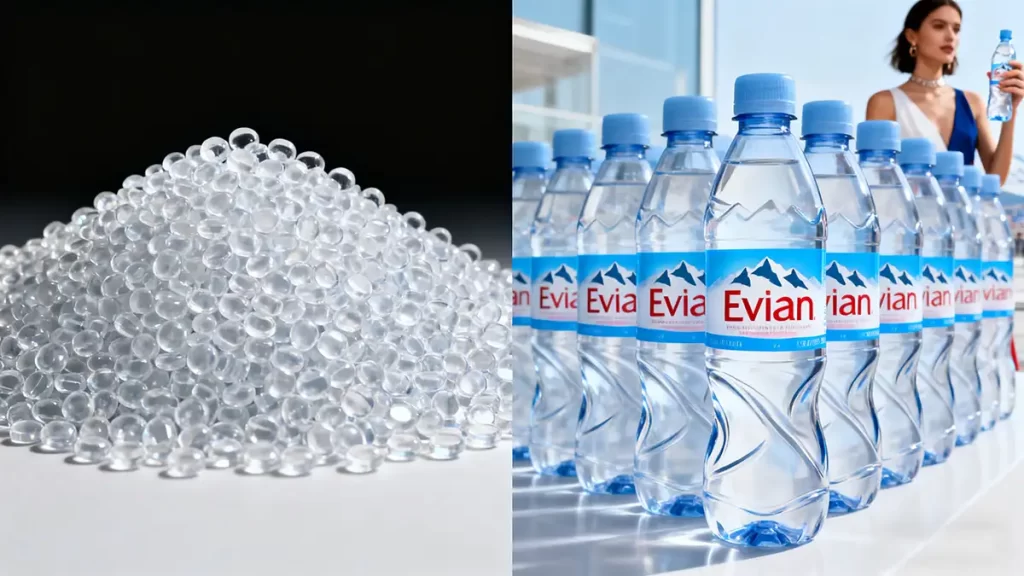




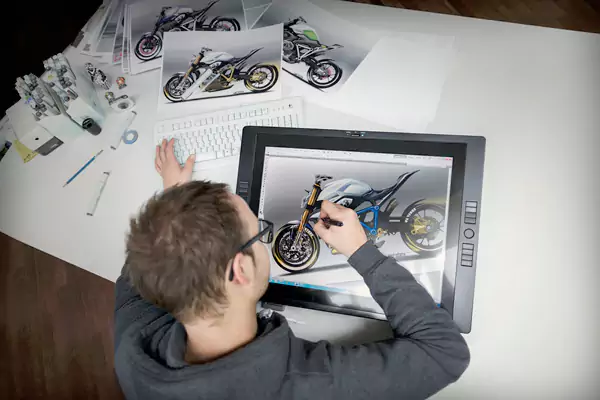
The value chain connecting multiple fields of industrial design to various industries
It holds immeasurable value. Just like an intangible force, industrial design permeates into various fields, creating enormous value for various industries through improving product quality, creating personalized experiences, and improving service environments, becoming an indispensable factor in promoting the development of various industries.
1、 Manufacturing industry: a booster of quality and competitiveness
For the manufacturing industry, industrial design is the key to improving product quality and competitiveness. Taking the automobile manufacturing industry as an example, industrial design plays a decisive role in the streamlined design of a car’s exterior, as well as the layout and material selection of its interior. The smooth and dynamic body lines not only reduce wind resistance and energy consumption, but also attract consumers’ attention; Comfortable and user-friendly interior design, such as ergonomic seats and convenient console layout, can greatly enhance the driver’s experience.
This comprehensive design from functionality to aesthetics makes cars more competitive in the market. Similarly, in the field of electronic product manufacturing, industrial design is also crucial. Mobile phone manufacturers carefully design the appearance, size, and material of their phones, combined with convenient interactive interfaces, to make their products a symbol of fashion and technology while meeting basic communication functions. Apple’s products are a typical example, with their simple and elegant design giving them a leading position in the global electronics market. Industrial design endows manufacturing with unique charm and value.
2、 Home Industry: Creating Personalized Living Spaces
In the home industry, industrial design is committed to creating personalized and comfortable living spaces. It is not only about beautifying the appearance of furniture, but also a deep reflection on space utilization, functional implementation, and lifestyle. Nowadays, consumers’ demand for home products is no longer limited to practicality, but also pursues unique design and personalized expression. Industrial designers design furniture with diverse styles and functions based on different spatial characteristics and user needs.
For example, some small-sized home designs use clever folding and combination methods to enable furniture to achieve multiple functions in limited space, meeting storage needs without appearing crowded. At the same time, designers also pay attention to the coordination and unity between home products and the overall spatial style, carefully considering color matching and material selection, creating a warm, comfortable, and unique living environment for consumers. Industrial design has become a bridge connecting users’ living needs and ideal living spaces in the home industry.
3、 Medical Industry: Improving Medical Experience and Efficiency
In the medical industry, the value of industrial design cannot be ignored. It is mainly reflected in the design of medical equipment and the planning of medical environments. For medical equipment, industrial design is committed to improving its usability, safety, and comfort. For example, traditional syringes may cause pain and fear to patients during use, while industrial designed improved syringes adopt a more ergonomic grip design, making it easier for medical staff to operate.
At the same time, by optimizing the shape and material of the needle, patients’ pain is reduced. In terms of medical environment, industrial design focuses on creating a comfortable and warm atmosphere to alleviate patients’ tension. The design of hospital wards is no longer monotonous with white walls and cold metal equipment, but uses soft colors, natural lighting, and humanized layout, allowing patients to feel more care and comfort during the treatment process. Industrial design has brought comprehensive improvements to the medical industry, from equipment to the environment, enhancing the medical experience and efficiency.
4、 Service Industry: Enhancing Service Experience and Brand Image
Although the service industry does not directly produce physical products, industrial design also has important value in it. Taking the hotel industry as an example, industrial design plays a crucial role in the overall architectural appearance of hotels, as well as the layout and decoration of indoor spaces. The unique architectural style and distinctive interior design can attract more customers and enhance the hotel’s brand image. At the same time, the rationality and comfort of various facilities in the hotel, such as room furniture and bathroom amenities, directly affect the guest’s stay experience.
In the catering service industry, the design of tableware, tables and chairs, and even the layout of menus in restaurants all belong to the category of industrial design. Exquisite tableware and comfortable tables and chairs can provide customers with a pleasant dining experience while enjoying delicious food; A uniquely designed menu can better showcase the unique features of the dishes and attract customers to place orders. Industrial design in the service industry enhances the service experience, shapes a unique brand image, and strengthens the competitiveness of enterprises.