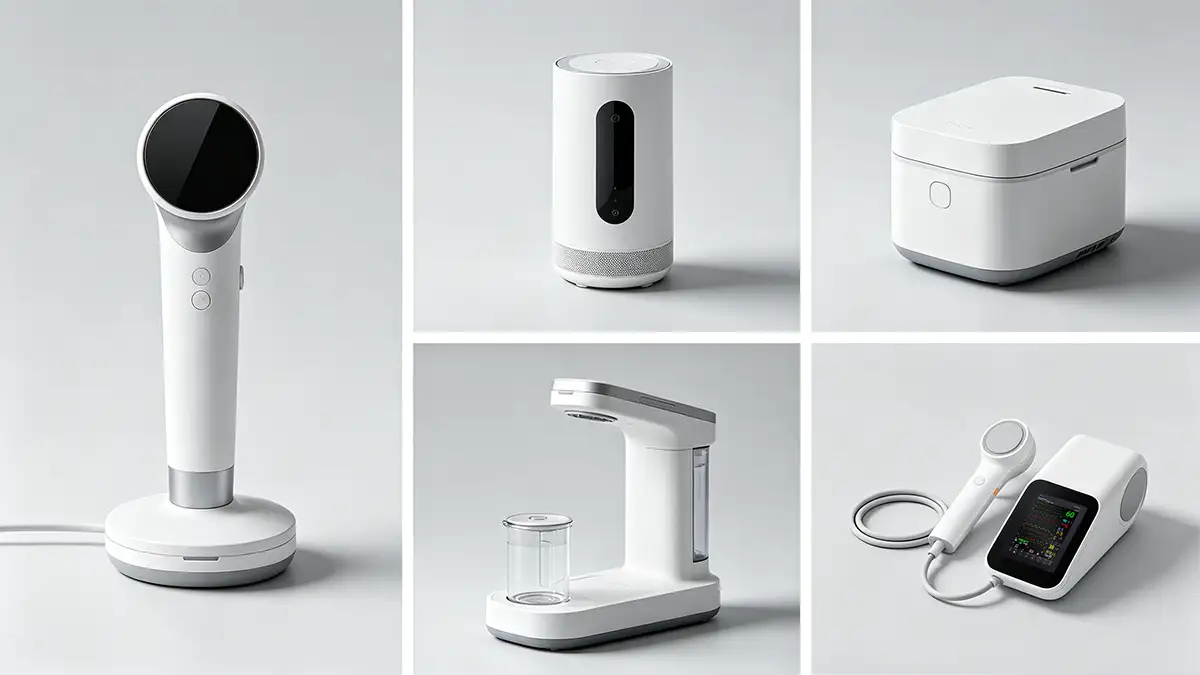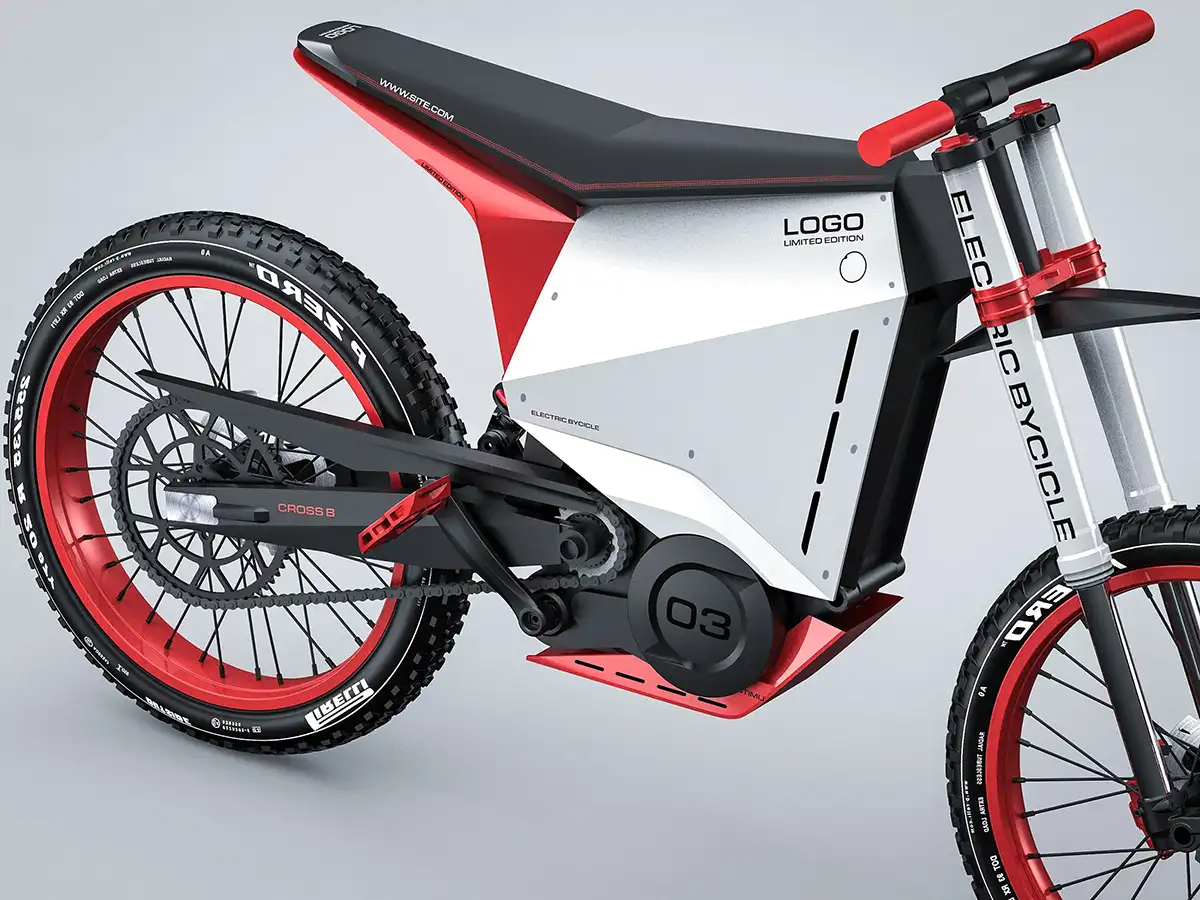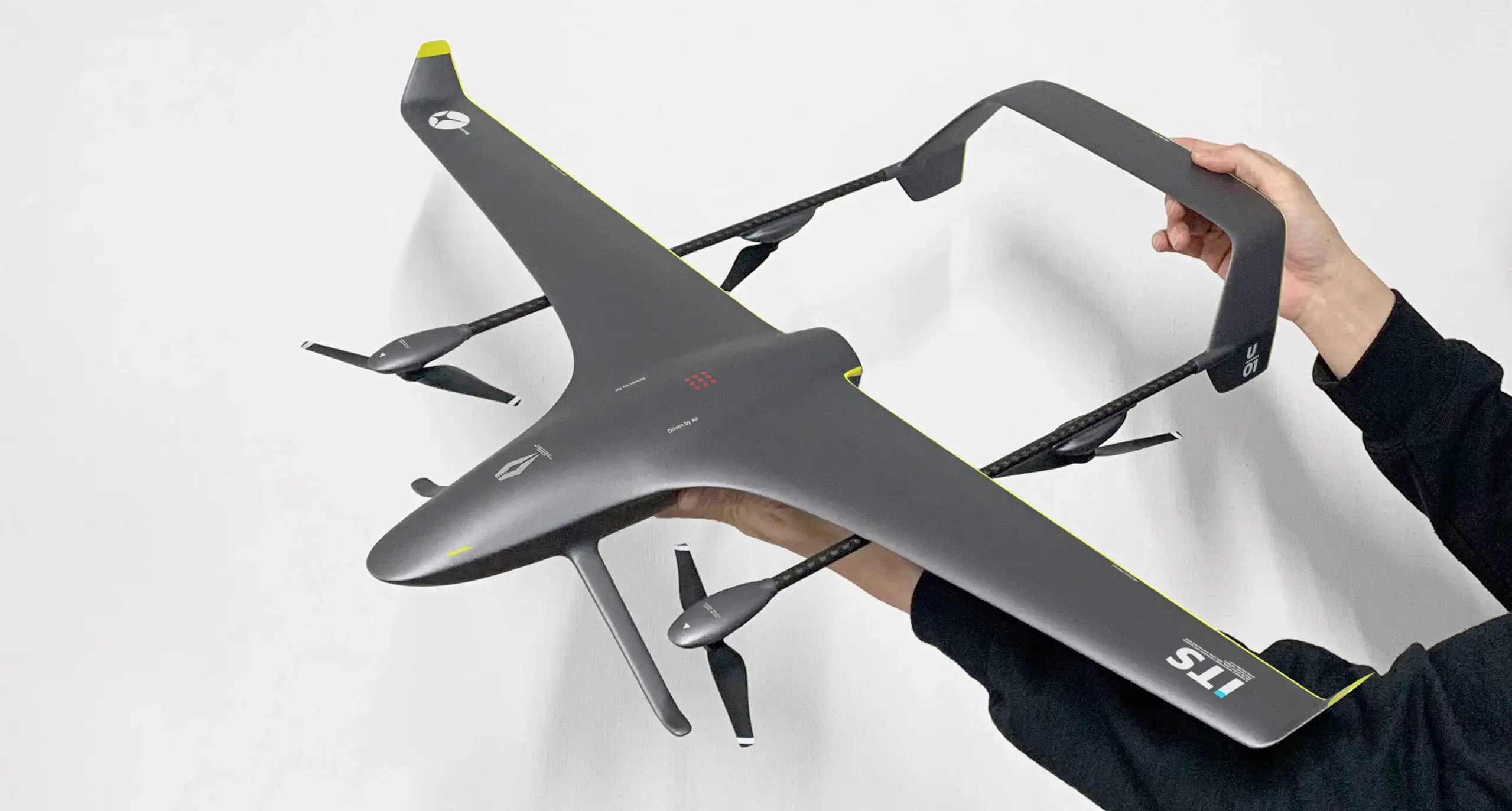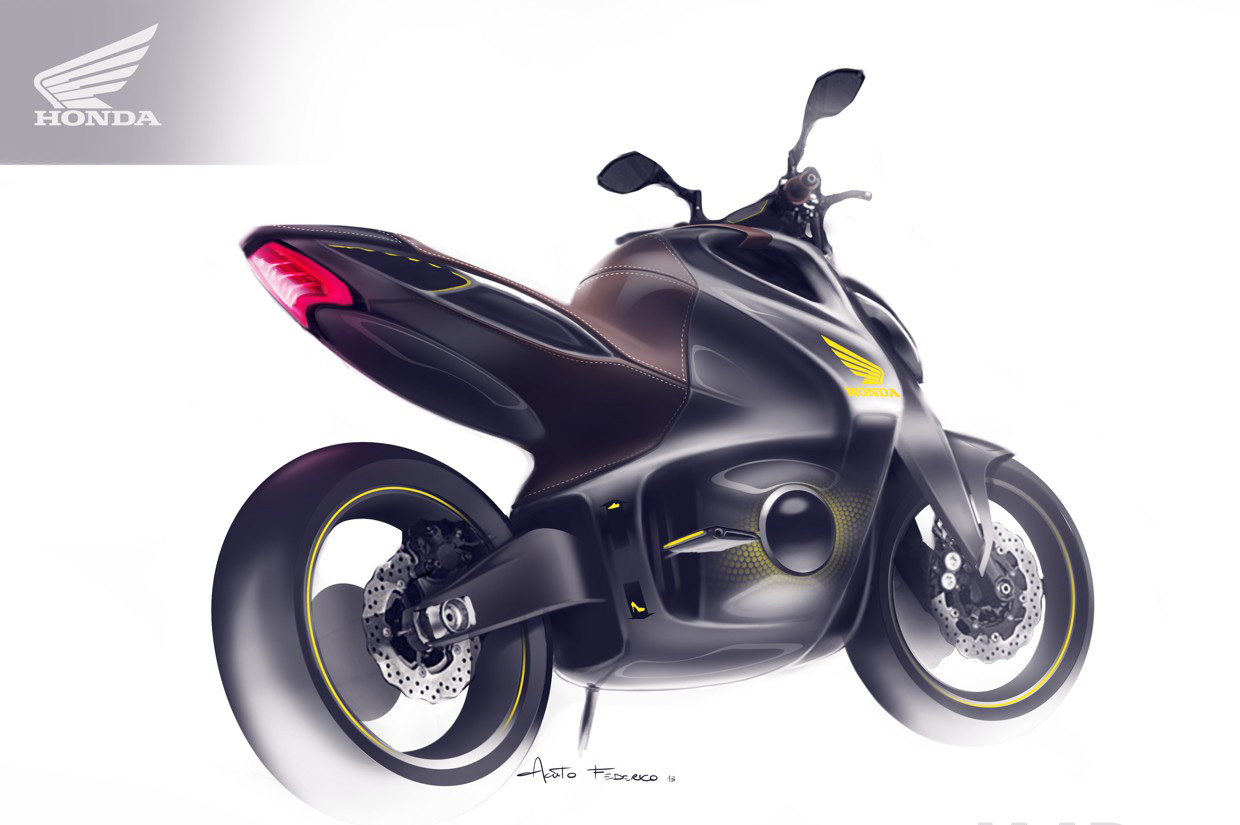










九号创新:马上要过春节了,产业复苏的暖意渐浓,深圳工业设计行业的企业们正迎来新一年的布局窗口期。依托粤港澳大湾区完备的产业集群优势,叠加 AI 技术革新、绿色转型与消费升级的三重机遇,企业亟需找准发力点、凝聚发展合力。这份实操参考聚焦数字化赋能、生态化协同、创新化突破三大核心方向,串联战略校准、资源整合、技术攻坚与人才培育关键环节,为行业内企业提供可落地的行动思路,助力深圳工业设计企业在智能经济与绿色经济赛道上打造差异化优势,共同夯实 “设计之都” 的产业根基。
@NINEIDEA九号创新 www.nineidea.com
一、战略校准:锚定产业升级主线
节后首要任务是做好年度复盘与方向校准,立足 “设计 + 技术 + 生态” 新赛道,精准对接深圳 “20+8” 产业集群的核心需求。可借助行业公开数据或第三方调研报告,梳理智能硬件、医疗健康、绿色制造等领域的市场空白与技术短板,结合 AI 设计大模型的迭代趋势,制定企业自身的细分行业创新清单。同时,主动联动前海、河套等国家平台的资源,将区域协同纳入企业发展规划,逐步搭建 “研发设计 – 生产制造 – 品牌输出” 的全链条数字化服务模式。
二、生态协同:构建多元合作网络
跨区域协同可向纵深推进,不妨尝试 “设计研发在深圳、生产制造联动湾区” 的合作模式,重点对接潮汕传统制造业的转型升级需求,建立企业级常态化供需对接与数据共享渠道,实现互利共赢。国际交流层面,建议积极参与米兰设计周、德国红点奖等顶级展会与赛事,主动对接国际设计大师工作室的合作机会,推动自身设计标准与国际通用标准接轨。此外,可依托人工智能设计 “五个一” 工程载体,接入全市智能设计公共服务平台,共享材料数据库、AI 辅助建模工具等核心资源,降低技术应用门槛。
三、创新攻坚:聚焦三大突破方向
- AI 设计深度应用:可组建内部技术小组或联合行业伙伴搭建协作机制,优化产品设计流程,推广 AI 工具在创意生成、3D 建模、方案迭代等环节的应用,力争实现设计效率提升 30% 以上,重点攻关智能终端、AR/VR 设备等前沿产品的交互设计创新;
- 绿色设计转型:建议设立低碳设计专项工作组,普及生物基材料、3D 打印减材工艺的规模化应用,搭建产品全生命周期碳足迹追溯数字化体系,积极申报市级绿色设计示范项目,力争年内培育 1-2 个企业标杆案例;
- 跨界融合创新:不妨探索 “时尚 + 科技”“文化 + 数字创意” 等跨界路径,推动非遗技艺与现代美学融合的文创产品研发,布局虚拟时尚、智能穿戴等新业态,着力培育 1-2 个具有市场影响力的原创设计 IP。
四、人才赋能:筑牢企业发展核心支撑
可启动企业精准引才计划,主动对接国际设计人才数据库与国内顶尖高校相关专业,搭建内部人才供需对接渠道,同时积极申请市级人才专项补贴,用好政策红利。内部培育方面,建议与深圳职业技术大学、南方科技大学等院校共建企业实训基地,开展 “AI + 工业设计” 专项培训,力争覆盖企业 80% 以上从业人员,提升团队数字化应用与跨界创新能力。此外,可建立跨部门或跨企业协作机制,通过联合项目、创意工作坊等形式,促进设计人才交流互动,拓宽创新视野。
五、落地保障:健全企业闭环执行体系
制定企业年度目标分解表,将 AI 设计工具普及率、绿色产品设计占比、跨区域合作项目数、设计成果转化率等纳入核心考核指标,实行月度复盘、季度调整,根据市场变化动态优化发展路径。积极申请市级工业设计专项扶持资金,集中资源投入技术研发与数字化平台建设。同时,优化客户服务流程,建立 “需求调研 – 方案定制 – 跟踪迭代” 全周期服务机制,将客户满意度纳入团队绩效考核,提升设计成果转化实效,助力企业在深圳工业设计行业的良性竞争中稳步前行。
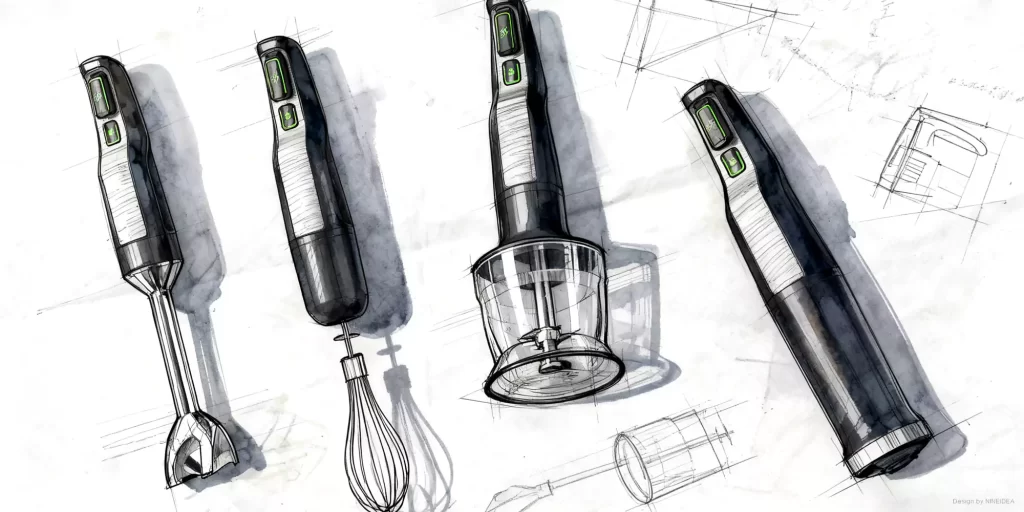


Post holiday layout of industrial design enterprises in Shenzhen
The triple opportunities of technological innovation, green transformation, and consumption upgrading require enterprises to identify their driving force and gather development synergy. This practical reference focuses on three core directions: digital empowerment, ecological collaboration, and innovative breakthroughs. It connects key links of strategic calibration, resource integration, technological breakthroughs, and talent cultivation, providing practical action ideas for enterprises in the industry, helping Shenzhen industrial design enterprises create differentiated advantages in the intelligent economy and green economy track, and jointly consolidating the industrial foundation of the “City of Design”.
1、 Strategic calibration: anchoring the main line of industrial upgrading
The primary task after the holiday is to conduct an annual review and direction calibration, based on the new track of “design+technology+ecology”, and accurately connect with the core needs of Shenzhen’s “20+8” industrial cluster. By utilizing industry public data or third-party research reports, market gaps and technological shortcomings in areas such as smart hardware, healthcare, and green manufacturing can be identified. Combined with the iterative trend of AI design models, the company can develop its own innovation list for segmented industries. At the same time, actively linking resources from national platforms such as Qianhai and Hetao, incorporating regional collaboration into enterprise development plans, and gradually building a full chain digital service model of “R&D design production manufacturing brand output”.
2、 Ecological Collaboration: Building a Diverse Collaborative Network
Cross regional collaboration can be further promoted, and it may be worthwhile to try the cooperation model of “design and development in Shenzhen, production and manufacturing linkage in the Bay Area”, focusing on meeting the transformation and upgrading needs of traditional manufacturing industries in Chaoshan, establishing enterprise level normalized supply and demand docking and data sharing channels, and achieving mutual benefit and win-win results.
At the international exchange level, it is recommended to actively participate in top exhibitions and competitions such as Milan Design Week and the German Red Dot Award, proactively connect with international design master studios for cooperation opportunities, and promote the alignment of one’s own design standards with international common standards. In addition, the “Five Ones” project carrier can be designed based on artificial intelligence, connected to the city’s intelligent design public service platform, sharing core resources such as material databases and AI assisted modeling tools, and reducing the threshold for technological application.
3、 Innovation Challenge: Focusing on Three Major Breakthrough Directions
- Deep application of AI design: internal technical teams can be formed or industry partners can be formed to establish collaborative mechanisms, optimize product design processes, promote the application of AI tools in creative generation, 3D modeling, solution iteration and other aspects, strive to achieve a design efficiency improvement of more than 30%, and focus on innovative interactive design of cutting-edge products such as intelligent terminals and AR/VR devices;
- Green design transformation: It is recommended to establish a low-carbon design special working group, promote the large-scale application of bio based materials and 3D printing subtractive processes, establish a digital system for tracing the carbon footprint of products throughout their lifecycle, actively apply for municipal green design demonstration projects, and strive to cultivate 1-2 enterprise benchmark cases within the year;
- Cross border integration and innovation: It is advisable to explore cross-border paths such as “fashion+technology” and “culture+digital creativity”, promote the research and development of cultural and creative products that integrate intangible cultural heritage skills with modern aesthetics, lay out new formats such as virtual fashion and smart wearables, and focus on cultivating 1-2 original design IPs with market influence.
4、 Talent Empowerment: Strengthening the Core Support for Enterprise Development
We can initiate a precise talent introduction plan for enterprises, actively connect with international design talent databases and relevant majors from top domestic universities, establish internal talent supply and demand channels, and actively apply for city level talent special subsidies to make good use of policy dividends. In terms of internal cultivation, it is recommended to jointly establish enterprise training bases with institutions such as Shenzhen Vocational and Technical University and Southern University of Science and Technology, and carry out special training on “AI+Industrial Design”, striving to cover more than 80% of employees in enterprises and enhance the team’s digital application and cross-border innovation capabilities.
In addition, cross departmental or cross enterprise collaboration mechanisms can be established to promote exchange and interaction among design talents and broaden innovation perspectives through joint projects, creative workshops, and other forms.
5、 Landing guarantee: Establish a sound closed-loop execution system for enterprises
Develop an annual target breakdown table for the enterprise, including the popularity rate of AI design tools, the proportion of green product design, the number of cross regional cooperation projects, and the conversion rate of design results as core assessment indicators. Implement monthly reviews and quarterly adjustments, and dynamically optimize the development path based on market changes. Actively apply for special support funds for municipal industrial design, and concentrate resources on technology research and development and digital platform construction.
At the same time, optimize the customer service process, establish a full cycle service mechanism of “demand research solution customization tracking iteration”, incorporate customer satisfaction into team performance evaluation, improve the effectiveness of design results transformation, and help enterprises steadily advance in the benign competition of Shenzhen’s industrial design industry.