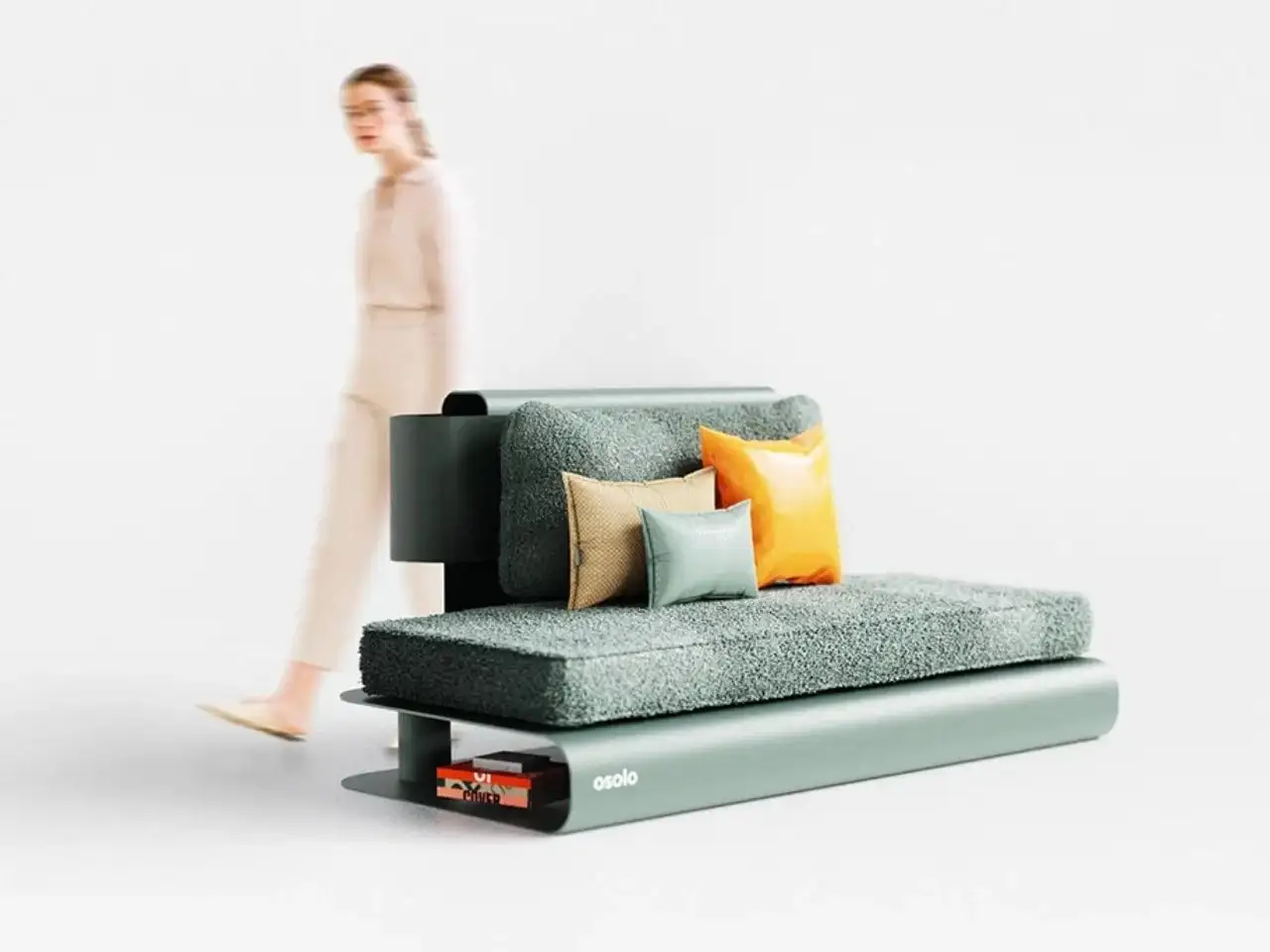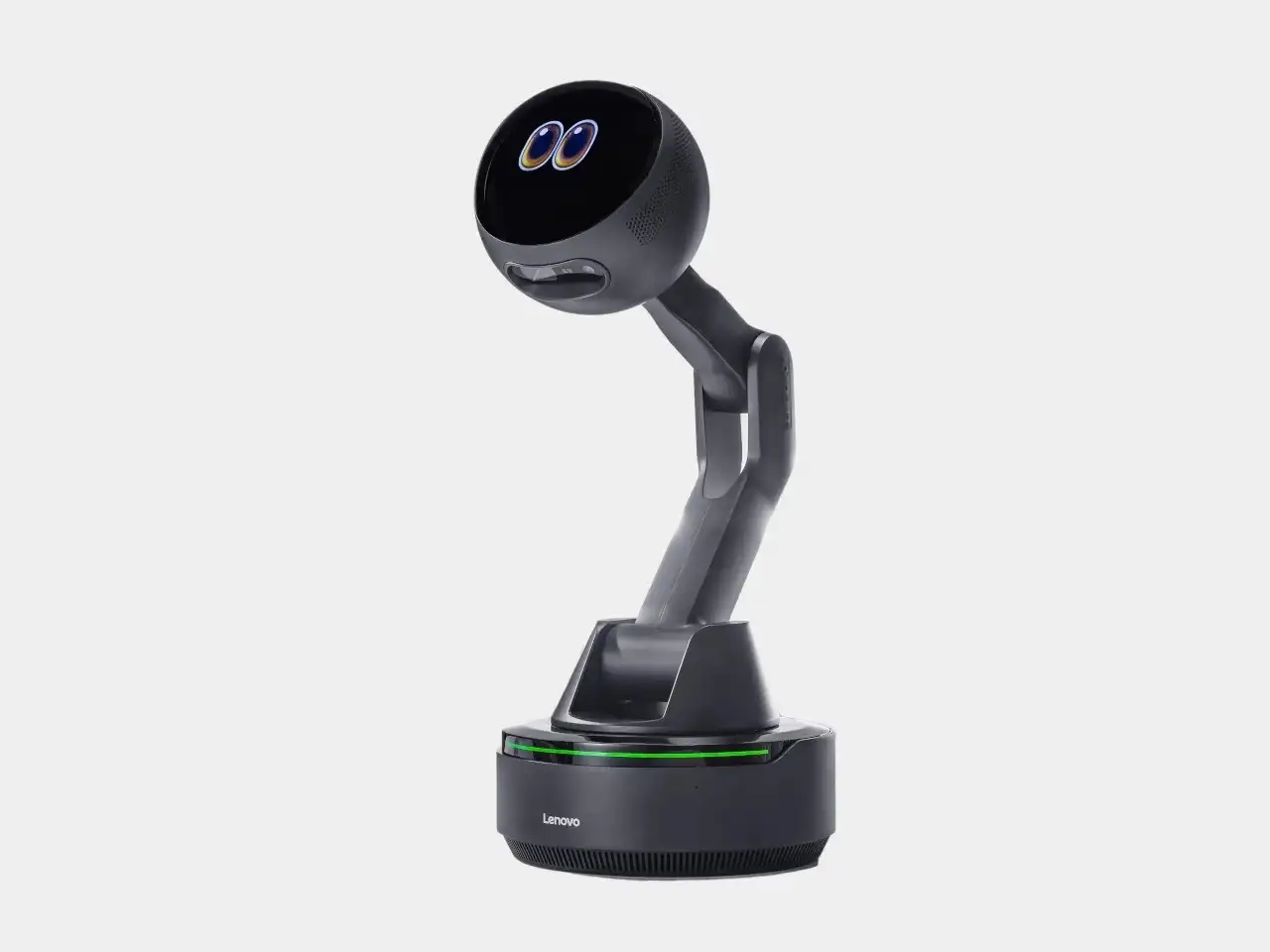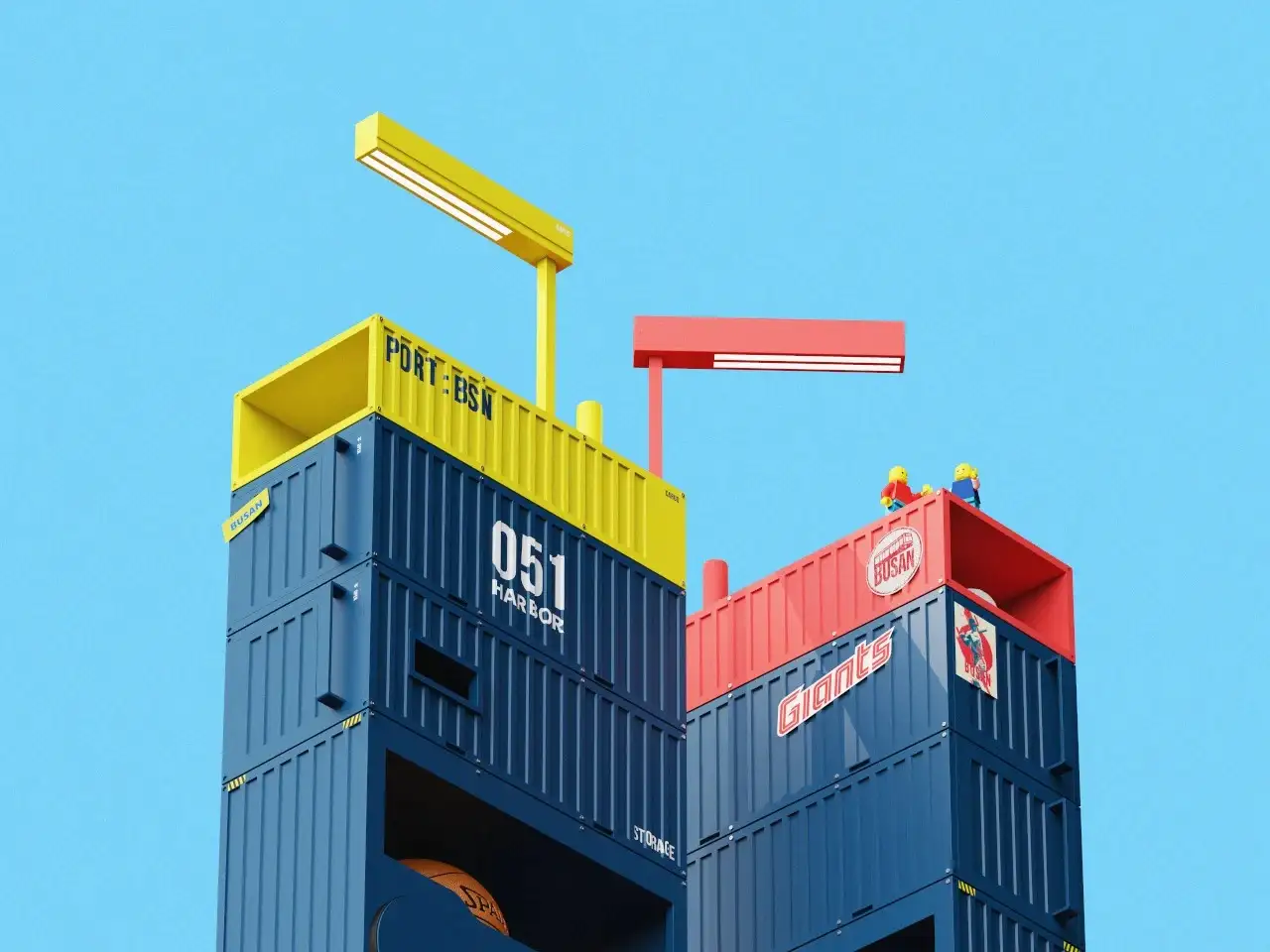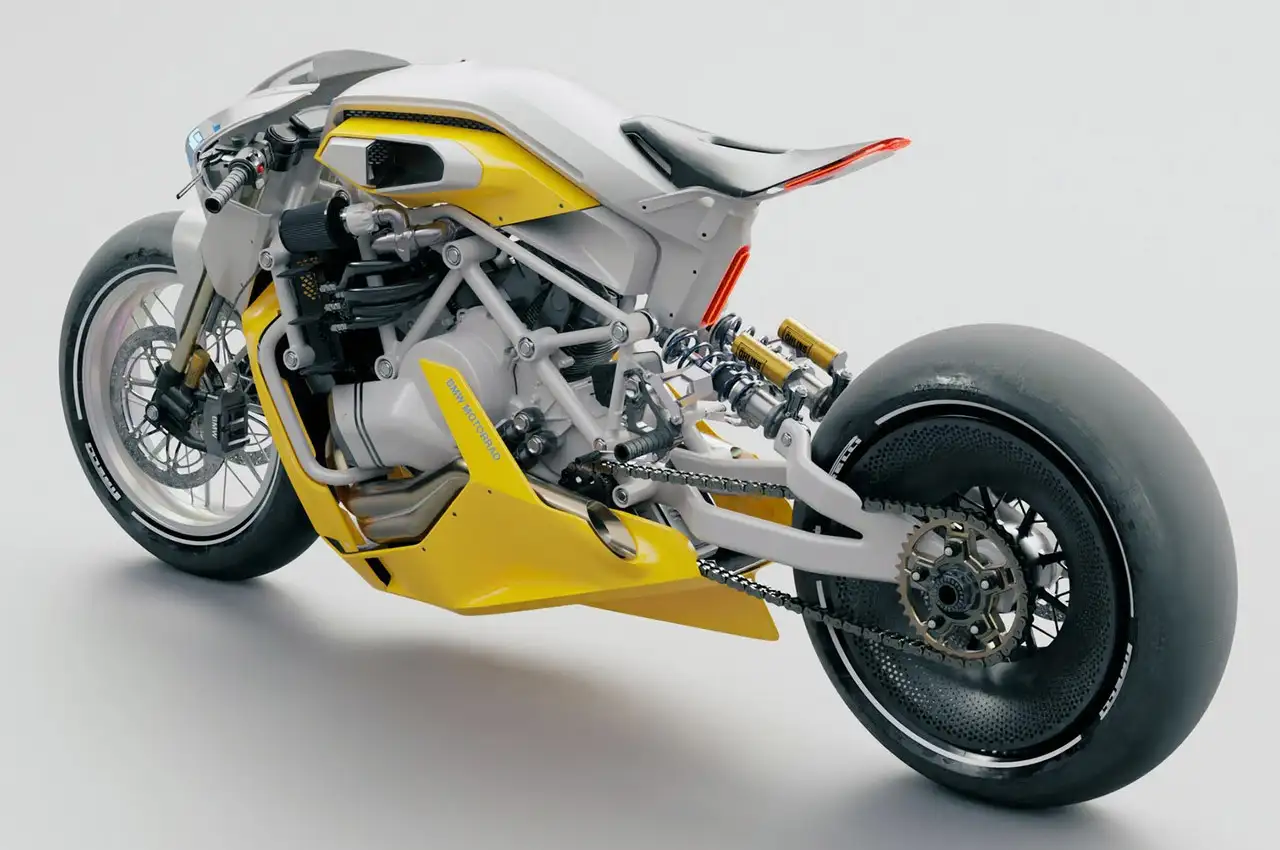










九号创新:工业设计领域中,因专利归属权产生的纠纷屡见不鲜 —— 有人熬夜打磨的设计图,最终成为所属单位的 “资产”;有人承接外包仅获单次设计费,却错失价值百万的专利权益;还有多方合作开发的爆款产品,因归属约定不明导致合作破裂。本文结合行业常见场景,普及工业设计专利归属权的核心规则,帮助从业者规避风险。
@NINEIDEA九号创新 www.nineidea.com
场景一:职务设计 vs 个人创作,资源依赖是核心判断标准
职场设计师入职企业后,在履职期间完成某款极简风智能门锁的工业设计,产品上市后销量火爆,半年突破 10 万件。设计师计划申请工业设计专利时,企业提出该设计属于职务发明,专利归属应归企业所有。
这一争议的核心依据来自《专利法》第六条:执行本单位的任务或者主要利用本单位物质技术条件完成的发明创造,属于职务发明创造,工业设计专利申请权默认归属单位。即便设计是在非工作时间完成,但如果使用了企业的设备(如 3D 打印机)、资金、供应链资源或技术资料完成验证落地,本质上仍依赖单位条件,专利归属企业符合法律规定。
但存在关键例外:若员工与企业提前签订书面协议,对工业设计专利归属作出明确约定,可优先按照约定执行。部分设计公司会在劳动合同中明确 “员工利用业余时间、不占用公司任何资源独立完成的设计成果,专利归个人所有”。此类约定下,设计师可将私下创作的便携加湿器等外观设计申请专利,后续通过授权给跨境电商等渠道获得长期收益。
行业提醒:设计师入职前务必仔细审阅劳动合同中的工业设计专利归属条款,明确职务创作与个人创作的边界,避免设计成果走红后才发现自身仅为 “劳动者” 而非 “权利人”。
场景二:外包项目的隐形陷阱:未约定归属,设计权益易旁落
工业设计团队承接外包项目时,常遇到此类情况:委托方(如某初创企业)提出户外露营水壶的设计需求,要求满足 “轻量化 + 防摔 + 便携” 特性,设计方耗时两个月优化方案,将壶身重量控制在 280g 并创新可拆卸背带结构,委托方按合同支付设计费后完成交付。
半年后,设计方在行业展会中发现该款水壶已更换品牌上市,且委托方已自行申报工业设计专利。当设计方提出异议时,委托方以 “合同仅约定交付设计方案,未明确专利归属” 为由拒绝让步。
这是典型的委托开发专利归属纠纷。根据《专利法》第八条,委托完成的发明创造,未约定专利归属的,工业设计专利申请权默认属于完成方(即设计方)。但因合同未明确约定,双方易产生争议,即便设计方通过法律途径维权成功,也可能耗费大量时间成本,耽误设计成果的商业化进程。
行业共识:工业设计团队承接中小企业工业设计私单或商业外包时,应在合同中明确约定:“本项目所产生的工业设计专利申请权、专利权归受托方(设计方)所有,委托方享有非独占使用权,如需转让专利需另行签订补充协议”,避免创意成果被无偿占用。
场景三:合作开发的权益分配:无约定则默认共同所有
工业设计方、技术提供方与生产厂家三方合作开发智能保温杯时,设计方负责外观与结构设计,技术方提供电路方案,生产方负责工艺落地与量产。产品上市后成为网红爆款,年销量达 30 多万件,此时各方就工业设计专利申请权产生分歧:技术方认为核心技术属自身所有,专利应归己;生产方主张自身实现设计落地,应享有专利权;设计方则提出设计是产品核心竞争力,专利归属应倾向于自己。
根据法律规定,合作完成的发明创造,未提前约定归属的,工业设计专利申请权属于共同完成的各方。行业内常见的解决方案是:三方签订工业设计专利归属协议,明确各方权利义务 —— 设计方享有设计修改权及授权收益分成,技术方享有技术改进权及对应收益,生产方享有生产使用权及相关收益,同时约定收益分配比例与后续专利转让规则。
此类合作模式下,若专利后续授权给跨境电商等渠道,各方可按约定长期获得专利使用费,实现共赢。反之,若未提前约定,不仅会引发纠纷,还可能错失商业化良机。
工业设计专利归属权的 3 个核心普及要点
- 约定优先是基本原则:无论职务设计、委托开发还是合作创作,书面协议的约定效力优先于法律默认规则。行业内所有合作场景中,提前以书面形式明确工业设计专利归属、使用权范围及收益分配,是避免纠纷的关键。
- 资源依赖决定默认归属:判断专利归属的核心标准,在于设计过程是否 “主要依赖” 某一方的物质技术条件 —— 包括企业的设备、资金、供应链、技术资料,或合作方的核心技术、生产资源等。若存在此类依赖,专利默认归属提供资源的一方。
- 及时申请是权益保障关键:设计成果完成后,专利权人应尽快申请工业设计专利。我国实行 “先申请原则”,谁先提交申请,谁就享有专利权。行业中常见因拖延申请导致设计被他人抢注的案例,最终设计师或设计团队只能承担权益损失。
补充说明:外观设计专利权期限为十五年(自申请日起计算),专利权人在期限内享有独占权,他人生产、销售、授权该设计需获得权利人许可。工业设计专利既是保护创意的法律屏障,也是实现商业变现的重要资产。
工业设计的每一处线条优化、每一项结构创新,都是创意价值的凝结。提前明确归属约定、留存设计过程证据、及时完成专利申请,才能让工业设计专利真正成为行业从业者的 “无形资产”。
若遇到职务设计与个人设计边界模糊、合作协议条款拟定等具体问题,可参考行业规范或咨询专业法律机构,在创意变现的道路上筑牢权益保障防线。


Guidelines for Ownership of Industrial Design Patents
NINEIDEA: in the field of industrial design, disputes arising from patent ownership are common – some people stay up late to polish the design drawings, which eventually become the “assets” of the affiliated units; Some people only receive a single design fee for outsourcing, but miss out on patent rights worth millions; There are also popular products developed through multi-party cooperation, but the cooperation broke down due to unclear ownership agreements. This article combines common industry scenarios to popularize the core rules of industrial design patent ownership, helping practitioners avoid risks.
Scenario 1: Job Design vs. Personal Creation, Resource Dependence is the Core Judgment Criterion
After joining the company, a workplace designer completed the industrial design of a minimalist smart door lock during their tenure. After the product was launched, its sales were booming, exceeding 100000 units in six months. When the designer plans to apply for an industrial design patent, the enterprise proposes that the design belongs to a service invention and the patent should belong to the enterprise.
The core basis of this dispute comes from Article 6 of the Patent Law: Inventions and creations made by performing tasks of the unit or mainly utilizing the material and technological conditions of the unit belong to service inventions and creations, and the right to apply for industrial design patents is assumed to belong to the unit. Even if the design is completed during non working hours, if the verification and implementation are completed using the company’s equipment (such as 3D printers), funds, supply chain resources, or technical materials, it still relies on the unit’s conditions, and the patent ownership of the company complies with legal regulations.
But there are key exceptions: if an employee signs a written agreement with the company in advance to clearly stipulate the ownership of industrial design patents, priority can be given to implementing the agreement. Some design companies will explicitly state in their labor contracts that ‘design results independently completed by employees in their spare time without occupying any company resources shall be owned by individuals’. Under such agreements, designers can apply for patents for privately created designs such as portable humidifiers, and subsequently obtain long-term benefits through authorization to cross-border e-commerce and other channels.
Industry reminder: Designers must carefully review the industrial design patent ownership clause in their employment contract before joining, clarify the boundary between job creation and personal creation, and avoid discovering that they are only “workers” rather than “rights holders” after their design results become popular.
Scenario 2: The Hidden Trap of Outsourcing Projects: Failure to Agree on Ownership, and Easy Loss of Design Rights
When industrial design teams undertake outsourcing projects, they often encounter such situations: the client (such as a startup) proposes a design requirement for an outdoor camping kettle that meets the characteristics of “lightweight+anti fall+portability”. The design team spent two months optimizing the plan, controlling the weight of the kettle body to 280g and innovating a detachable strap structure. The client pays the design fee according to the contract and completes the delivery.
Half a year later, the designer discovered at an industry exhibition that the brand of the kettle had been changed and put on the market, and the client had already applied for an industrial design patent on their own. When the design party raised objections, the commissioning party refused to compromise on the grounds that “the contract only stipulates the delivery of the design scheme and does not specify the ownership of the patent”.
This is a typical dispute over the ownership of commissioned development patents. According to Article 8 of the Patent Law, if there is no agreement on the ownership of the patent for an invention or creation completed by commission, the right to apply for an industrial design patent is assumed to belong to the completing party (i.e. the designer). However, due to the lack of clear agreement in the contract, disputes are likely to arise between the two parties. Even if the design party successfully protects their rights through legal means, it may consume a lot of time and cost, delaying the commercialization process of the design results.
Industry consensus: When industrial design teams undertake private orders or commercial outsourcing of industrial design for small and medium-sized enterprises, they should clearly stipulate in the contract that “the industrial design patent application rights and patent rights generated by this project belong to the entrusted party (designer), and the commissioning party enjoys non exclusive use rights. If a patent needs to be transferred, a supplementary agreement must be signed separately” to avoid the creative results being occupied for free.
Scenario 3: Equity distribution for collaborative development: If there is no agreement, it is assumed to be jointly owned
When industrial designers, technology providers, and manufacturers collaborate to develop intelligent insulated cups, the designers are responsible for the appearance and structural design, the technicians provide circuit solutions, and the manufacturers are responsible for process implementation and mass production. After the product was launched, it became a popular item on the internet with an annual sales volume of over 300000 units.
At this time, there were disagreements among various parties regarding the right to apply for industrial design patents: the technical party believed that the core technology belonged to themselves and the patent should belong to them; The manufacturer advocates for the implementation of their own design and should enjoy patent rights; The designer proposes that design is the core competitiveness of the product, and patent ownership should lean towards oneself.
According to the law, if the ownership of the invention or creation completed through cooperation is not agreed upon in advance, the right to apply for an industrial design patent belongs to the parties who jointly completed it.
The common solution in the industry is to sign an industrial design patent ownership agreement among three parties, clarifying the rights and obligations of each party – the design party enjoys the right to modify the design and share the authorized benefits, the technical party enjoys the right to improve the technology and corresponding benefits, the production party enjoys the right to use the production and related benefits, and at the same time, the profit distribution ratio and subsequent patent transfer rules are agreed upon.
In this type of cooperation model, if the patent is subsequently authorized to cross-border e-commerce and other channels, all parties can obtain long-term patent usage fees as agreed, achieving a win-win situation. On the contrary, if not agreed upon in advance, it may not only lead to disputes, but also miss commercial opportunities.
Three core popularization points of ownership of industrial design patents
- Agreement priority is a fundamental principle: regardless of job design, commissioned development, or collaborative creation, the effectiveness of written agreements takes precedence over legal default rules. In all cooperation scenarios within the industry, it is crucial to clarify in writing the ownership, scope of use, and distribution of benefits of industrial design patents in advance to avoid disputes.
- Resource dependence determines default ownership: The core criterion for determining patent ownership is whether the design process “primarily relies” on the material and technological conditions of one party, including the enterprise’s equipment, funds, supply chain, technical data, or the core technology and production resources of the partner. If such dependence exists, the patent is assumed to belong to the party providing the resources.
- Timely application is the key to safeguarding rights and interests: after the completion of the design results, the patentee should apply for an industrial design patent as soon as possible. China implements the “first to apply principle”, where whoever submits the application first enjoys the patent right. Common cases in the industry where design is preemptively registered by others due to delayed applications result in the designer or design team ultimately bearing the loss of rights and interests.
Additional explanation: The term of a design patent is fifteen years (calculated from the date of application), during which the patentee enjoys exclusive rights. The production, sale, or authorization of the design by others requires permission from the patentee. Industrial design patents are not only a legal barrier for protecting creativity, but also an important asset for realizing commercial monetization.
Every line optimization and structural innovation in industrial design is a condensation of creative value. Only by clarifying the ownership agreement in advance, retaining evidence of the design process, and completing patent applications in a timely manner can industrial design patents truly become intangible assets for industry practitioners.
If encountering specific issues such as blurred boundaries between job design and personal design, or drafting of cooperation agreement terms, one can refer to industry standards or consult professional legal institutions to build a strong defense line for rights protection on the road of creative monetization.