









九号创新:工业设计专业价值,并非仅仅是外观美化,而是一种系统性、策略性的问题解决与价值创造流程。它位于 “用户需求-技术可行性-商业成功” 这一三角关系的中心,是推动三者达成最优解的整合性学科。其专业性与关联性主要体现在以下四个维度:
@NINEIDEA九号创新 www.nineidea.com
一、商业维度:从成本中心到价值引擎
传统观念中,设计是产品开发的“最后一步”——给工程师的成果“套个壳子”。这是一种根本性的误解。专业的工业设计在商业中扮演着更核心的角色:
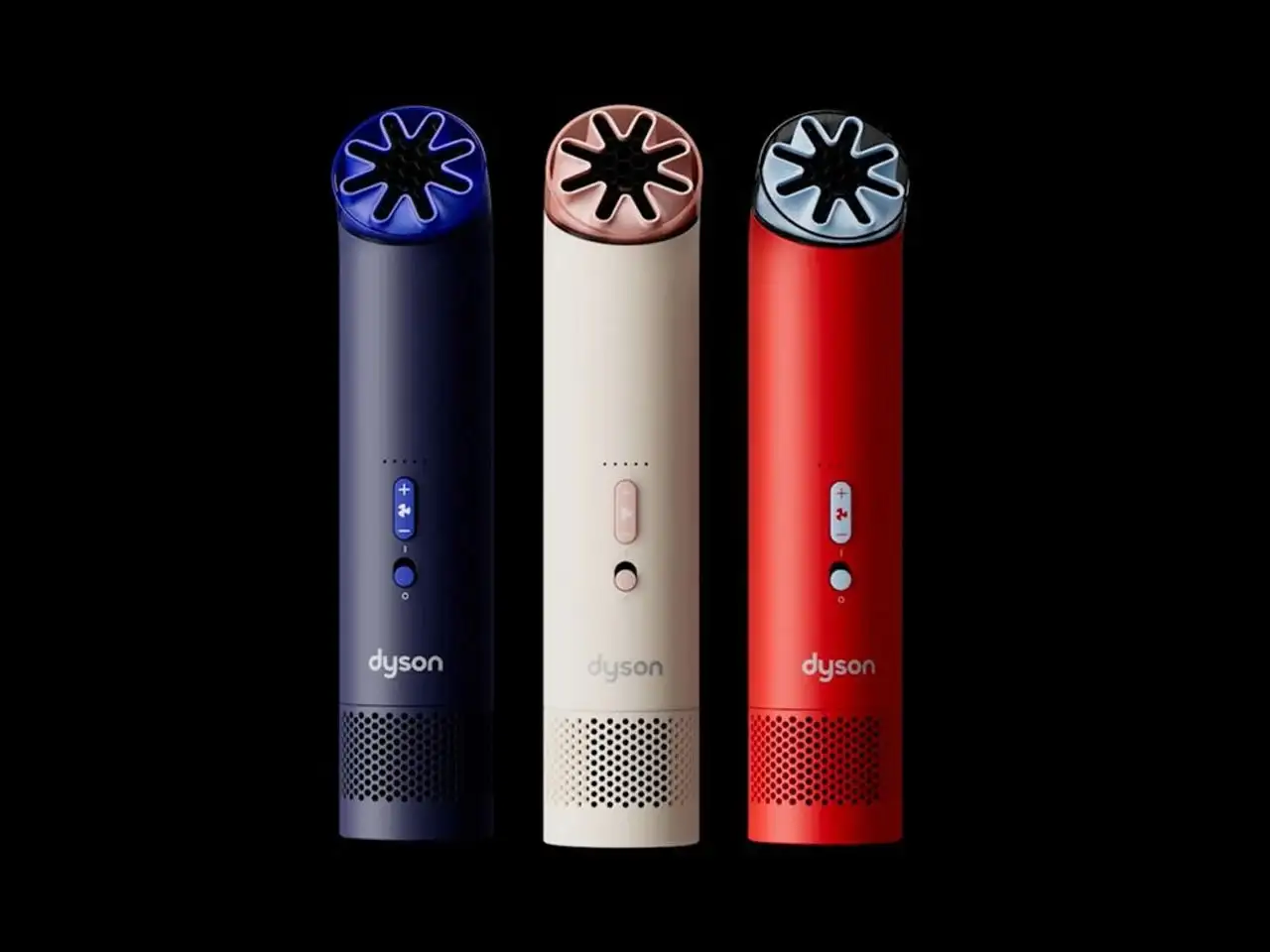
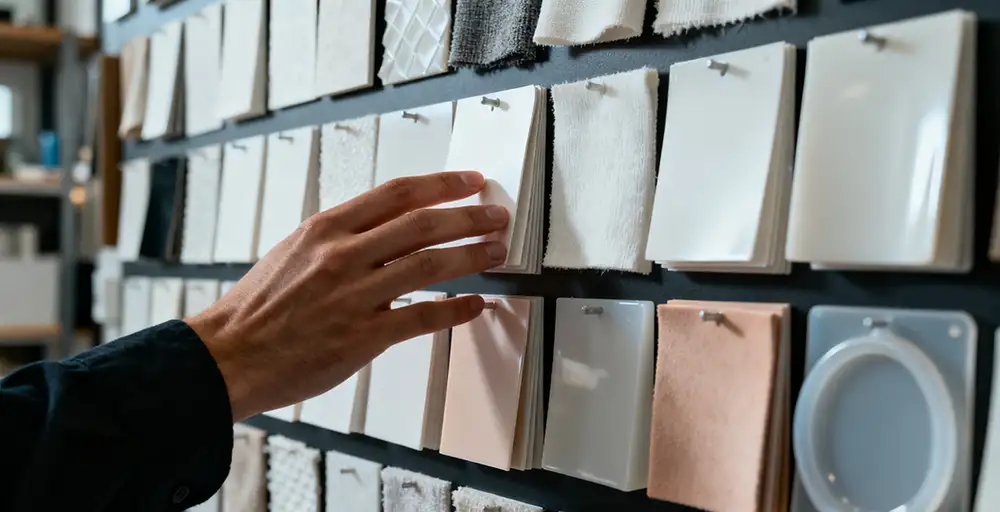
- 定义产品语言与品牌资产: 设计是品牌无声的发言人。苹果的极简、戴森的科技感、无印良品的侘寂,这些品牌认知首先通过其产品的CMF(色彩、材料、工艺)和形态语言深入人心。设计构建了可被用户感知和记忆的品牌视觉资产。
- 驱动差异化与溢价能力: 在技术同质化严重的市场,设计是建立有效差异化的关键手段。同样的芯片、电池和屏幕,不同的设计策略能催生出面向商务精英、硬核玩家或时尚女性的完全不同定位的产品,从而摆脱价格战,获得品牌溢价。
- 优化全生命周期成本: 专业的工业设计在概念阶段就深度介入,通过DFM(面向制造的设计)、DFA(面向装配的设计)原则,直接减少零部件数量、优化装配流程、选用合理材料。这不仅降低了生产成本,更提升了生产效率和品控稳定性,其节省的成本远超设计费用本身。
二、用户维度:从功能实现到体验创新
这是设计的本源,但其专业性体现在方法论的深度:
- 需求洞察与机会定义: 设计师通过人类学观察、用户旅程地图等工具,系统性地挖掘用户的 “未言明之痛” 与 “未满足之需” 。这常常能发现比“让外观更酷”更根本的创新机会,甚至重新定义产品品类(如:将“扫地”重新定义为“自主环境维护”,从而催生扫地机器人)。
- 构建完整的用户体验: 设计涵盖用户与产品/服务互动的全链条:从第一次开箱的仪式感、日常使用的直觉性、到维护清洁的便利性,乃至最终回收的环保性。这是一个从物理交互到心理感知的系统工程。
- 可用性与安全性的守护者: 尤其在医疗、工具、儿童用品等领域,设计通过人机工程学研究和原型测试,确保产品在生理上适配人(如握持、视角、力反馈),在认知上引导人(如防错设计、清晰的信息层级),是产品安全与易用的核心保障。
三、技术与工程维度:从实验室到市场的桥梁
设计师是技术最好的“翻译官”与合作者。
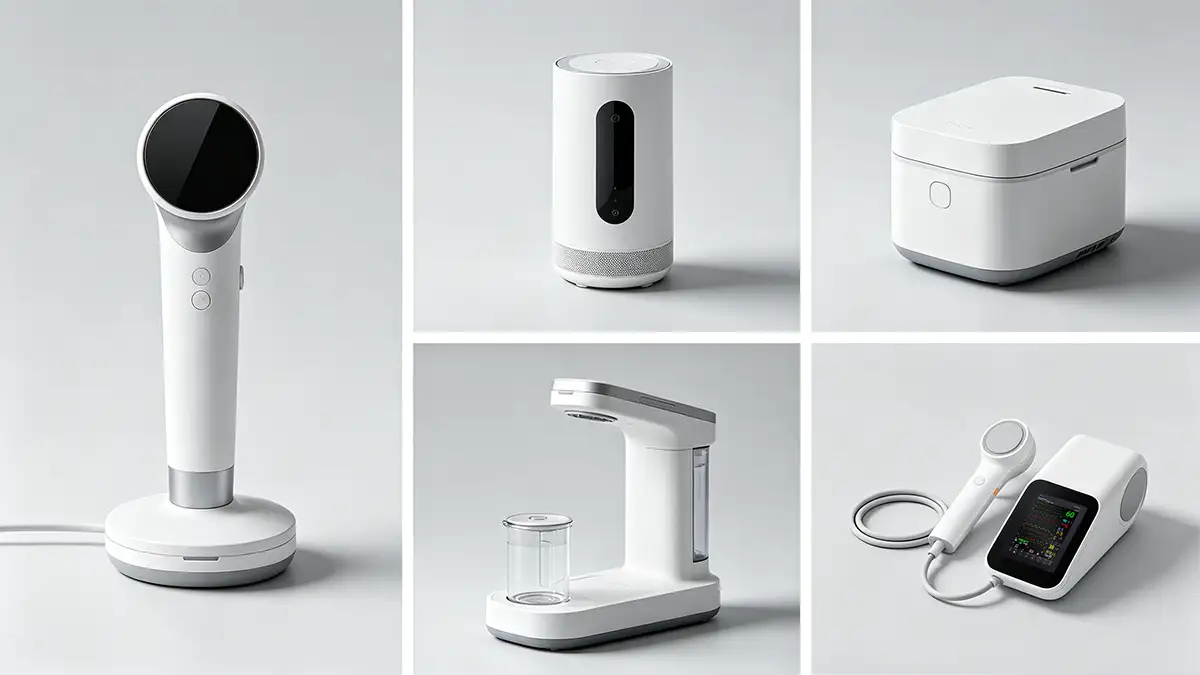
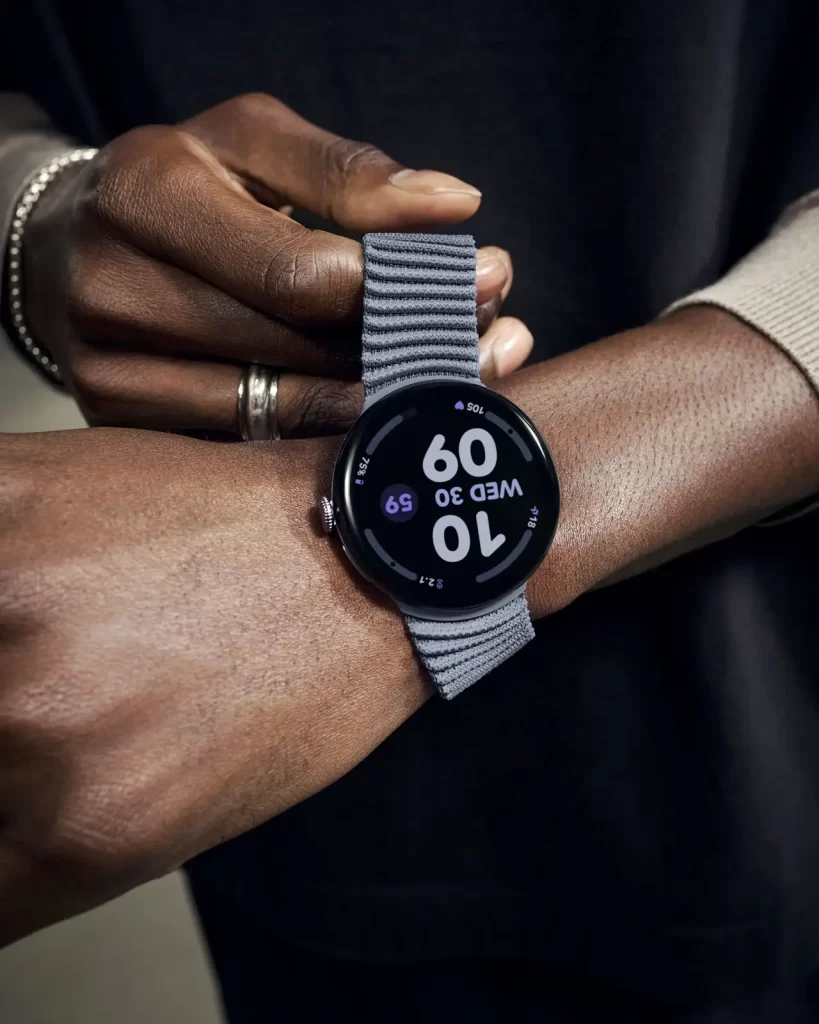
- 技术的情境化应用: 工程师专注于技术的极限突破(“我们能做什么”),设计师则专注于技术的恰当应用(“用户需要它做什么”)。例如,将新型传感器技术,转化为老人易用的健康监测设备,或转化为提升工业巡检效率的智能工具。
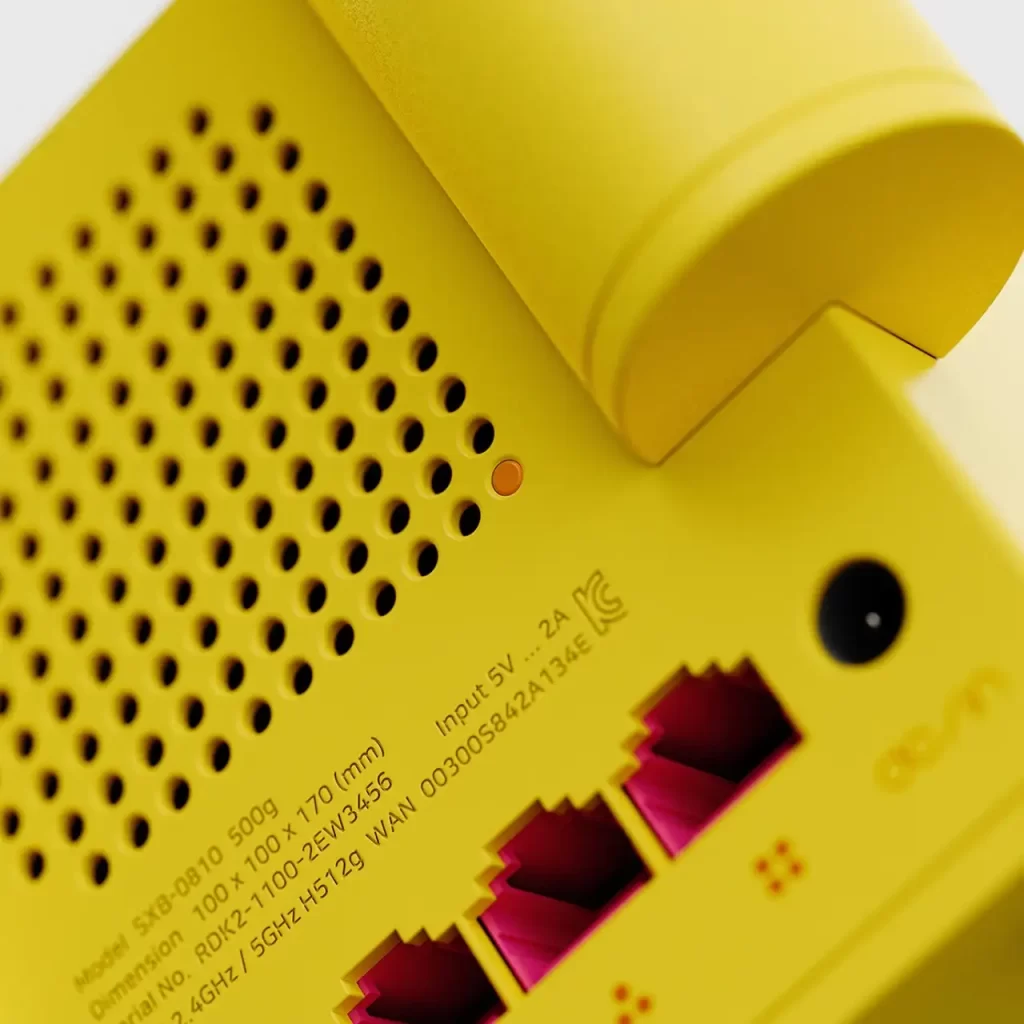
- 工程约束下的创新: 优秀的设计不是在真空中创作,而是在散热、结构强度、电磁干扰、量产公差等严格的工程约束下,寻找最优的形态、材料和结构解决方案。这是与工程师紧密协作、相互成就的过程。
四、社会与产业维度:可持续与系统思维的推动者
现代工业设计早已超越单一产品范畴。
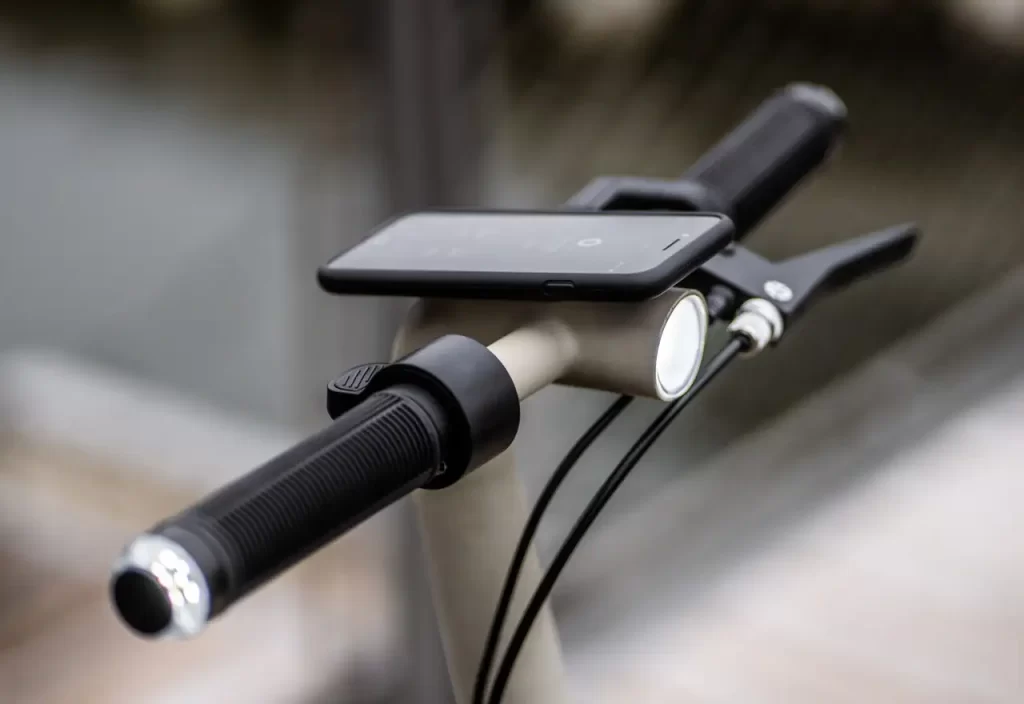
- 服务与系统设计: 设计思维被用于规划共享单车系统的车辆、桩位与APP交互,或设计一套模块化、可升级的智能家居产品生态系统。它关注的是产品在整个服务系统和社会环境中的角色。
- 可持续设计的践行者: 从材料选择(可回收、生物基)、结构设计(易于拆解维修)、到商业模式探索(产品服务系统、租赁模式),工业设计师是循环经济理念在产品端落地的关键执行者。
总结:工业设计的专业内核
因此,工业设计的专业价值,本质上是一种以用户为中心、整合多学科知识、在商业和技术约束下,系统性地创造产品、服务与体验,以实现用户价值、商业成功与社会福祉最大化的战略过程。
它与各行各业的关联性并非流于表面的“美化”,而是深度的价值共生:帮助技术找到市场出口,帮助商业构建竞争壁垒,帮助用户获得更好的工具与体验,最终推动产业向更高效、更人性化、更可持续的方向演进。它不是一个后续工序,而应被视为产品创新与品牌构建的核心战略职能。



On the essential correlation of the value of industrial design profession in modern industry
NINEIDEA: the professional value of industrial design is not just the beautification of appearance, but a systematic and strategic problem solving and value creation process. It is located at the center of the triangular relationship between user needs, technical feasibility, and business success, and is an integrated discipline that drives the three to achieve optimal solutions. Its professionalism and relevance are mainly reflected in the following four dimensions:
1、 Business dimension: from cost center to value engine
In traditional thinking, design is the “last step” of product development – putting a “shell” on the engineer’s achievements. This is a fundamental misunderstanding. Professional industrial design plays a more central role in business:
Define product language and brand assets: Design is the silent spokesperson for the brand. The brand recognition of Apple’s minimalism, Dyson’s sense of technology, and MUJI’s wabi sabi is first deeply rooted in people’s minds through the CMF (color, material, craftsmanship) and form language of their products. Designed and constructed brand visual assets that can be perceived and remembered by users.
Driving differentiation and premium capability: In markets with severe technological homogenization, design is a key means of establishing effective differentiation. The same chip, battery, and screen, but different design strategies can lead to products with completely different positioning for business elites, hardcore players, or fashionable women, thus breaking free from price wars and gaining brand premiums.
Optimizing full lifecycle costs: Professional industrial design is deeply involved in the conceptual stage, using DFM (Design for Manufacturing) and DFA (Design for Assembly) principles to directly reduce the number of components, optimize assembly processes, and select appropriate materials. This not only reduces production costs, but also improves production efficiency and quality control stability, saving costs far beyond the design costs themselves.
2、 User Dimension: From Function Implementation to Experience Innovation
This is the origin of design, but its professionalism is reflected in the depth of methodology:
Requirement insight and opportunity definition: Designers systematically explore users’ “unspoken pain” and “unmet needs” through tools such as anthropological observation and user journey maps. This often reveals more fundamental innovation opportunities than “making the appearance cooler”, and even redefines product categories (such as redefining “sweeping” as “autonomous environmental maintenance”, thus giving birth to sweeping robots).
Building a complete user experience: Design the entire chain of interaction between users and products/services: from the ceremonial feeling of the first unboxing, the intuitive nature of daily use, to the convenience of maintaining cleanliness, and ultimately the environmental friendliness of recycling. This is a system engineering from physical interaction to psychological perception.
The guardian of usability and security: Especially in the fields of healthcare, tools, children’s products, etc., designing products through ergonomics research and prototype testing to ensure physiological compatibility with people (such as grip, perspective, force feedback) and cognitive guidance (such as error prevention design, clear information hierarchy) is the core guarantee of product safety and usability.
3、 Technical and Engineering Dimensions: A Bridge from Laboratory to Market
Designers are the best “translators” and collaborators in terms of technology.
Situational application of technology: Engineers focus on breaking through the limits of technology (“what we can do”), while designers focus on the appropriate application of technology (“what users need it to do”). For example, transforming new sensor technologies into user-friendly health monitoring devices for the elderly, or into intelligent tools to improve industrial inspection efficiency.
Innovation under engineering constraints: Excellent design is not created in a vacuum, but rather seeks the optimal form, material, and structural solutions under strict engineering constraints such as heat dissipation, structural strength, electromagnetic interference, and production tolerances. This is a process of close collaboration and mutual achievement with engineers.
4、 Social and Industrial Dimensions: Drivers of Sustainability and Systems Thinking
Modern industrial design has long surpassed the scope of a single product.
Service and System Design: Design thinking is used to plan the interaction between vehicles, stations, and apps in a shared bicycle system, or to design a modular and upgradable smart home product ecosystem. It focuses on the role of the product in the entire service system and social environment.
Practitioners of sustainable design: From material selection (recyclable, bio based), structural design (easy to disassemble and repair), to business model exploration (product service system, leasing model), industrial designers are key implementers of the circular economy concept in product implementation.
Summary: Professional Core of Industrial Design
Therefore, the professional value of industrial design is essentially a strategic process that centers around users, integrates multidisciplinary knowledge, and systematically creates products, services, and experiences under commercial and technological constraints, in order to maximize user value, business success, and social welfare.
Its relevance to various industries is not just superficial “beautification”, but a deep value symbiosis: helping technology find market exports, helping businesses build competitive barriers, helping users obtain better tools and experiences, and ultimately promoting the evolution of industries towards higher efficiency, humanization, and sustainability. It is not a follow-up process, but should be regarded as the core strategic function of product innovation and brand building.