









九号创新:最近小米在西班牙巴塞罗那 MWC 世界移动通信大会全球首发了其首款概念超跑 ——Vision GT,这不仅是小米汽车作为首个受邀参与《Gran Turismo》(GT 赛车) 企划的中国品牌之作,更是一场以 “由风塑形” 为核心的极简工业设计革命。这台专为游戏而生却打造了真实可动实车的超跑,以极致空气动力学为灵魂,将 “少即是多” 的设计哲学演绎到了新高度微博。
@NINEIDEA九号创新 www.nineidea.com
一、设计理念:驭风而行的极简主义
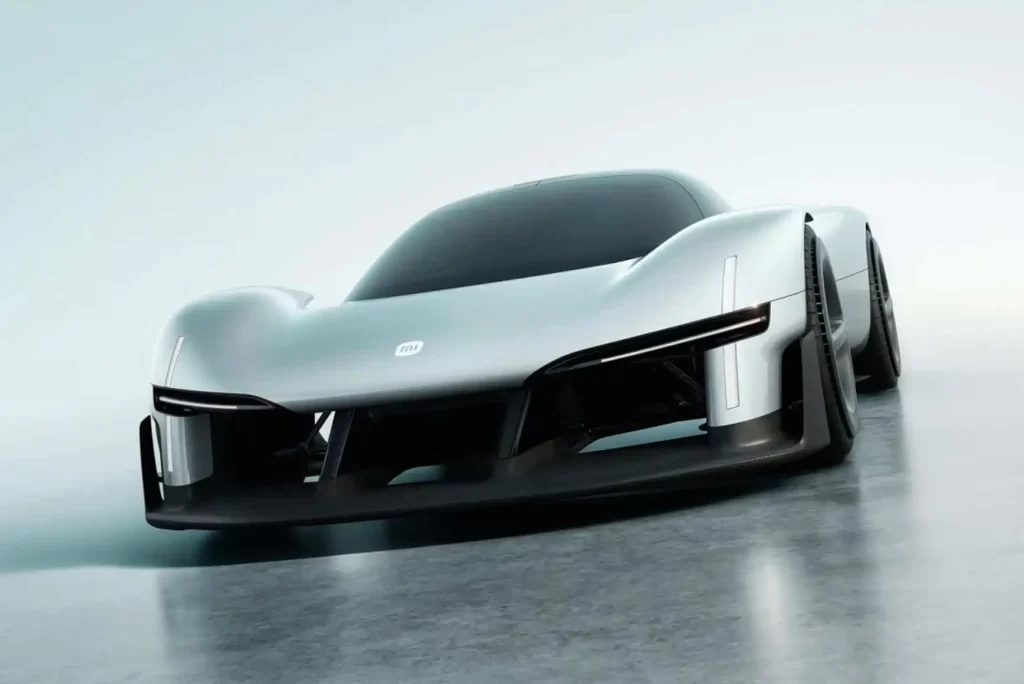
小米汽车设计总监李田原在发布会上反复强调:”这台车上没有任何一个线条,一个开孔是纯粹为了装饰而存在的。”Vision GT 的核心设计理念是 **”不依靠额外加装部件达成空气动力学目标”**,这要求团队摒弃传统超跑堆砌扰流板的思路,让车身本体成为最佳的空气动力学装置。
经过数万次 CFD 数字风洞模拟优化,整车 98% 的表面都具备导流功能,风阻系数低至0.29 Cd,下压力达到1.2 吨,空气动力学效率高达4.1,达到顶级超跑水准微博。这种 “由风塑形” 的设计思路,让每一处曲面都像是被自然风雕刻而成,呈现出浑然天成的流动美感。
二、外观设计:流动的空气动力学艺术品
1. 悬浮水滴座舱:风的雕塑
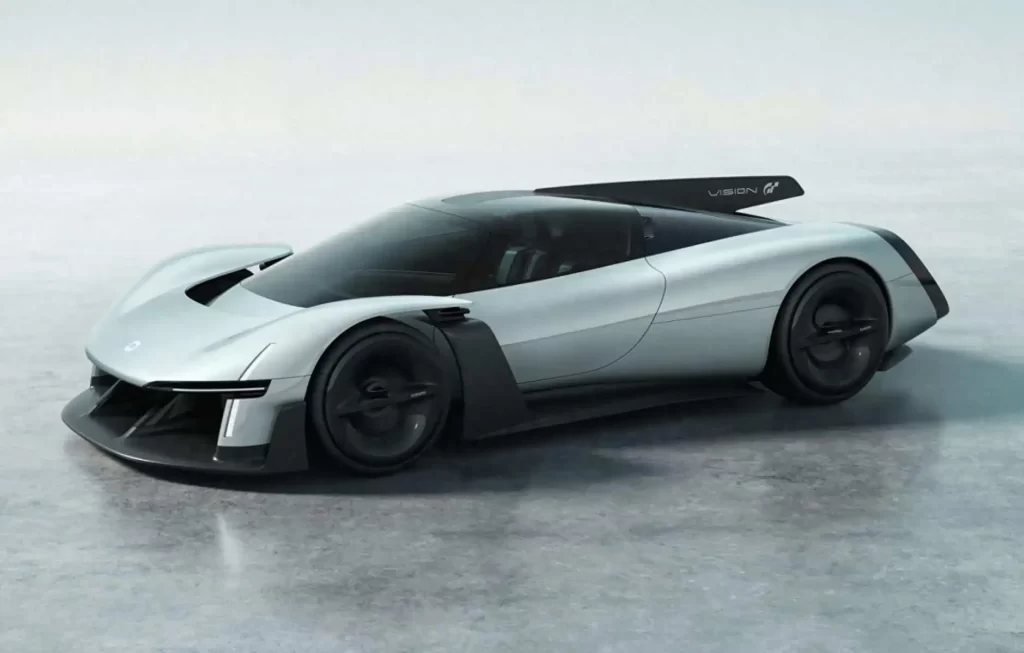
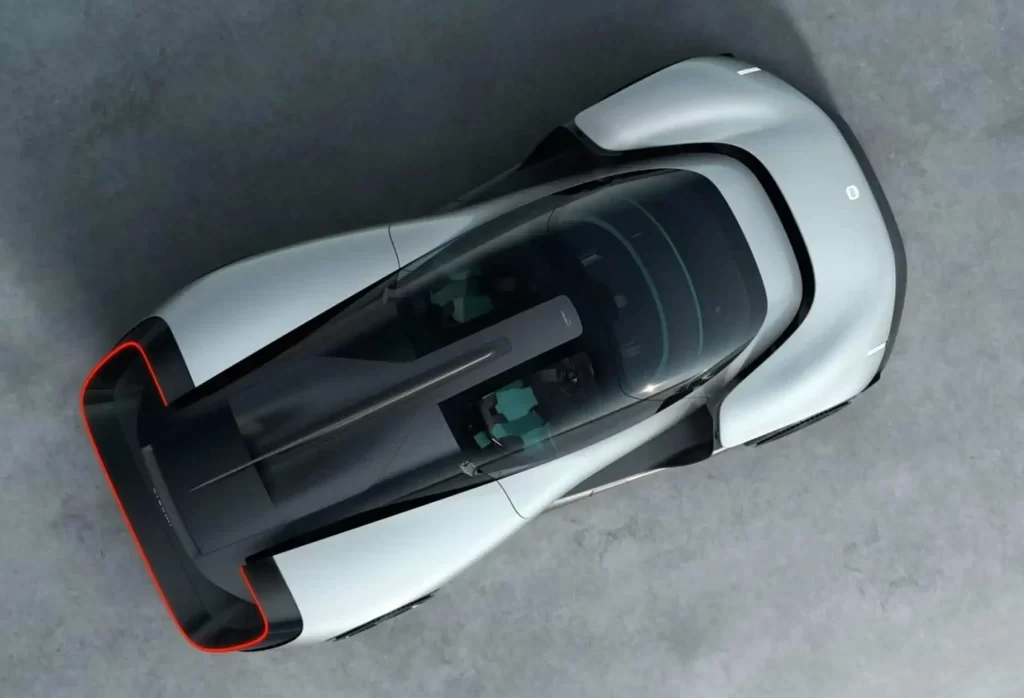
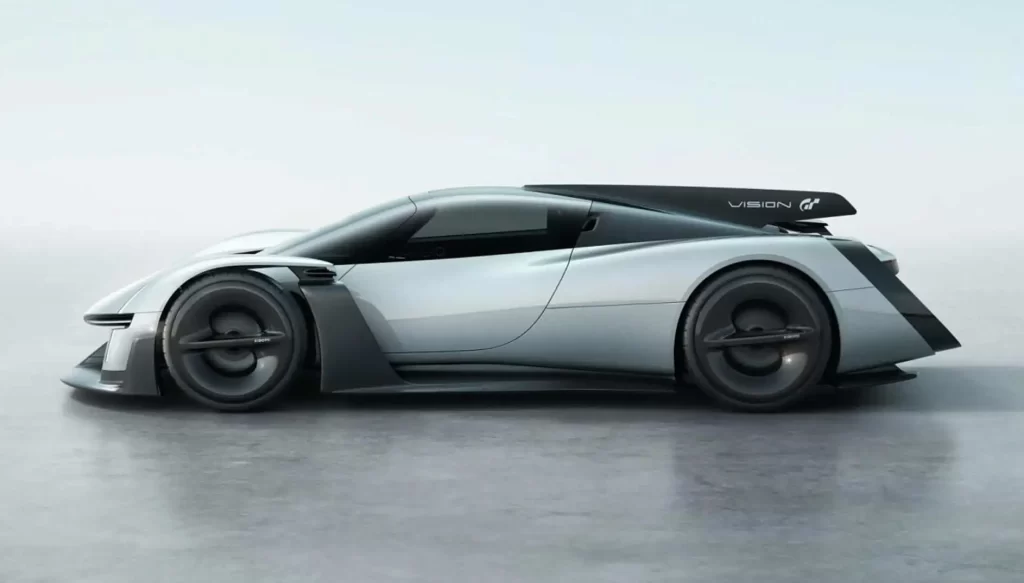
Vision GT 最具辨识度的设计莫过于悬浮水滴式座舱,驾驶舱被设计为一个浮动的 “泪滴” 造型,底部则是巨大的空气动力学风道。这种设计让气流能从车顶顺畅流过并贯穿座舱底部,最大程度降低风阻,同时创造稳定的下压力。
车顶配备了勒芒赛车标志性的 “鲨鱼鳍”,不仅增强了高速行驶稳定性,更强化了整车的赛道基因。车身宽度与高度比例达到惊人的3:1,极致低趴的姿态配合中置驾驶舱布局,营造出仿佛来自科幻电影的视觉冲击。
2. 蝴蝶门:仪式感与功能的融合
Vision GT 采用了与法拉利拉法相同的蝴蝶门设计,主副驾车顶与车门采用一体式结构,开启时极具视觉冲击力,兼具仪式感与赛道美学。这种开门方式不仅让上下车更加便捷,更重要的是优化了侧面气流,减少了行驶中的空气阻力。
3. 十字大灯与光环尾灯:功能即美学
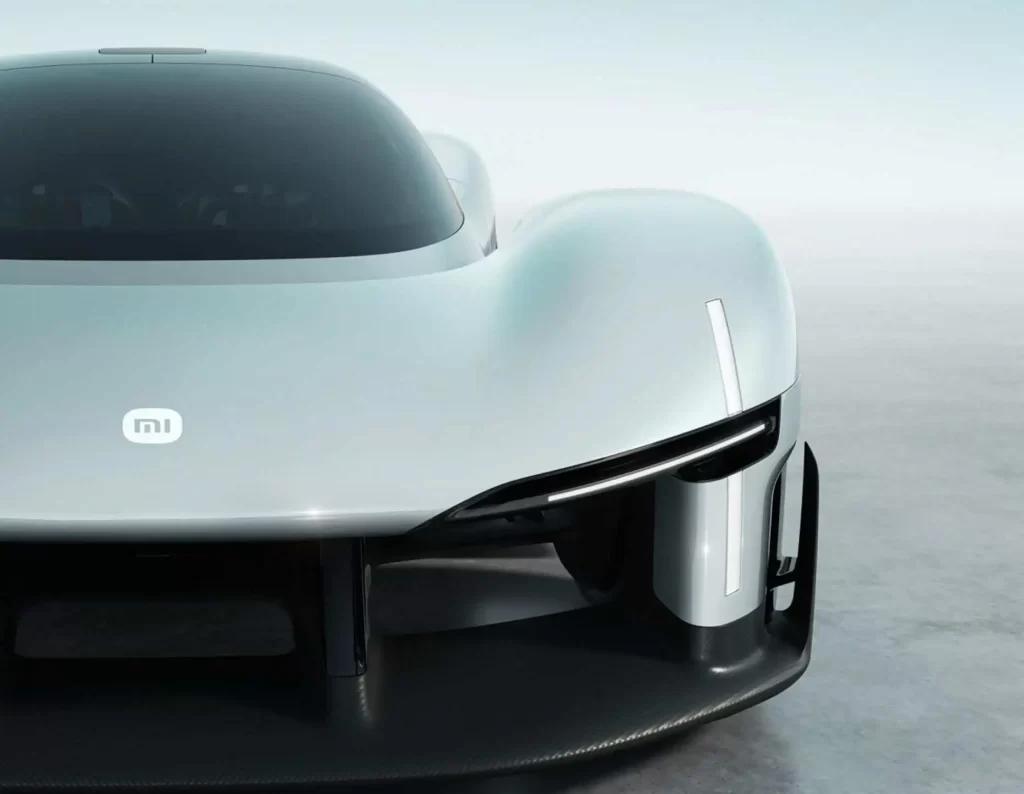
前脸两侧灯组呈现出标志性的 “十字” 造型,被小米称为 **”十字大灯”**,这个设计并非纯粹的装饰,而是兼具导流功能,与车身无缝融合,引导气流流向车身两侧。
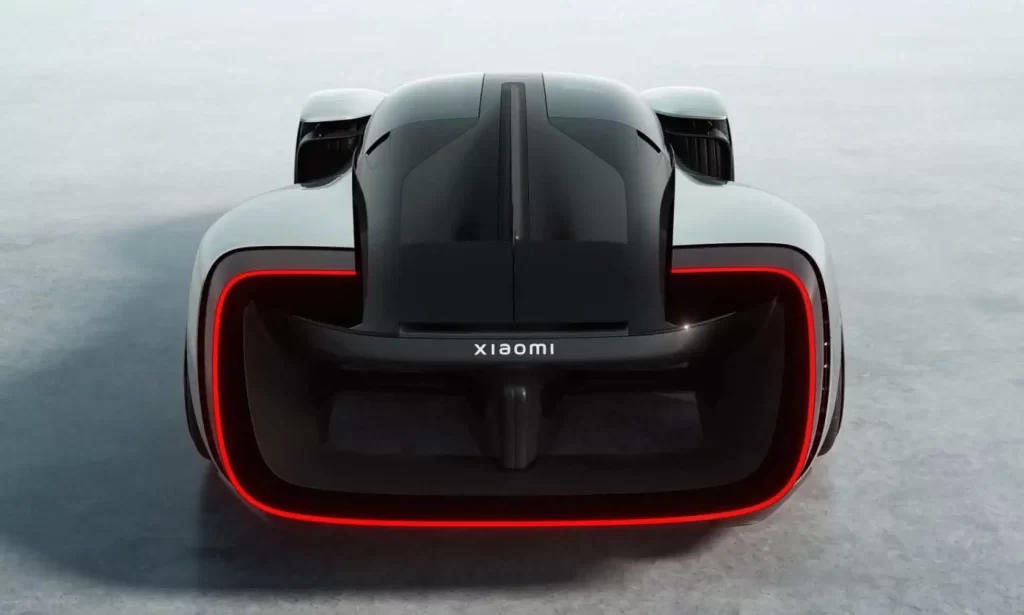
车尾搭载独特的环形星环尾灯,呈现出 “凹” 字灯造型,辨识度超高。更精妙的是,这个光环尾灯被巧妙集成为尾部风道的一部分,成为主动尾流控制系统的关键组件,可通过环形尾灯调节气流方向,平衡风阻与下压力微博。
4. 悬停式轮毂罩:科技与效率的结晶
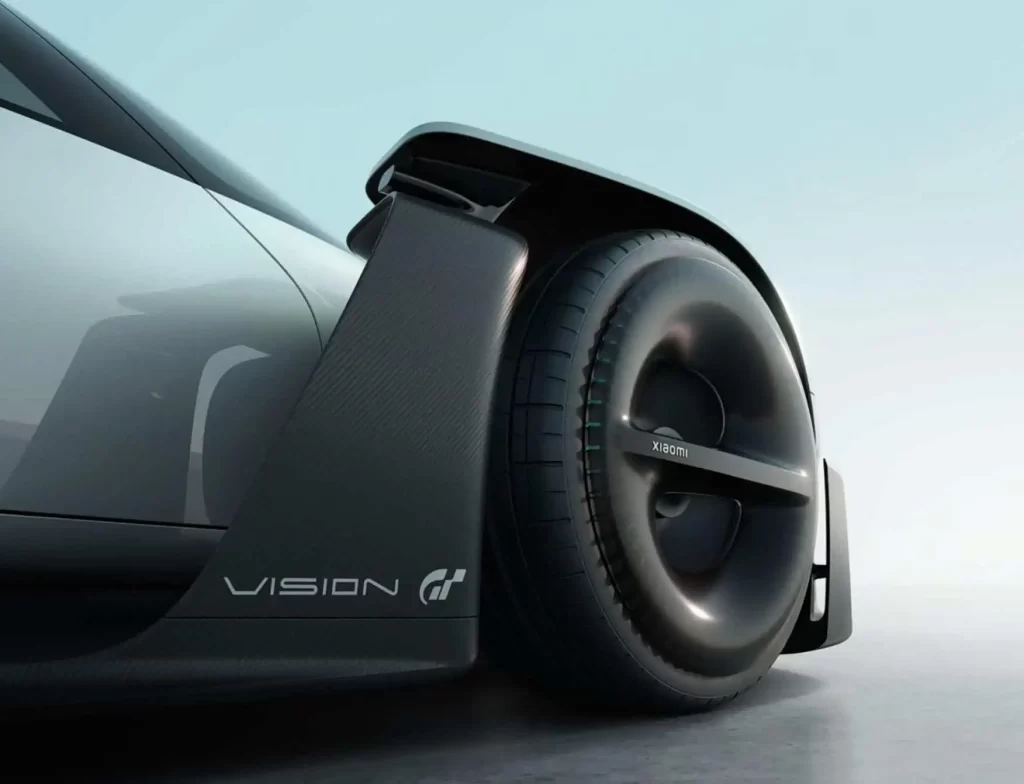
Vision GT 配备了半透磁悬悬停式轮毂罩,这是小米的创新设计。高速行驶时,轮毂罩可通过磁力保持静止,减少风阻的同时,为刹车系统提供持续冷却,兼顾实用性与科技感。轮毂上镶嵌的 “xiaomi” 字母标识,彰显品牌身份的同时,也经过了空气动力学优化。
5. 主动尾翼:隐形的性能助手
车尾搭载巨型主动碳纤维尾翼,可根据车速、转向实时调节角度,在提升空气动力学效率的同时,增强高速稳定性。这个尾翼在低速时可完全贴合车身,保持极简的设计线条,高速时则自动升起,成为性能的强力助推器。
三、内饰设计:未来科技的驾驶舱
1. 环抱式座舱:沉浸式驾驶体验
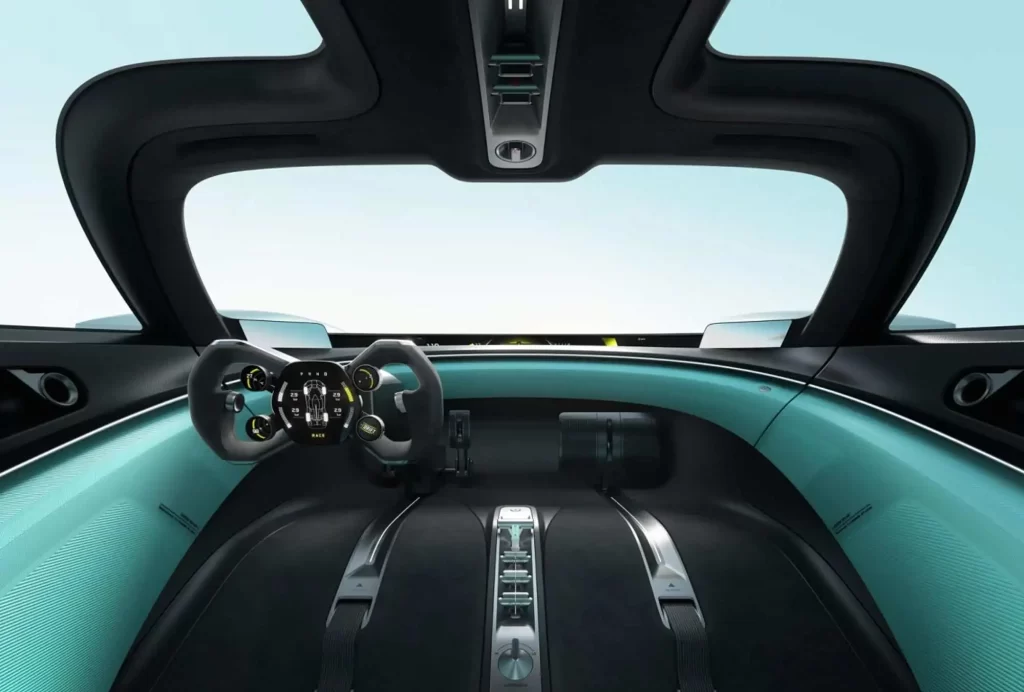
Vision GT 的内饰采用环抱式座舱设计,以驾驶者为中心,所有控制元素都触手可及。座椅采用轻量化碳纤维材质,提供极致包裹性,同时融入了小米智能生态,可实现与手机、智能家居的无缝连接。
2. 天际屏:科技与美学的融合
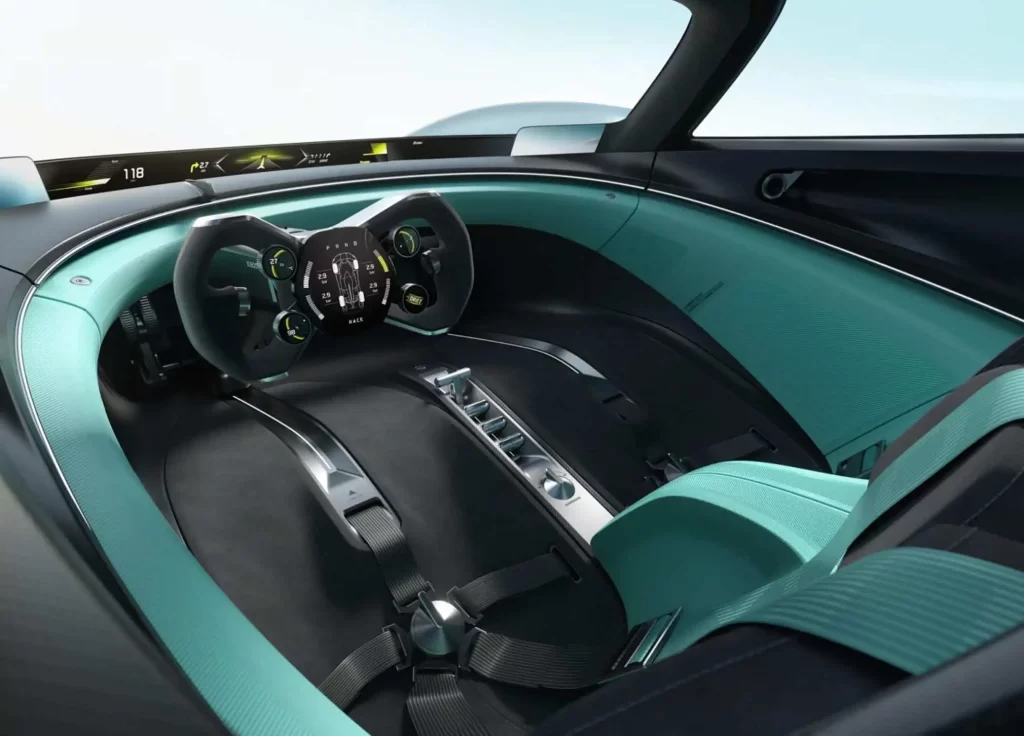
中控台上配备了小米最新研发的 **”天际屏”**,一块贯穿整个中控台的曲面屏,将仪表盘、中控屏和副驾娱乐屏融为一体。屏幕采用了最新的 Micro-LED 技术,分辨率高达 8K,同时支持 HDR 10 + 和杜比视界,为驾驶者和乘客提供沉浸式的视觉体验。
3. 极简内饰:少即是多的延续
内饰同样贯彻 “少即是多” 的设计理念,摒弃了传统超跑复杂的物理按键,大部分功能都通过触控和语音控制实现。方向盘采用了赛车式的平底设计,配备了多功能按键和拨片,让驾驶者能够专注于驾驶本身。
四、设计创新:重新定义超跑美学
小米 Vision GT 的设计创新不仅仅在于外观和内饰,更在于其设计与技术的深度融合:
- 无传统后视镜设计:采用了高清摄像头取代传统后视镜,不仅减少了风阻,更提供了更广阔的视野,同时摄像头可根据车速和驾驶模式自动调整角度。
- 主动式底盘:底盘配备了主动式扰流板,可根据车速、转向实时调节,平衡风阻与下压力,让弯道更稳、直线更快。
- 船型尾部结构:车尾采用独特船型结构,外围环绕巨大环形出风口,能够有效引导气流,减少尾部乱流,提升空气动力学效率。
五、设计意义:中国设计的全球宣言
作为首个受邀参与《Gran Turismo》企划的中国品牌,小米 Vision GT 不仅是一台概念超跑,更是中国设计向全球发出的宣言。它证明了中国品牌不仅能在技术上追赶国际一流,更能在设计上创造独特的美学语言。
李田原表示:”Vision GT 的设计是小米汽车对未来超跑的理解,它不只是速度的象征,更是科技与艺术的完美结合。” 虽然小米官方已经明确表示这款超跑不会量产,但它的设计语言无疑将影响未来小米汽车的产品线,特别是在空气动力学和极简设计方面。
小米 Vision GT 概念超跑以 “由风塑形” 为核心理念,将空气动力学与极简美学完美融合,创造出了一台既符合超跑性能需求,又极具未来感的设计艺术品。它不仅是小米汽车设计实力的展示,更是中国汽车设计走向全球舞台的重要一步。
Xiaomi Supercar Vision GT Minimalist Industrial Design Revolution
NINEIDEA: Recently, Xiaomi launched its first concept supercar, Vision GT, at the MWC World Mobile Communication Conference in Barcelona, Spain. This is not only Xiaomi’s first Chinese brand invited to participate in the planning of Gran Turismo (GT racing car), but also a design concept revolution centered on “shaping by wind”. This supercar, designed specifically for gaming but with a realistic and movable real car, takes extreme aerodynamics as its soul and interprets the design philosophy of “less is more” to new heights.
1、 Design concept: Minimalism of Riding the Wind
Li Tianyuan, the design director of Xiaomi Auto, repeatedly emphasized at the press conference that “there are no lines on this car, and only one opening exists purely for decoration.” The core design concept of Vision GT is “to achieve aerodynamic goals without relying on additional components,” which requires the team to abandon the traditional idea of stacking spoilers in supercars and make the body the best aerodynamic device.
After tens of thousands of CFD digital wind tunnel simulations and optimizations, 98% of the vehicle’s surface has flow guiding function, with a drag coefficient as low as 0.29 Cd, a downforce of 1.2 tons, and an aerodynamic efficiency of 4.1, reaching the top level of supercars. This design concept of “shaping by the wind” makes every curved surface feel like it has been carved by natural wind, presenting a natural and flowing beauty.
2、 Exterior design: flowing aerodynamic artwork
- Suspended droplet cockpit: sculpture of the wind
The most recognizable design of the Vision GT is undoubtedly the floating waterdrop cockpit, with the cockpit designed in a floating “teardrop” shape and a huge aerodynamic duct at the bottom. This design allows airflow to smoothly flow through the roof and penetrate the bottom of the cabin, minimizing wind resistance while creating stable downforce.
The roof is equipped with the iconic “shark fin” of Le Mans racing, which not only enhances the stability of high-speed driving, but also strengthens the track genes of the entire vehicle. The ratio of body width to height reaches an astonishing 3:1, with an extremely low and prone posture combined with a central cockpit layout, creating a visual impact that seems to come from a science fiction movie.
- Butterfly Gate: Integration of Ritual and Function
The Vision GT adopts the same butterfly door design as the Ferrari LaFerrari, with an integrated structure for the top and doors of the driver and passenger cars. When opened, it has a strong visual impact, combining a sense of ceremony and track aesthetics. This door opening method not only makes getting in and out of the car more convenient, but more importantly, optimizes the side airflow and reduces air resistance during driving.
- Cross shaped headlights and halo taillights: function is aesthetics
The headlights on both sides of the front face present an iconic “cross” shape, known as the “cross headlights” by Xiaomi. This design is not purely decorative, but also has a flow guiding function, seamlessly integrating with the body and guiding airflow towards both sides of the vehicle.
The rear of the car is equipped with a unique circular star shaped tail light, presenting a “concave” shape with high recognition. More intricately, this halo tail light is ingeniously integrated as part of the rear air duct, becoming a key component of the active wake control system. It can adjust the direction of airflow through the circular tail light, balancing wind resistance and downforce.
- Hovering wheel hub cover: the crystallization of technology and efficiency
The Vision GT is equipped with a semi transparent magnetic suspended wheel hub cover, which is Xiaomi’s innovative design. When driving at high speeds, the wheel hub cover can remain stationary through magnetic force, reducing wind resistance while providing continuous cooling for the braking system, balancing practicality and technological sense. The “xiaomi” letter logo embedded on the wheel hub not only highlights the brand identity, but also undergoes aerodynamic optimization.
- Active tail wing: an invisible performance assistant
The rear of the car is equipped with a giant active carbon fiber tail wing, which can adjust the angle in real-time according to the speed and steering, improving aerodynamic efficiency while enhancing high-speed stability. This tail wing can fully fit the body at low speeds, maintaining a minimalist design line, and automatically rises at high speeds, becoming a powerful performance booster.
3、 Interior Design: The Cockpit of Future Technology
- Embracing cockpit: immersive driving experience
The interior of the Vision GT features a wrap around cockpit design, with the driver at the center and all control elements within reach. The seats are made of lightweight carbon fiber material, providing ultimate wrapping and integrating with Xiaomi’s smart ecosystem, achieving seamless connection with mobile phones and smart homes.
- Skyscreen: Integration of Technology and Aesthetics
The center console is equipped with Xiaomi’s latest developed “Skyscreen”, a curved screen that runs through the entire center console, integrating the dashboard, center console screen, and passenger entertainment screen. The screen adopts the latest Micro LED technology, with a resolution of up to 8K, and supports HDR 10+and Dolby Vision, providing drivers and passengers with an immersive visual experience.
- Minimalist interior: less is more, a continuation of more
The interior also adheres to the design concept of “less is more”, abandoning the complex physical buttons of traditional supercars, and most functions are achieved through touch and voice control. The steering wheel adopts a racing style flat bottom design, equipped with multifunctional buttons and paddles, allowing the driver to focus on driving itself.
4、 Design Innovation: Redefining the Aesthetics of Supercars
The design innovation of Xiaomi Vision GT lies not only in its exterior and interior, but also in its deep integration of design and technology:
No traditional rearview mirror design: High definition cameras are used instead of traditional rearview mirrors, which not only reduces wind resistance but also provides a wider field of view. At the same time, the camera can automatically adjust the angle according to the vehicle speed and driving mode.
Active chassis: The chassis is equipped with active spoilers that can be adjusted in real-time according to vehicle speed and steering, balancing wind resistance and downforce, making bends more stable and straight lines faster.
Ship shaped tail structure: The tail of the vehicle adopts a unique ship shaped structure, surrounded by a huge circular air outlet, which can effectively guide the airflow, reduce turbulence at the tail, and improve aerodynamic efficiency.
5、 Design significance: a global declaration of Chinese design
As the first Chinese brand invited to participate in the Gran Turismo project, Xiaomi Vision GT is not only a concept supercar, but also a declaration made by Chinese design to the world. It proves that Chinese brands can not only catch up with international first-class technology, but also create unique aesthetic language in design.
Li Tianyuan said, “The design of the Vision GT is Xiaomi’s understanding of future supercars. It is not just a symbol of speed, but also a perfect combination of technology and art. Although Xiaomi has explicitly stated that this supercar will not be mass-produced, its design language will undoubtedly affect Xiaomi’s future car product line, especially in terms of aerodynamics and minimalist design.
The Xiaomi Vision GT concept supercar takes “shaping by the wind” as its core concept, perfectly integrating aerodynamics with minimalist aesthetics, creating a design artwork that meets the performance requirements of supercars and is highly futuristic. It is not only a showcase of Xiaomi’s automotive design strength, but also an important step for Chinese automotive design to enter the global stage.