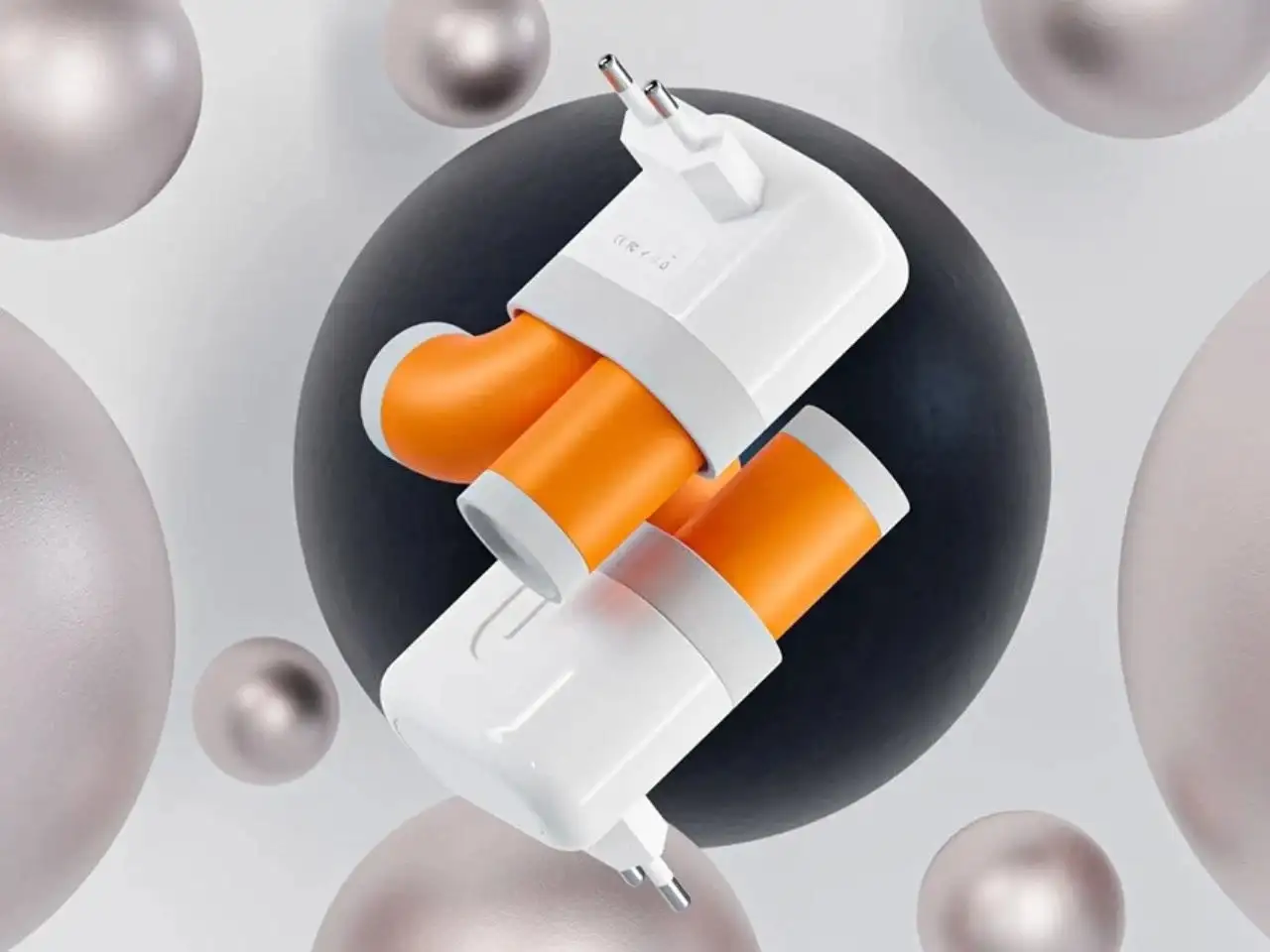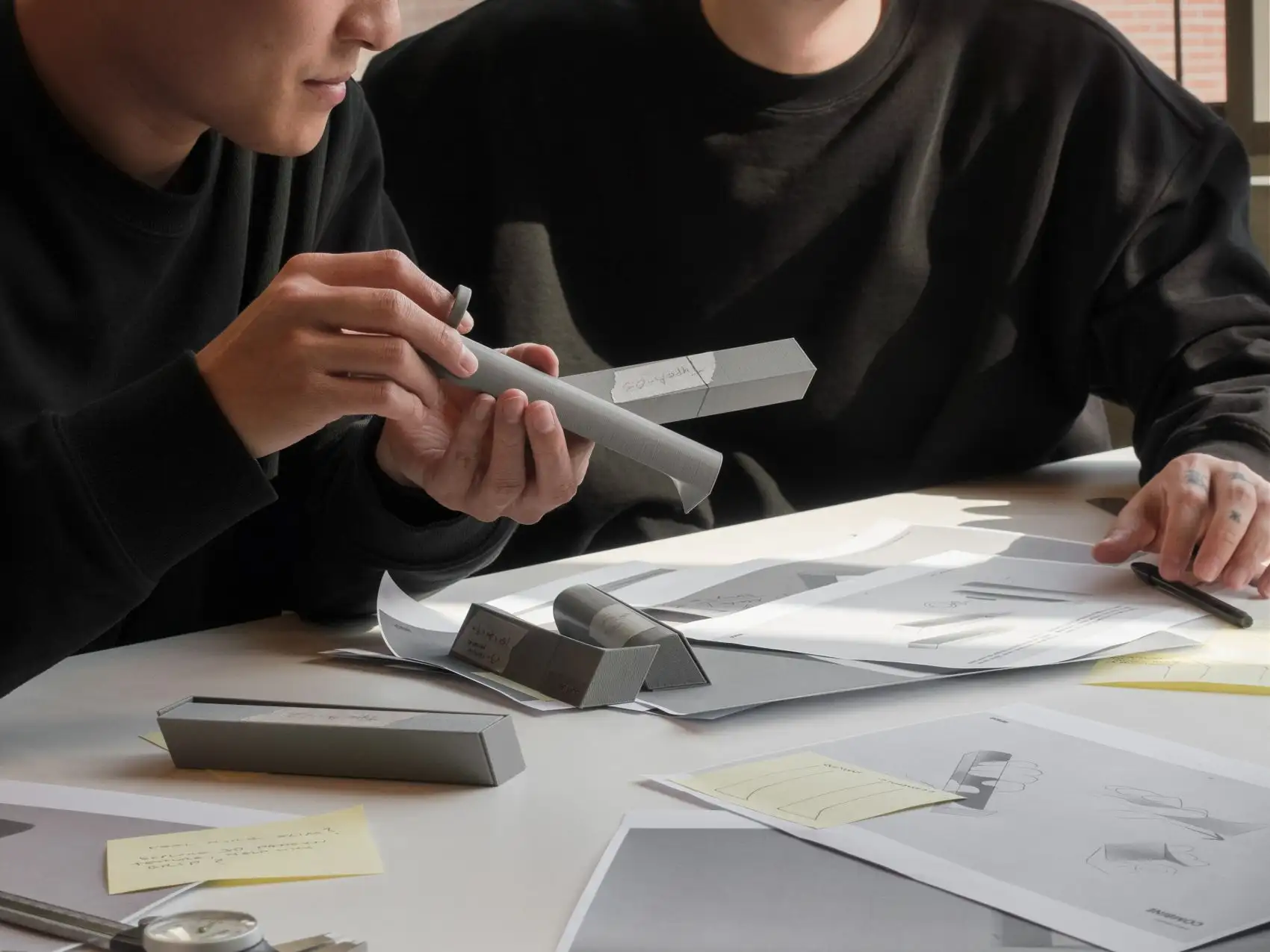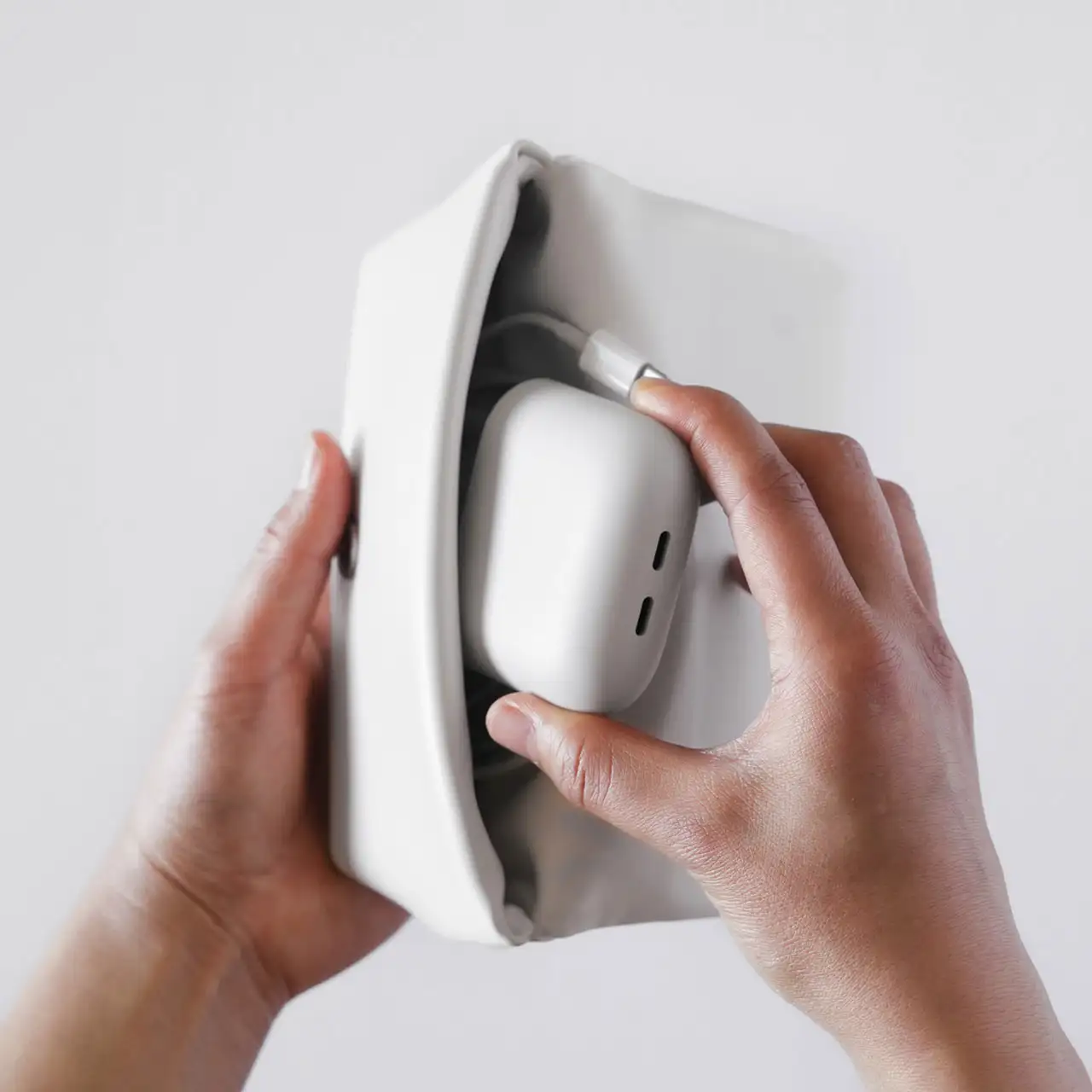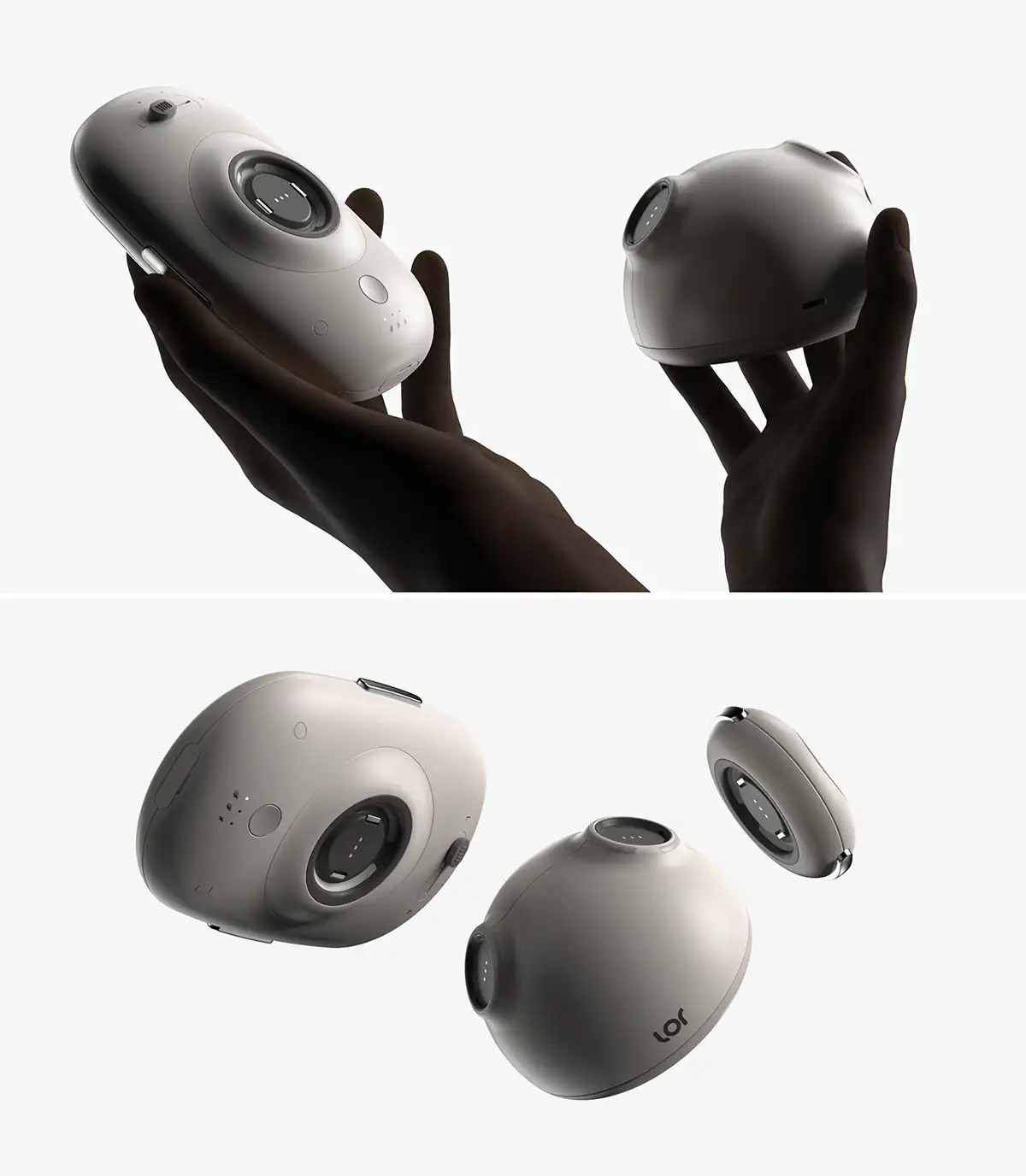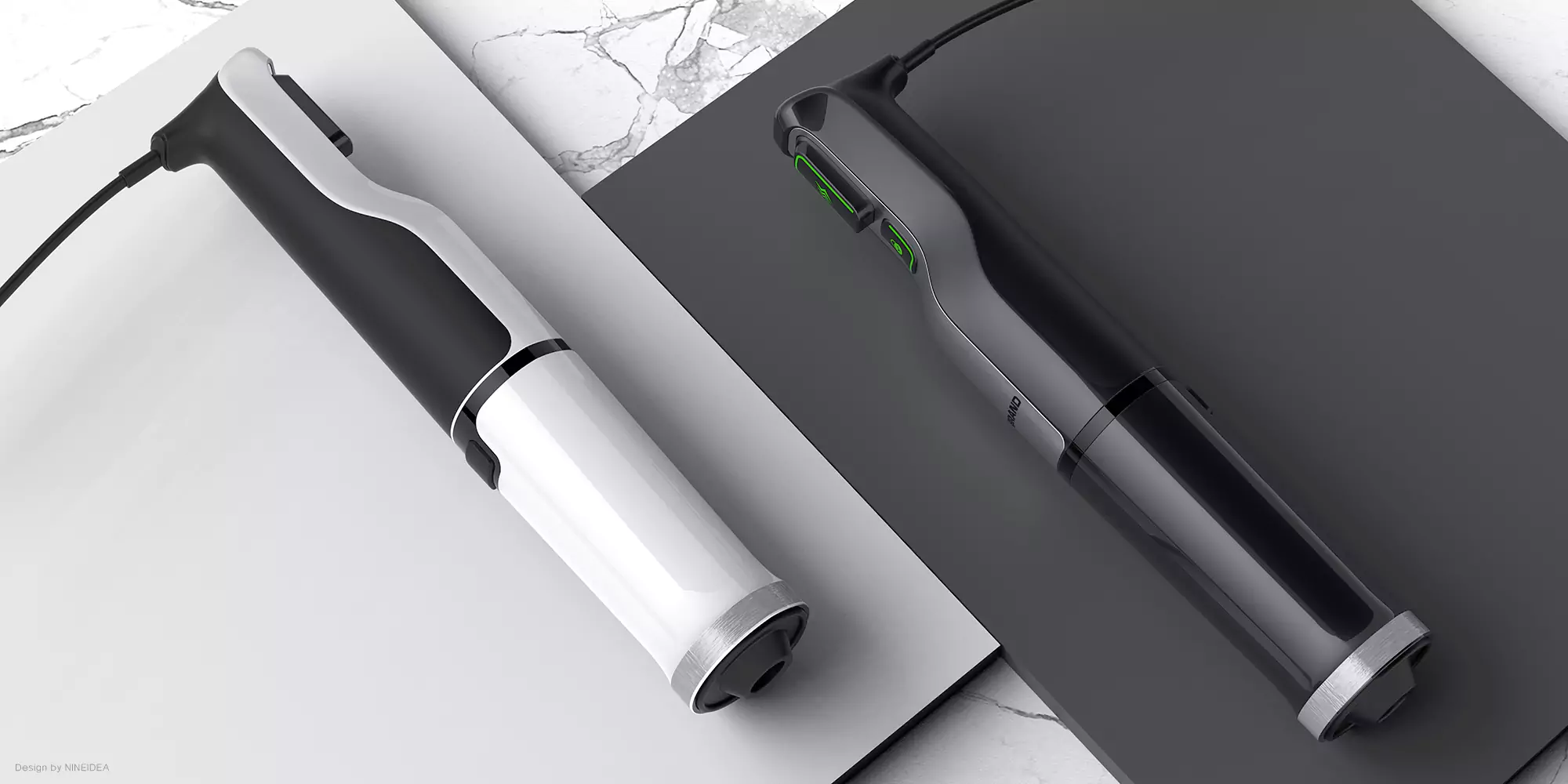










九号创新:站在2025年末展望2026年,深圳作为中国“设计之都”,其工业设计行业正迎来一个由政策、技术和市场共同驱动的深刻变革期。在2026年深圳工业设计的机遇与挑战交织,共同描绘出一幅充满活力与不确定性的未来图景。
@NINEIDEA九号创新 www.nineidea.com
核心机遇:政策、技术与市场的三重驱动
产业规模概览
- 1.2万+设计机构数量
- 300亿+年营收规模
- 38%消费电子领域占比
1. 政策强力护航,构建千亿级产业集群
深圳市政府已为工业设计的未来发展绘制了清晰蓝图。根据《深圳市推动现代工程服务业发展三年行动计划(2024—2026年)》,政府正通过“四链”融合(创新链、产业链、资金链、人才链)的模式,系统性地推动产业升级。
产业集聚
高标准建设“深圳国际工程设计总部集聚区”和“深圳建筑产业生态智谷”,吸引龙头企业集聚,形成规模效应。
产业目标
计划到2026年,全市模块化建筑累计开工面积不少于 200万平方米 ,并力争在2030年形成万亿级的“设计+制造”融合型产业集群。
2. 技术深度融合,AI与数字化重塑设计流程
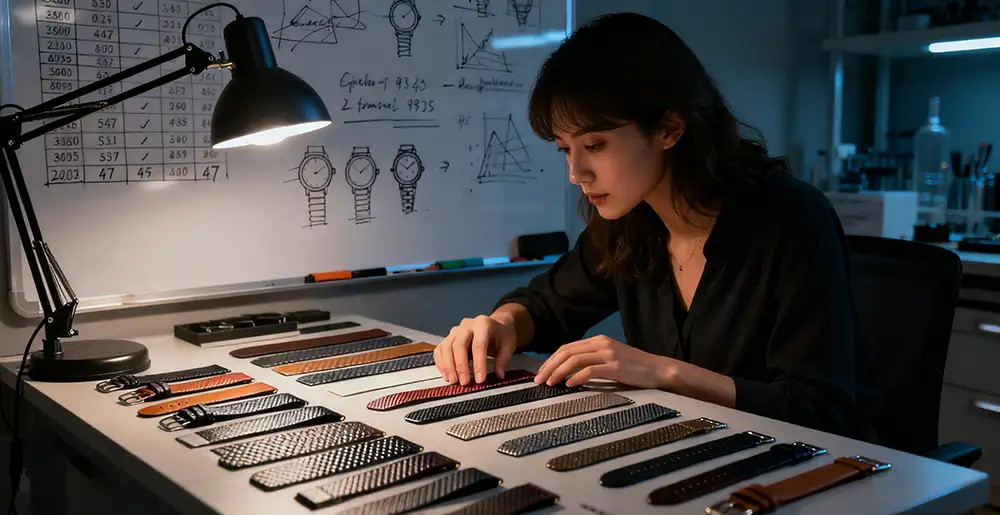
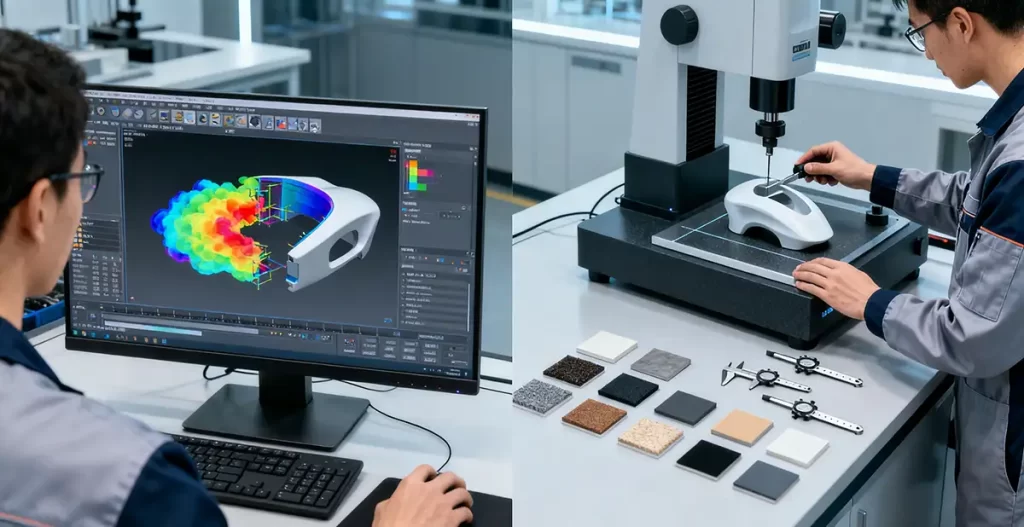
人工智能(AI)、数字孪生和新材料技术正成为2026年深圳工业设计的核心驱动力,极大地提升了设计效率和创新能力。
- AI生成设计: 大疆创新等企业已应用AI生成设计方案,效率提升约40%,优质方案产出率增长28%。
- 数字孪生技术: 华为等企业建立的产品全生命周期数字化设计平台,可将产品全生命周期管理效率提升50%,研发成本降低30%。
- 新材料应用: 柔宇科技的柔性显示技术等新材料突破,为产品形态和功能创新提供了广阔空间。
3. 市场需求旺盛,展会与产业活动提供广阔平台
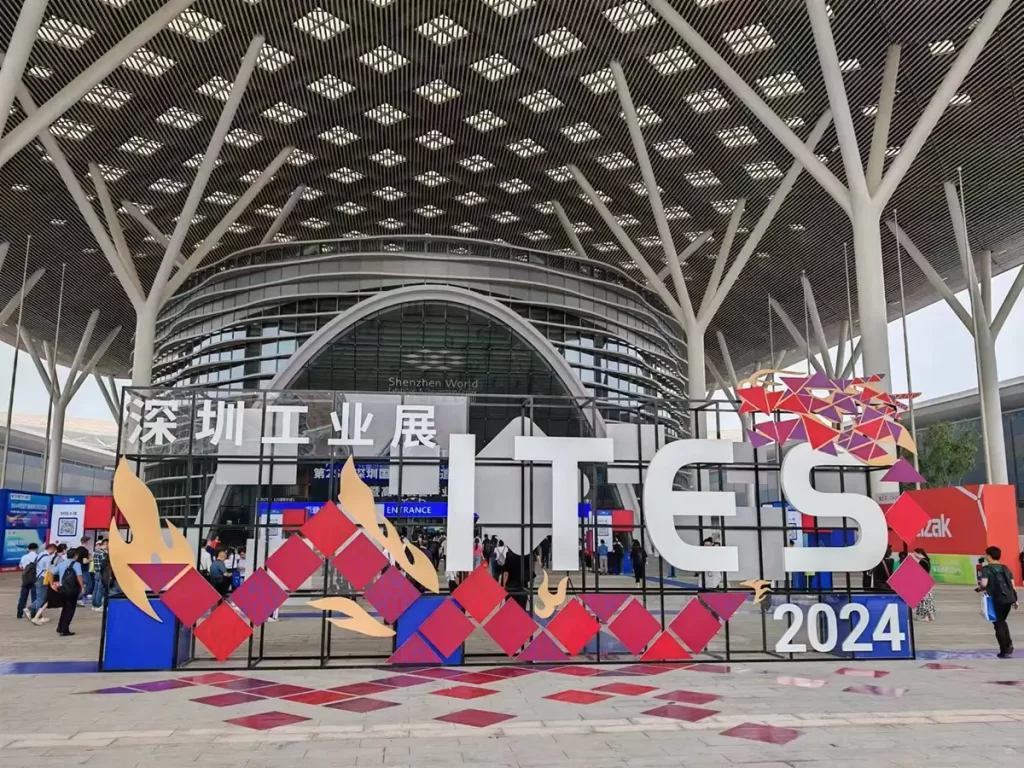
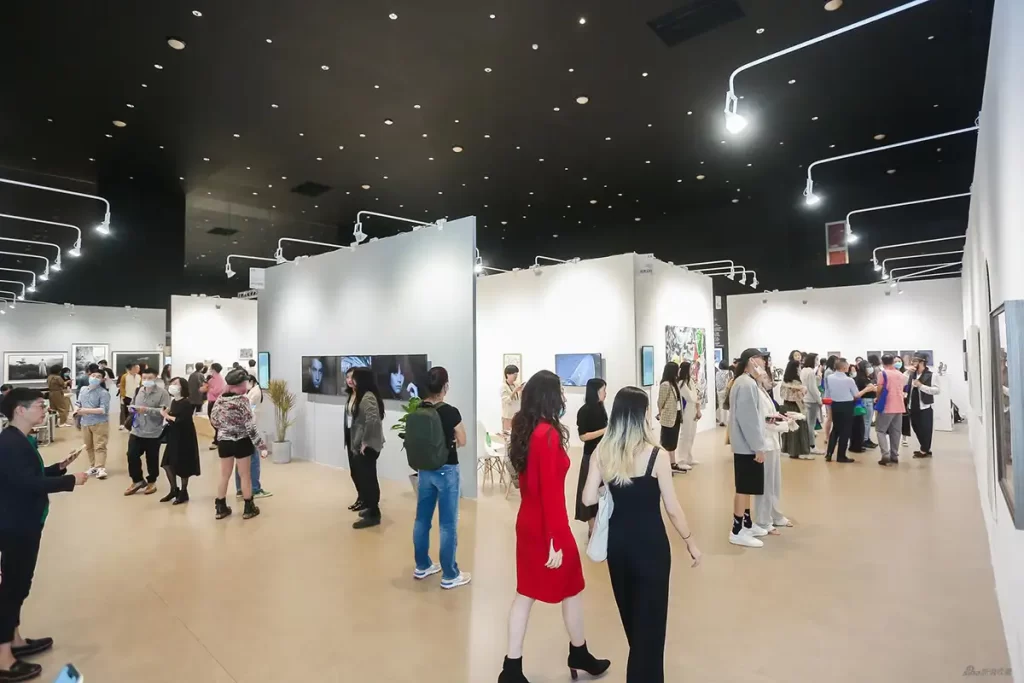
以ITES深圳工业展为代表的行业盛会,为2026年的设计创新提供了展示、交流和交易的绝佳平台。预计2026年3月31日至4月3日举办的第27届展会,将汇聚超1500家参展商,展示高端装备、机器人及自动化等领域的前沿成果,为设计与制造的深度融合创造机会。
核心挑战:人才、竞争与知识产权的三重压力
行业挑战速览
- 人才缺口:高端设计人才缺口达1.8万人
- 价格竞争:同质化竞争导致服务均价下降12%
- 知识产权:维权成本仍占项目预算的15%-20%
1. 高端人才缺口巨大,制约创新深度
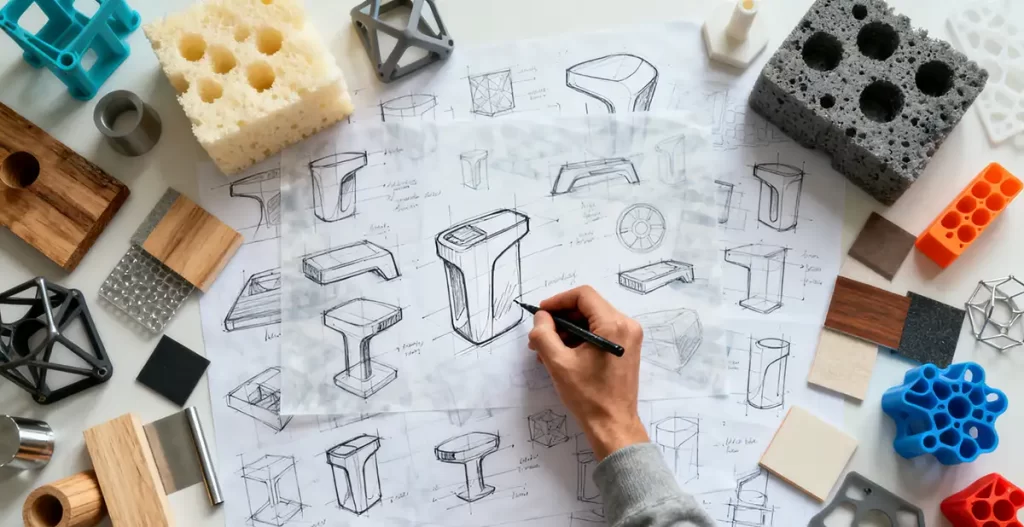
尽管设计机构数量庞大,但高端人才的结构性短缺问题日益凸显。特别是兼具色彩、材料、工艺(CMF)知识和AI技术背景的复合型人才,成为制约行业进一步发展的关键瓶颈。
2. 同质化竞争加剧,设计价值面临挑战
随着设计机构数量的激增,市场竞争日趋激烈。部分领域出现同质化竞争,导致设计服务的平均价格有所下降,这在一定程度上压缩了设计机构的利润空间,并可能影响其在研发和创新上的投入。
3. 知识产权保护与维权成本仍是痛点
尽管深圳在知识产权保护方面持续努力,但抄袭和侵权问题依然是设计师和设计机构面临的主要挑战。高昂的维权成本(约占项目预算的15%-20%)和复杂的法律程序,使得原创设计的保护和价值实现面临不确定性。
未来发展趋势展望
设计范式升级
- 绿色设计:应对全球环保法规,如欧盟碳关税,成为必然选择。
- 元宇宙融合:VR/AR设计工具普及率预计在2026年达到65%。
- 服务模式升级:从单品设计向系统解决方案设计转型。
展望2026年,深圳工业设计行业将更加注重用户体验、智能化和可持续性。 随着“十五五”规划的推进,科技创新与消费提振将成为经济发展的双轮驱动,为工业设计带来新的增长点。 同时,行业也需积极应对人才、竞争和知识产权保护等挑战,通过构建工业设计大数据平台、完善设计成果交易机制和推动深港设计产业标准互认等方式,进一步优化产业生态。
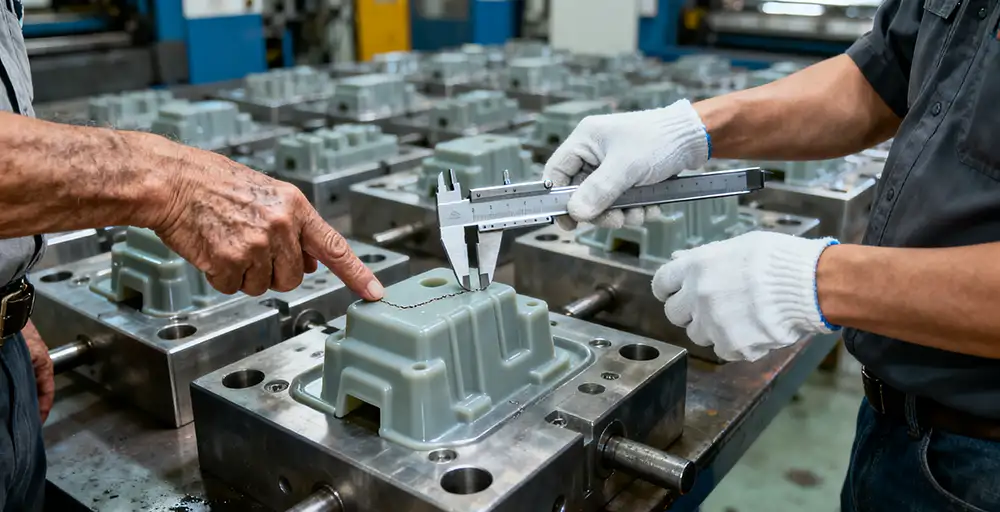
“设计不仅是外观,更是关于产品如何运作的科学。”—史蒂夫·乔布斯
2026 Shenzhen Industrial Design: Opportunities and Challenges Coexist
NINEIDEA: standing at the end of 2025 and looking forward to 2026, Shenzhen, as China’s “Design City”, is ushering in a profound transformation period in its industrial design industry driven by policy, technology and market. The opportunities and challenges of industrial design in Shenzhen in 2026 are intertwined, together depicting a dynamic and uncertain future landscape.
Core Opportunity: Triple Drivers of Policy, Technology, and Market
Overview of Industry Scale
- Over 12000 design agencies
- 30 billion+annual revenue scale
- 38% of the consumer electronics sector
- Strong policy support to build a billion dollar industrial cluster
The Shenzhen Municipal Government has drawn a clear blueprint for the future development of industrial design. According to the “Three Year Action Plan for Promoting the Development of Modern Engineering Services Industry in Shenzhen (2024-2026)”, the government is systematically promoting industrial upgrading through the integration of the “four chains” (innovation chain, industry chain, capital chain, talent chain).
industrial agglomeration
High standard construction of the “Shenzhen International Engineering Design Headquarters Cluster” and “Shenzhen Construction Industry Ecological Intelligence Valley” will attract leading enterprises to gather and form economies of scale.
Industry Goals
By 2026, the cumulative construction area of modular buildings in the city is planned to be no less than 2 million square meters, and efforts will be made to form a trillion level “design+manufacturing” integrated industrial cluster by 2030.
- Deep integration of technology, AI and digitalization reshape the design process
Artificial intelligence (AI), digital twins, and new material technologies are becoming the core driving forces of industrial design in Shenzhen by 2026, greatly enhancing design efficiency and innovation capabilities.
- AI generated design: Enterprises such as DJI Innovation have applied AI generated design solutions, increasing efficiency by about 40% and increasing the output rate of high-quality solutions by 28%.
- Digital twin technology: The digital design platform for the entire product lifecycle established by companies such as Huawei can improve product lifecycle management efficiency by 50% and reduce research and development costs by 30%.
- Application of new materials: The breakthroughs in flexible display technology and other new materials by Rouyu Technology provide vast space for product form and function innovation.
- The market demand is strong, and exhibitions and industrial activities provide a broad platform
The industry event represented by ITES Shenzhen Industrial Exhibition provides an excellent platform for showcasing, exchanging and trading design innovation in 2026. The 27th exhibition, expected to be held from March 31 to April 3, 2026, will gather over 1500 exhibitors to showcase cutting-edge achievements in high-end equipment, robotics, and automation, creating opportunities for the deep integration of design and manufacturing.
Core challenge: The triple pressure of talent, competition, and intellectual property
Industry Challenge Overview
- Talent gap: There is a shortage of 18000 high-end design talents
- Price competition: Homogenization competition leads to a 12% decrease in average service price
- Intellectual property rights: The cost of safeguarding rights still accounts for 15% -20% of the project budget
- There is a huge shortage of high-end talents, which restricts the depth of innovation
Despite the large number of design agencies, the structural shortage of high-end talent is becoming increasingly prominent. Especially composite talents with knowledge of color, materials, and processes (CMF) and AI technology background have become a key bottleneck restricting the further development of the industry.
- Homogenization competition intensifies, posing challenges to design value
With the rapid increase in the number of design agencies, market competition is becoming increasingly fierce. Homogenization competition has emerged in some fields, leading to a decrease in the average price of design services, which to some extent compresses the profit margin of design agencies and may affect their investment in research and innovation.
- The cost of intellectual property protection and rights protection remains a pain point
Despite Shenzhen’s continuous efforts in intellectual property protection, plagiarism and infringement remain the main challenges faced by designers and design agencies. The high cost of safeguarding rights (about 15% -20% of the project budget) and complex legal procedures make the protection and value realization of original designs face uncertainty.
Future Development Trends and Prospects
Design paradigm upgrade
- Green design: responding to global environmental regulations, such as EU carbon tariffs, has become an inevitable choice.
- Metaverse Fusion: The penetration rate of VR/AR design tools is expected to reach 65% by 2026.
- Service Mode Upgrade: Transitioning from Single Product Design to System Solution Design.
Looking ahead to 2026, the industrial design industry in Shenzhen will place greater emphasis on user experience, intelligence, and sustainability. With the advancement of the 15th Five Year Plan, technological innovation and consumption boosting will become the dual drivers of economic development, bringing new growth points to industrial design. At the same time, the industry also needs to actively respond to challenges such as talent, competition, and intellectual property protection. By building an industrial design big data platform, improving the trading mechanism for design results, and promoting mutual recognition of design industry standards between Shenzhen and Hong Kong, the industry ecology can be further optimized.
Design is not just about appearance, but also about the science of how a product operates. “- Steve Jobs