









九号创新:先说结论并给考生的建议:仔细研究不同院校的专业课程设置、师资力量和毕业作品,选择与自己兴趣和职业规划最匹配的。工业设计 vs 产品设计 vs 艺术设计,未来最成功的设计师,将是那些能融合科技、商业与人文,用设计思维创造有意义体验和解决方案的“T型人才”。
@NINEIDEA九号创新 www.nineidea.com
一、院校中的定义与辨析
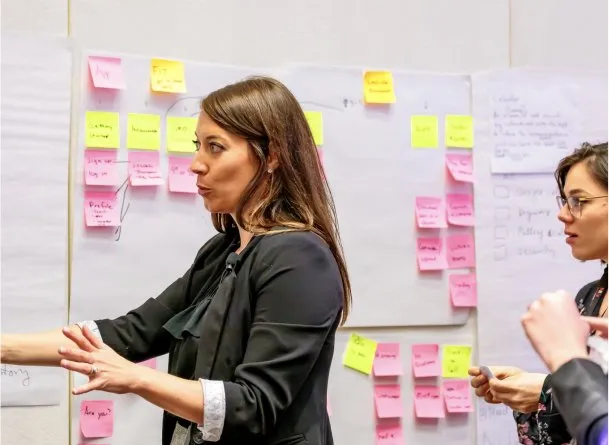
在院校中,这些专业通常归属于 “设计学” 这个大范畴下,但侧重点和培养目标有显著区别。
1. 工业设计
- 核心定义:旨在解决人、产品、环境、社会之间的系统性问题。它不只关注产品本身,更关注整个产品从构思、制造到使用、回收的全生命周期。
- 院校侧重:
- 工学与美学的结合:通常设在工科院校或综合性大学的设计学院,课程涵盖工程力学、材料工艺、人机工程学、设计心理学、设计方法论、模型制作等。
- 系统性思维:强调用户研究、市场分析、产品定义、概念设计、工程实现。设计对象可以是实体产品(如家电、工具),也可以是服务、交互和系统。
- 目标:创造有用、易用、令人满意且具有商业和社会价值的产品与服务。
2. 产品设计
- 核心定义:可以看作是工业设计在实物产品领域的细化与延伸。聚焦于具体的、可批量生产的消费产品或专业产品的创造。
- 院校侧重:
- 艺术与技术的融合:更多设在艺术类院校或综合大学的设计学院。艺术审美和造型能力的训练占比更高。
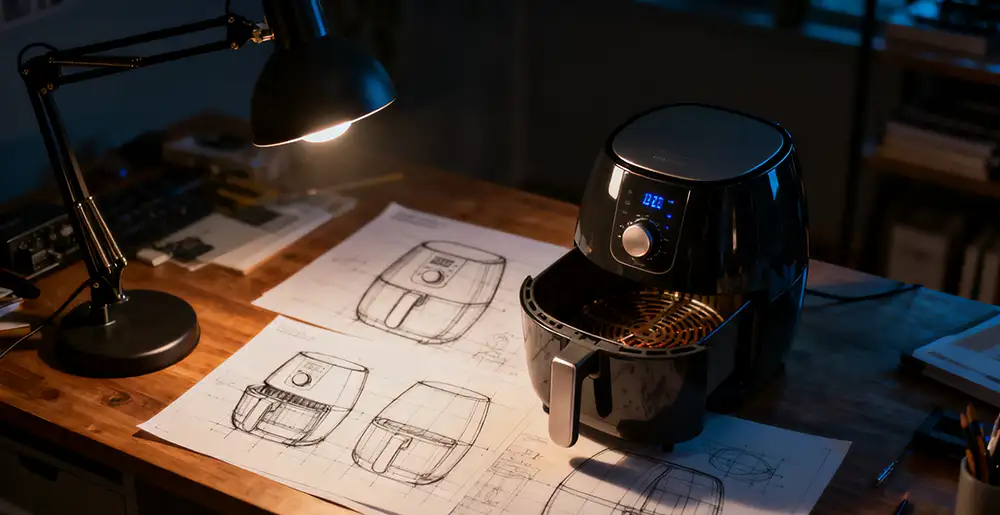
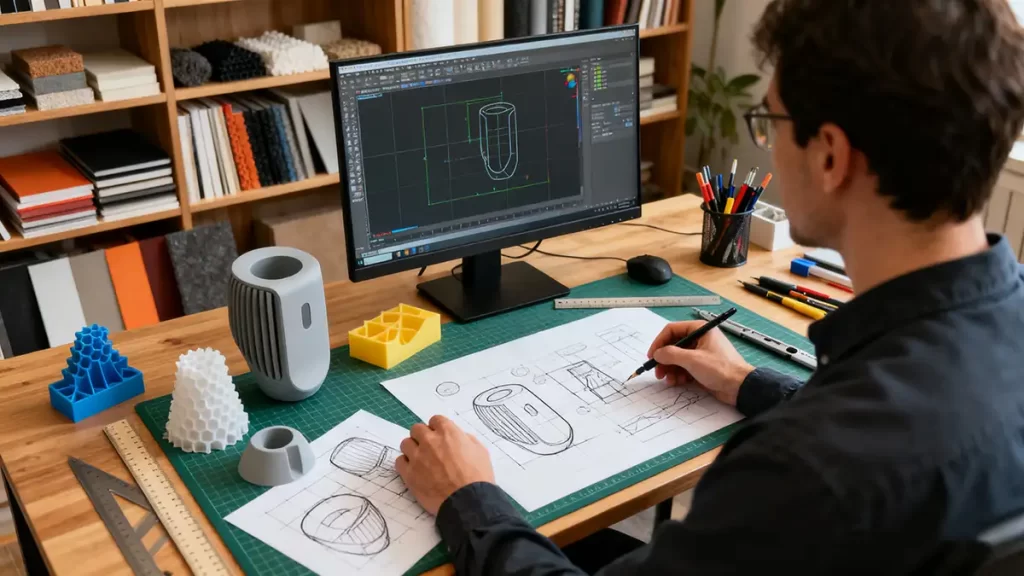
- 实物为中心:深入探索产品的形态、色彩、质感、用户体验和情感化表达。课程包括创意草图、三维建模、高级渲染、CMF(色彩、材料、工艺)研究等。
- 与工业设计的关系:在很多院校,二者界限模糊,常合并为“工业(产品)设计”专业。简单区分:工业设计更“广”更“系统”,产品设计更“深”更“具体”。
3. 艺术设计
- 核心定义:这是一个历史更悠久、范围更宽泛的概念,指一切基于美学原则的创作活动。它强调个人表达、审美价值和社会文化批判。
- 院校侧重:
- 纯艺与设计的桥梁:传统上以装饰、美化为主。现在通常作为一个学科门类或学院名称存在(如艺术学院下设视觉传达设计、环境设计、服装设计等)。
- 分支众多:包括视觉传达设计(平面)、环境艺术设计(室内/景观)、服装与服饰设计、数字媒体艺术、工艺美术等。
- 目标:解决视觉传播、空间体验、生活方式中的美学问题,更注重文化内涵和艺术感染力。
4. 外观设计 / 造型设计
- 核心定义:这是产品设计(或工业设计)流程中的一个关键环节,专指对产品的形态、色彩、图案、质感等视觉和触觉特征进行的设计。
- 院校侧重:
- 通常不是一个独立本科专业,而是作为工业设计/产品设计专业中的一门核心课程或专业方向存在。
- 技能导向:专注于培养出色的形态创造能力、美学修养和三维表现技能(如高级曲面建模、油泥模型、渲染表现)。
二、学习路径与核心能力
无论选择哪个方向,现代设计教育都强调以下核心能力的培养:
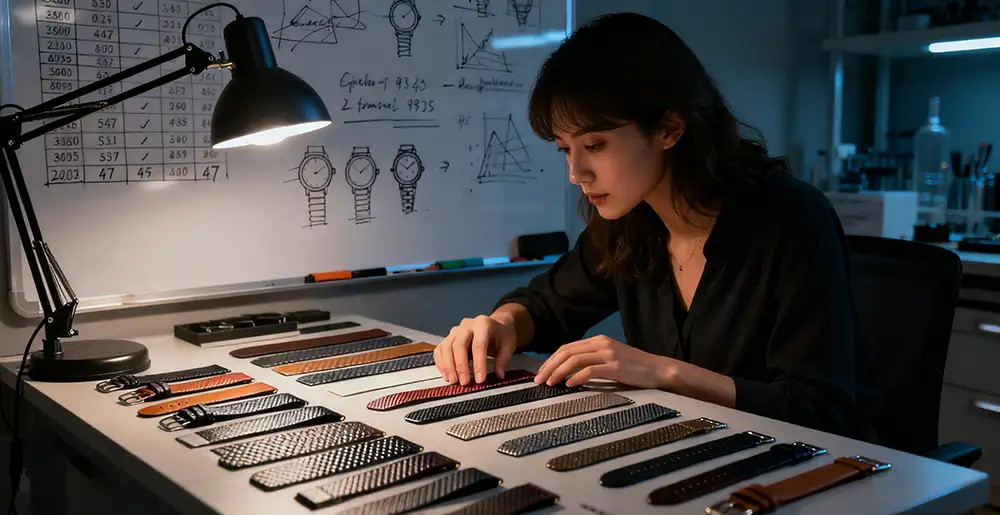
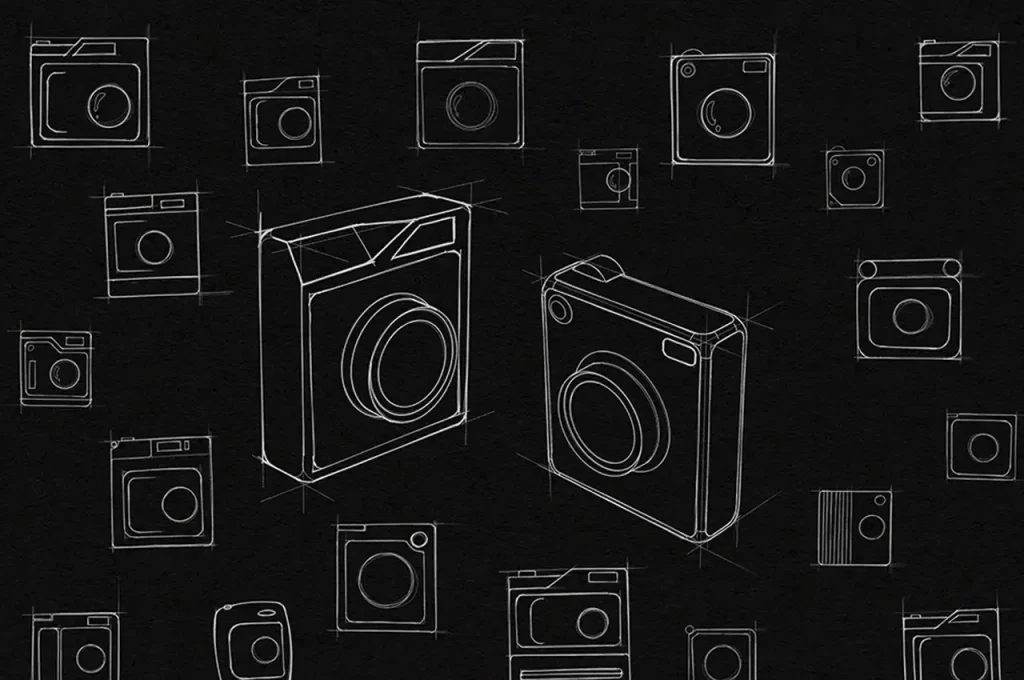
- 基础能力:手绘草图、二维/三维软件(PS, AI, Rhino, Keyshot, C4D等)、模型制作。
- 核心思维:设计思维(以人为中心、同理心、原型测试)、系统思维、批判性思维。
- 跨学科知识:用户研究、心理学、社会学、基础工程、市场学。
- 前沿领域:智能硬件设计、服务设计、用户体验/交互设计、可持续设计、CMF设计等。
学习建议:在大学期间,积极参赛(如红点、IF等)、参与实际项目、积累高质量作品集,这比分数更重要。
三、就业前景与未来趋势
设计专业的就业市场正在迅速扩张和演变,前景广阔但竞争激烈。
1. 主要就业方向:
- 企业内设计部门:
- 科技/互联网公司:用户体验设计师、交互设计师 已成为热门高薪岗位。工业/产品设计师则负责智能硬件、消费电子产品等。
- 制造业/消费品公司:家电、家具、汽车、玩具、文创产品等企业的产品设计师、外观设计师。
- 交通工具设计:汽车、自行车、出行工具的设计,是工业设计的高精尖领域。
- 专业设计公司/咨询公司:
- 加入设计工作室或国际顶级设计咨询公司(如IDEO, Frog, NINEIDEA、鼎典、洛可可等),接触多元项目,成长迅速。
- 新兴与交叉领域:
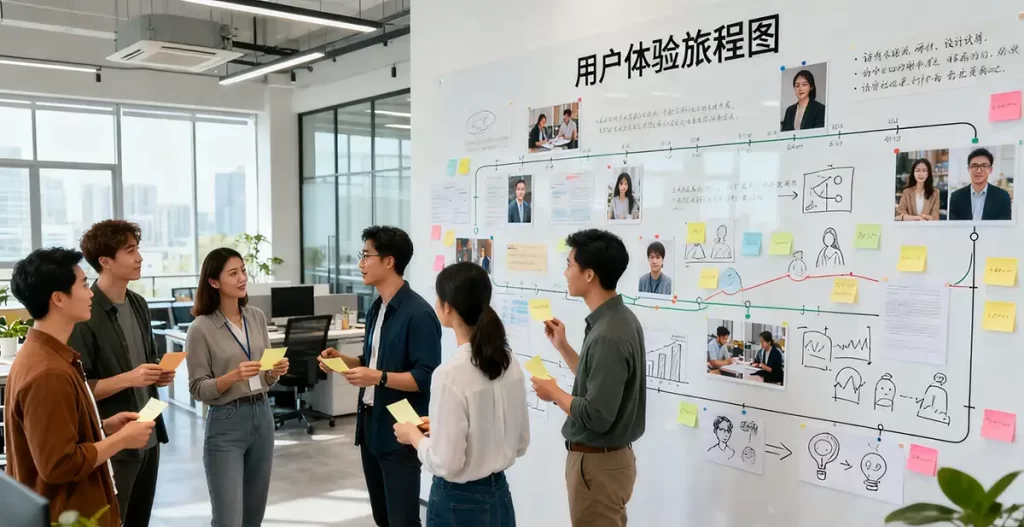
- 服务设计:优化银行、医疗、政务等系统的服务流程与体验。
- 可持续设计/社会创新:关注环保材料、循环经济、为弱势群体设计。
- 设计策略与管理:从商业战略层面运用设计思维。
- 自主创业/独立设计师:创立设计品牌或设计工作室。
2. 未来趋势与机遇:
- 数字化与智能化:AI辅助设计、虚拟现实/增强现实界面设计、智能家居/物联网产品设计需求激增。
- 体验经济:从“设计物品”转向“设计体验”,服务设计、用户体验设计持续走强。
- 可持续与伦理设计:环保法规和社会责任要求使可持续设计成为必选项而非加分项。
- 全球化与本地化:既需要理解全球趋势,也需要深耕本土文化,国潮、文化IP设计是亮点。
3. 挑战与准备:
- 竞争激烈:需要构建不可替代的核心竞争力(如出色的造型能力、深度的用户研究能力、前沿的技术整合能力)。
- 终身学习:技术、工具、趋势迭代极快,必须保持持续学习的态度。
- 软技能:沟通能力(向非设计师解释设计)、团队协作、项目管理能力至关重要。
来自行业老炮的建议
- 工业设计:适合喜欢系统思考、解决复杂问题、对技术和社会有广泛兴趣的学生。路径宽广,可转向产品、交互、服务等多个方向。
- 产品设计:适合对实物创造有极大热情,具备出色美学感知和造型能力,喜欢打磨具体细节的学生。
- 艺术设计:适合在特定视觉艺术领域(如平面、空间、服装等)有强烈兴趣,注重审美表达和文化内涵的学生。
- 外观设计:是产品设计师的核心技能之一,是进入实体产品领域的“硬功夫”。
Industrial Design vs Product Design vs Art Design: Clarifying the Boundary and Seeing the Future Prospects in One Article
NINEIDEA: First, let’s make a conclusion and give some suggestions to the examinees: carefully study the professional curriculum, faculty and graduation works of different colleges and universities, and choose the one that best matches your interests and career plans. Industrial design vs product design vs art design, the most successful designers in the future will be the “T-shaped talents” who can integrate technology, business, and humanities, and use design thinking to create meaningful experiences and solutions.
1、 Definition and Analysis in Colleges and Universities
In universities, these majors are usually classified under the broad category of “design studies”, but there are significant differences in emphasis and training objectives.
- Industrial design
Core definition: aims to solve systematic problems between people, products, environment, and society. It not only focuses on the product itself, but also on the entire lifecycle of the product from conception, manufacturing to use and recycling.
Colleges focus on:
The combination of engineering and aesthetics: usually located in design schools of engineering colleges or comprehensive universities, courses cover engineering mechanics, materials technology, ergonomics, design psychology, design methodology, model making, etc.
Systematic thinking: emphasizes user research, market analysis, product definition, conceptual design, and engineering implementation. The design object can be physical products (such as appliances, tools), as well as services, interactions, and systems.
Goal: To create useful, easy-to-use, satisfactory, and commercially and socially valuable products and services.
- Product design
Core definition: It can be seen as the refinement and extension of industrial design in the field of physical products. Focusing on the creation of specific, mass-produced consumer or professional products.
Colleges focus on:
The integration of art and technology: more design schools located in art colleges or comprehensive universities. The proportion of training in artistic aesthetics and modeling abilities is higher.
Physical centered: Deeply explore the form, color, texture, user experience, and emotional expression of the product. The course includes creative sketches, 3D modeling, advanced rendering, CMF (Color, Materials, Craftsmanship) research, and more.
The relationship with industrial design: In many universities, the boundary between the two is blurred and often merged into the “Industrial (Product) Design” major. Simple distinction: Industrial design is more “broad” and “systematic”, while product design is more “deep” and “specific”.
- Art and Design
Core definition: This is a concept with a longer history and broader scope, referring to all creative activities based on aesthetic principles. It emphasizes personal expression, aesthetic values, and socio-cultural criticism.
Colleges focus on:
The bridge between pure art and design: Traditionally, decoration and beautification have been the main focus. Nowadays, it usually exists as a discipline or college name (such as visual communication design, environmental design, fashion design, etc. under the art college).
There are many branches, including visual communication design (graphic), environmental art design (interior/landscape), clothing and apparel design, digital media art, arts and crafts, etc.
Goal: To address aesthetic issues in visual communication, spatial experience, and lifestyle, with a greater emphasis on cultural connotations and artistic appeal.
- Appearance design/styling design
Core definition: This is a critical step in the product design (or industrial design) process, specifically referring to the design of visual and tactile features such as form, color, pattern, and texture of a product.
Colleges focus on:
It is usually not an independent undergraduate major, but exists as a core course or professional direction in industrial design/product design.
Skill oriented: Focus on cultivating excellent form creation ability, aesthetic cultivation, and three-dimensional expression skills (such as advanced surface modeling, clay modeling, rendering expression).
2、 Learning path and core competencies
Regardless of which direction is chosen, modern design education emphasizes the cultivation of the following core competencies:
Basic skills: hand drawn sketches, 2D/3D software (PS, AI, Rhino, Keyshot, C4D, etc.), model making.
Core Thinking: Design Thinking (Human Centered, Empathy, Prototype Testing), Systems Thinking, Critical Thinking.
Interdisciplinary knowledge: user research, psychology, sociology, basic engineering, marketing.
Frontier fields: intelligent hardware design, service design, user experience/interaction design, sustainable design, CMF design, etc.
Learning advice: During university, actively participate in competitions (such as red dots, IF, etc.), engage in practical projects, and accumulate high-quality portfolios, which are more important than grades.
3、 Employment prospects and future trends
The job market for design majors is rapidly expanding and evolving, with broad prospects but fierce competition.
- Main employment directions:
Design department within the enterprise:
Technology/Internet companies: user experience designers and interaction designers have become popular high paying jobs. Industrial/product designers are responsible for smart hardware, consumer electronics products, etc.
Manufacturing/consumer goods companies: product designers and appearance designers for enterprises such as home appliances, furniture, automobiles, toys, and cultural and creative products.
Transportation design: The design of cars, bicycles, and transportation vehicles is a high-precision and cutting-edge field of industrial design.
Professional design company/consulting firm:
Joined a design studio or an international top design consulting company (such as IDEO, Frog, NINEIDEA, DESIGNDO, LKK, etc.), contacted multiple projects and grew rapidly.
Emerging and Cross disciplinary Fields:
Service design: Optimize the service processes and experiences of banking, healthcare, government and other systems.
Sustainable Design/Social Innovation: Focus on environmentally friendly materials, circular economy, and designing for vulnerable groups.
Design Strategy and Management: Applying Design Thinking from a Business Strategy Perspective.
Self employment/independent designer: Establish a design brand or design studio.
- Future Trends and Opportunities:
Digitization and Intelligence: The demand for AI assisted design, virtual reality/augmented reality interface design, and smart home/IoT product design has surged.
Experience economy: shifting from “designing goods” to “designing experiences”, service design and user experience design continue to strengthen.
Sustainable and Ethical Design: Environmental regulations and social responsibility requirements make sustainable design a mandatory option rather than a bonus.
Globalization and localization: it is necessary to understand the global trend, and also to deeply cultivate the local culture. China-Chic and cultural IP design are highlights.
- Challenge and Preparation:
Intense competition: It is necessary to build irreplaceable core competencies, such as excellent styling ability, deep user research ability, and cutting-edge technology integration ability.
Lifelong learning: Technology, tools, and trends iterate rapidly, and a continuous learning attitude must be maintained.
Soft skills: Communication skills (explaining design to non designers), teamwork, and project management skills are crucial.
Suggestions from industry veterans
Industrial Design: Suitable for students who enjoy systems thinking, solving complex problems, and have a broad interest in technology and society. The path is broad and can lead to multiple directions such as products, interactions, and services.
Product Design: Suitable for students who have a great passion for creating physical objects, possess excellent aesthetic perception and styling abilities, and enjoy polishing specific details.
Art and Design: Suitable for students who have a strong interest in specific visual arts fields such as flat, spatial, clothing, etc., and focus on aesthetic expression and cultural connotations.
Appearance design: It is one of the core skills of product designers and a “hard work” to enter the field of physical products.