









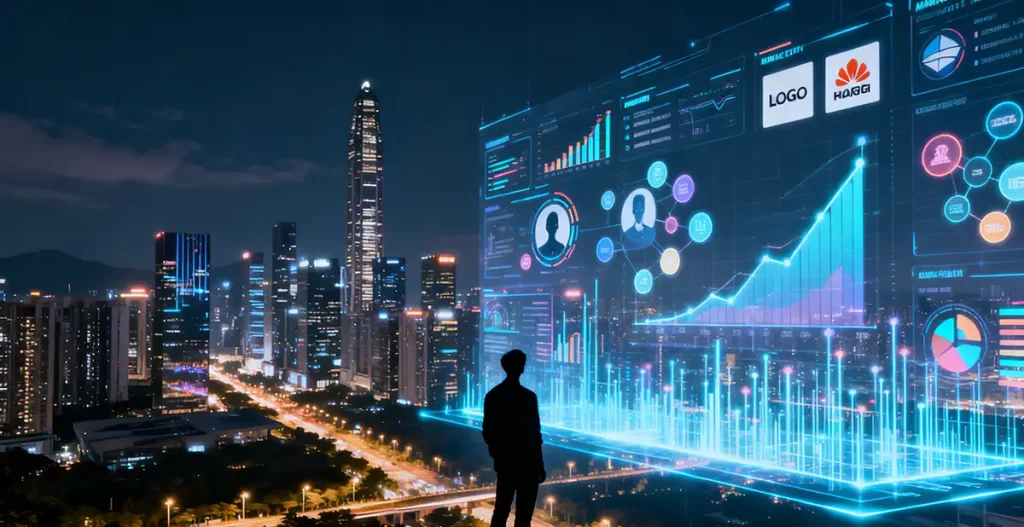
九号创新:当下的消费市场正在发生深刻的结构性变化,而这种变化正倒逼工业设计的市场进行价值重塑。从“满足功能”到“定义场景”,从“服务制造”到“驱动品牌”,设计的坐标系正在被重新绘制。这不再是美学层面的简单优化,而是涉及用户心理、市场细分、技术融合与供应链再造的系统工程。
需求侧:从“拥有”到“认同”的用户价值迁移
用户对产品的评判标准已发生根本性转变。以个护健康品类为例,市场的核心矛盾不再是“有没有清洁功能”,而是“能否满足不同生活场景下的情绪价值”。某市场研究数据显示,超过67%的年轻消费者愿意为“设计感”和“体验独特性”支付30%以上的溢价。这意味着,工业设计需要率先回答:产品如何在第一时间建立情感连接?其视觉语言是否与目标用户的自画像吻合?
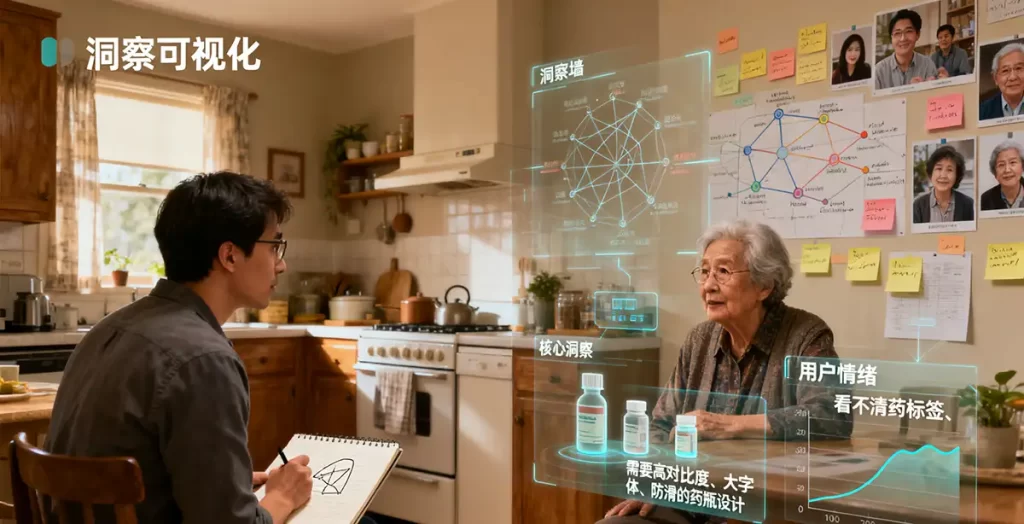
用户研究的方法论也随之迭代。领先的设计机构如九号创新,已将传统的用户画像升级为“场景-情绪-行为”三维模型。例如在设计一款高端吹风机时,团队不仅关注风温和噪音数据,更深入研究了用户睡前护理、匆忙晨间、沙龙体验等不同场景下的心理状态,最终通过材料触感、操作音效和收纳形态的综合设计,让产品成为特定生活方式的象征物。
供给侧:技术民主化时代的差异化破局
当核心技术模块日趋标准化,工业设计成为产品差异化的主战场。智能家居行业尤为典型:当各品牌都能采购相同的芯片、传感器和通信模块时,决定市场胜负的往往是产品的空间适配性、交互直观性和家族化设计语言。
行业领先的企业正在将设计前置到产品定义阶段。某扫地机器人品牌通过设计驱动的结构创新,将机身厚度压缩至8.5厘米,率先切入“低矮空间清洁”这个细分市场,开辟了新的增长曲线。这印证了一个趋势:优秀的工业设计不再只是美化已有方案,而是能够通过结构、CMF和交互的创新,重新定义产品形态与使用场景,从而创造新的市场需求。
产业链:设计作为协同创新的枢纽
在深圳这样的制造腹地,工业设计的角色正在从“方案输出方”转变为“资源整合者”。面对日渐复杂的创新需求——如环保材料的应用、微型化结构设计、人机工学优化——单一团队已难以掌握全部专业知识。
前沿设计团队正在构建“分布式专业网络”:与材料实验室共同开发定制化表面处理工艺,与高校研究机构合作人机交互模型,与供应链企业共创可量产的新型结构。九号创新在某医疗器械项目中,正是通过同步联动结构工程师、注塑专家和临床顾问,将原本需要三次迭代的防护设计一次性验证成功,缩短了40%的开发周期。这种深度协同模式,正在重新定义“设计-制造”的传统边界。
趋势前瞻:可持续性与智能化的双重主线
未来五年,工业设计将围绕两大主线展开深度创新:
在可持续设计维度,欧盟新规和消费者环保意识的提升,正推动“全生命周期设计”成为刚需。这要求设计师从材料选择、结构可拆解性、维修便利性到回收引导进行全面考量。某头部消费电子品牌已要求所有新产品必须实现“十分钟无工具拆解”,这直接倒逼设计团队重新思考每一个卡扣、螺丝和粘合剂的使用。
在智能化维度,设计重点正在从“物理交互”转向“无感服务”。如何让智能设备自然地融入环境,在恰当的时候提供恰到好处的服务,成为新的设计命题。这涉及多模态交互设计、环境感知能力与物理形态的高度融合,对设计师提出了跨学科的系统思维能力要求。
结语
在产业升级的关键节点,工业设计的价值衡量标准正在从“美学贡献度”转向“商业影响力”。它不仅是产品创新的起点,更是连接用户需求、技术可能与商业成功的核心枢纽。当设计能够深刻理解市场趋势的脉动,精准回应用户需求的变迁,并有效整合产业链的创新资源时,它便真正成为了驱动行业前行的核心生产力。
@NINEIDEA九号创新 www.nineidea.com
The Market Dimension of Industrial Design: Demand Transformation under the New Consumer Wave
NINEIDEA: The current consumer market is undergoing profound structural changes, which are forcing the market of industrial design to reshape its value. The coordinate system of design is being redrawn from “meeting functionality” to “defining scenarios”, from “service manufacturing” to “driving brands”. This is no longer a simple optimization at the aesthetic level, but a systematic engineering involving user psychology, market segmentation, technology integration, and supply chain reengineering.
Demand side: User value migration from “ownership” to “recognition”
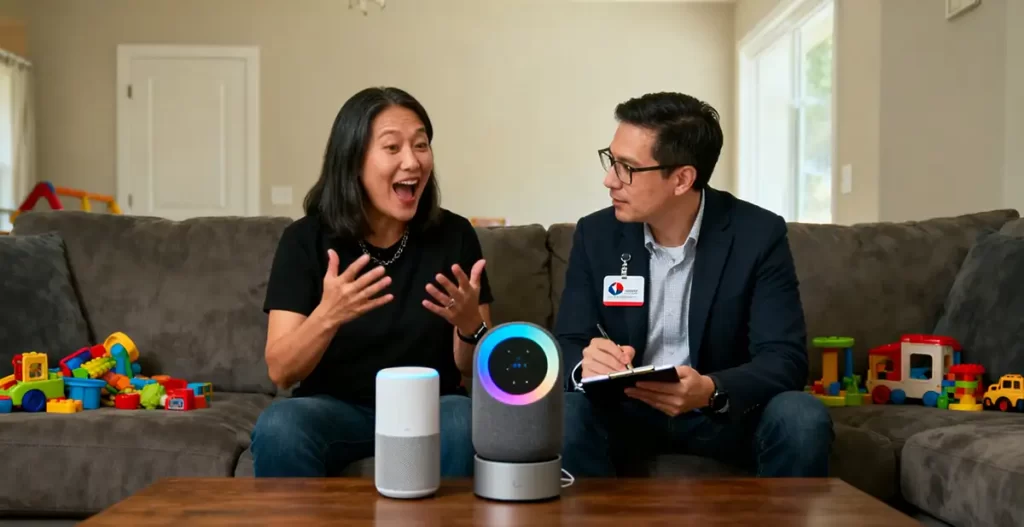
The evaluation criteria for products by users have undergone fundamental changes. Taking the personal health category as an example, the core contradiction in the market is no longer whether it has a cleaning function, but whether it can meet the emotional value in different living scenarios. According to market research data, over 67% of young consumers are willing to pay a premium of over 30% for “design sense” and “unique experience”. This means that industrial design needs to be the first to answer: how can products establish emotional connections in the first place? Does its visual language match the self portrait of the target user?
The methodology of user research has also iterated accordingly. Leading design institutions such as NINEIDEA have upgraded traditional user portraits to “scene emotion behavior” three-dimensional models. For example, when designing a high-end hair dryer, the team not only focused on wind temperature and noise data, but also conducted in-depth research on the psychological states of users in different scenarios such as bedtime care, hurried morning, salon experience, etc. Ultimately, through the comprehensive design of material touch, operational sound effects, and storage form, the product became a symbol of a specific lifestyle.
Supply side: Differentiation Breakthrough in the Era of Technological Democratization
As core technology modules become increasingly standardized, industrial design becomes the main battlefield for product differentiation. The smart home industry is particularly typical: when all brands can purchase the same chips, sensors, and communication modules, the market is often determined by the product’s spatial adaptability, interactive intuitiveness, and family design language.
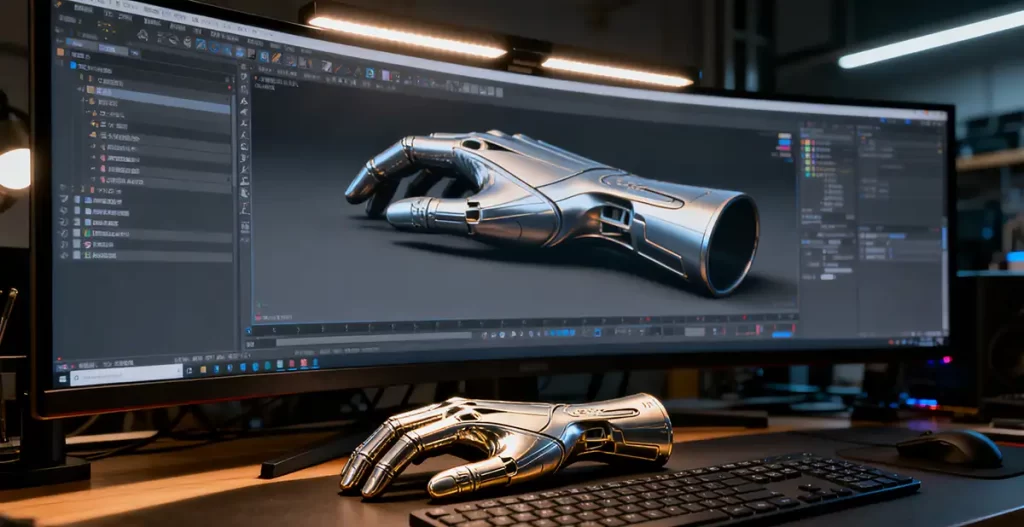
Industry leading companies are advancing design to the product definition stage. A certain sweeping robot brand, through design driven structural innovation, compressed the body thickness to 8.5 centimeters, taking the lead in entering the niche market of “low space cleaning” and opening up a new growth curve. This confirms a trend: excellent industrial design is no longer just about beautifying existing solutions, but can redefine product form and usage scenarios through innovation in structure, CMF, and interaction, thereby creating new market demands.
Industrial Chain: Design as a Hub for Collaborative Innovation
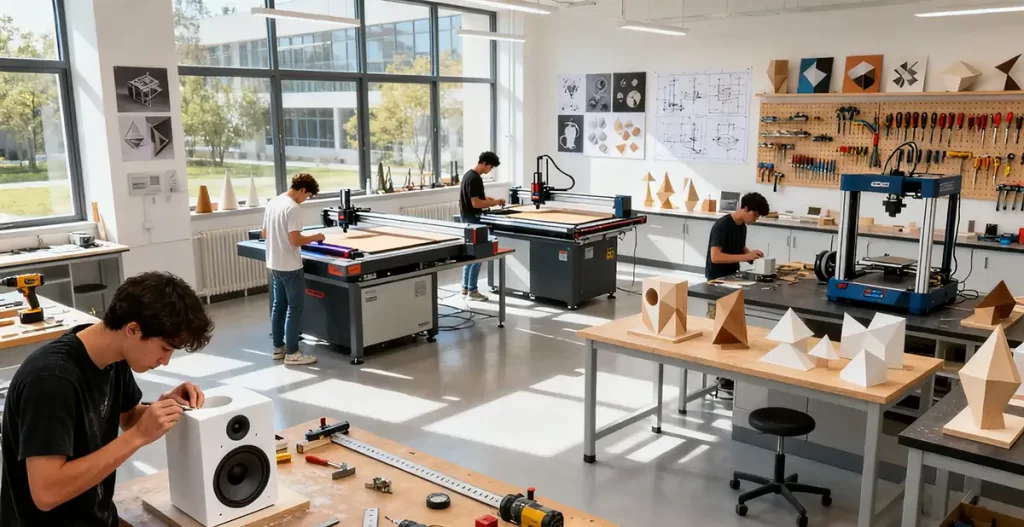
In manufacturing hubs like Shenzhen, the role of industrial design is shifting from being a “solution exporter” to a “resource integrator”. Faced with increasingly complex innovation demands such as the application of environmentally friendly materials, miniaturized structural design, and ergonomic optimization, it is difficult for a single team to master all professional knowledge.
The cutting-edge design team is building a “distributed professional network”: jointly developing customized surface treatment processes with material laboratories, collaborating with university research institutions on human-computer interaction models, and co creating new structures that can be mass-produced with supply chain enterprises. In a medical device project, NINEIDEA successfully verified the protection design that originally required three iterations at one time by synchronously linking structural engineers, injection molding experts and clinical consultants, reducing the development cycle by 40%. This deep collaboration model is redefining the traditional boundaries of “design manufacturing”.
Trend Outlook: Dual Main Lines of Sustainability and Intelligence
In the next five years, industrial design will undergo deep innovation around two main themes:
In the dimension of sustainable design, the EU’s new regulations and the increasing environmental awareness of consumers are driving the need for “full lifecycle design”. This requires designers to comprehensively consider material selection, structural disassembly, maintenance convenience, and recycling guidance. A leading consumer electronics brand has mandated that all new products must achieve “ten minute tool free disassembly”, which directly forces the design team to rethink the use of every buckle, screw, and adhesive.
In the dimension of intelligence, the focus of design is shifting from “physical interaction” to “sensory free services”. How to make smart devices naturally integrate into the environment and provide just the right service at the right time has become a new design proposition. This involves a high degree of integration between multimodal interaction design, environmental perception ability, and physical form, which puts forward interdisciplinary system thinking requirements for designers.
Conclusion
At the critical juncture of industrial upgrading, the value measurement standard of industrial design is shifting from “aesthetic contribution” to “commercial influence”. It is not only the starting point of product innovation, but also the core hub that connects user needs, technological possibilities, and business success. When design can deeply understand the pulse of market trends, accurately respond to changes in user needs, and effectively integrate innovative resources in the industry chain, it truly becomes the core productivity driving the industry forward.